The New Language of Keyless Entry: User Preferences, Privacy Protection, and the Combination Lock Advantage
What Unlocking Methods Do Users Prefer When Choosing a Keyless Door Lock?
The landscape of keyless entry options
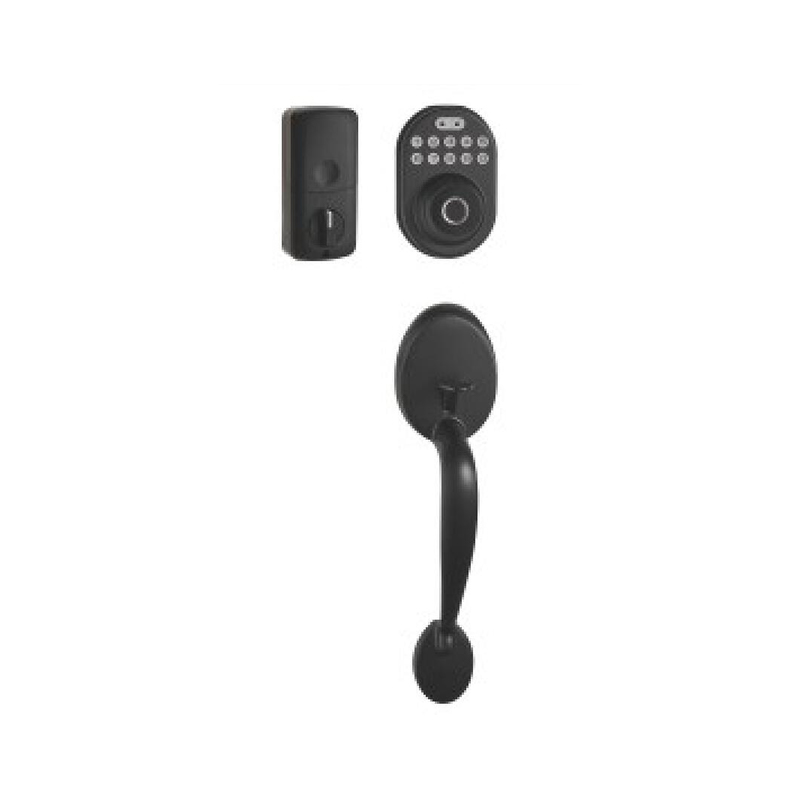
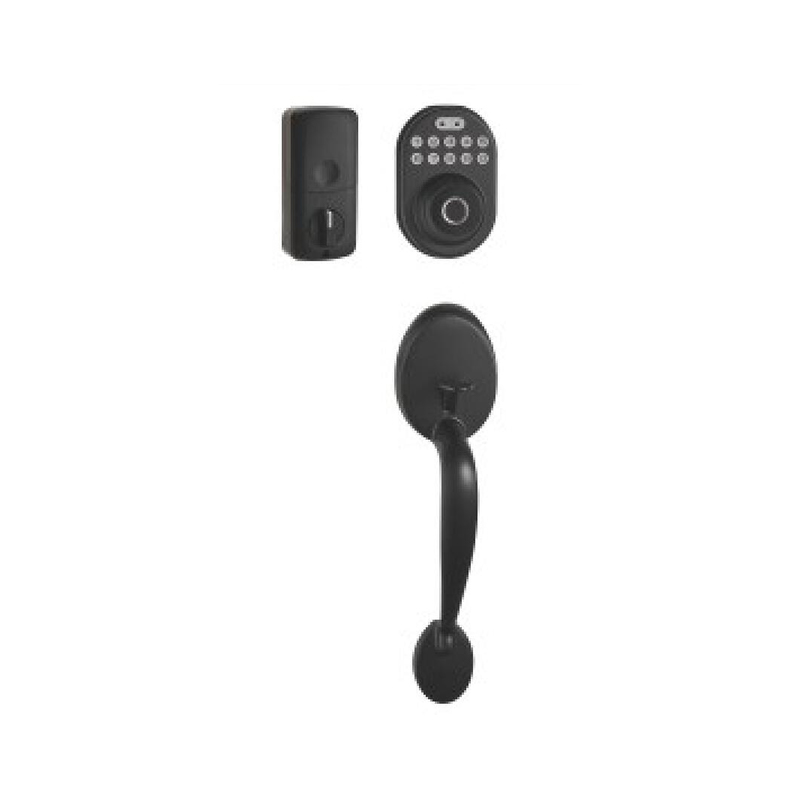
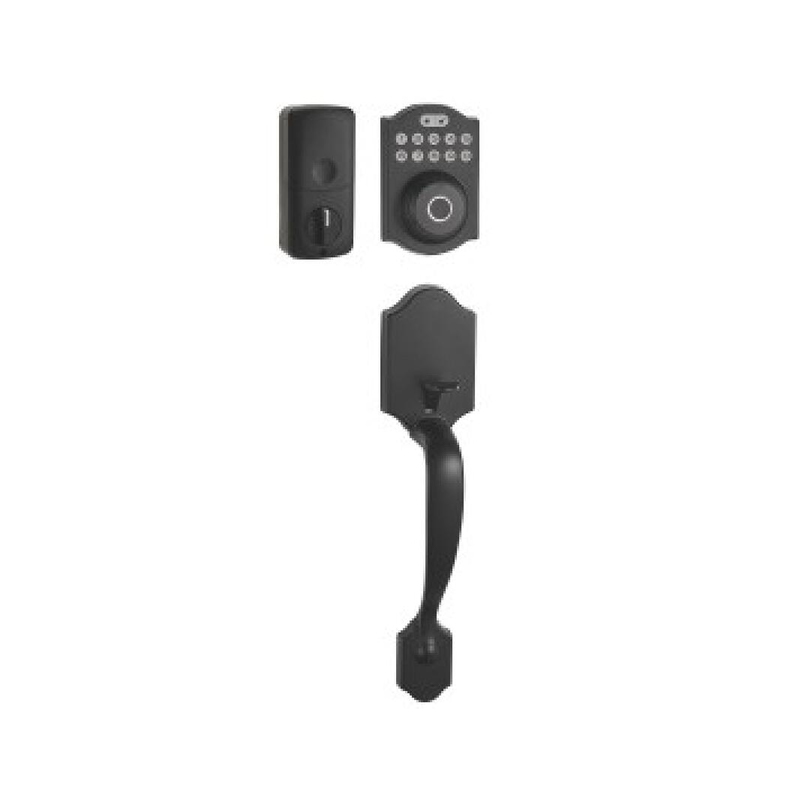
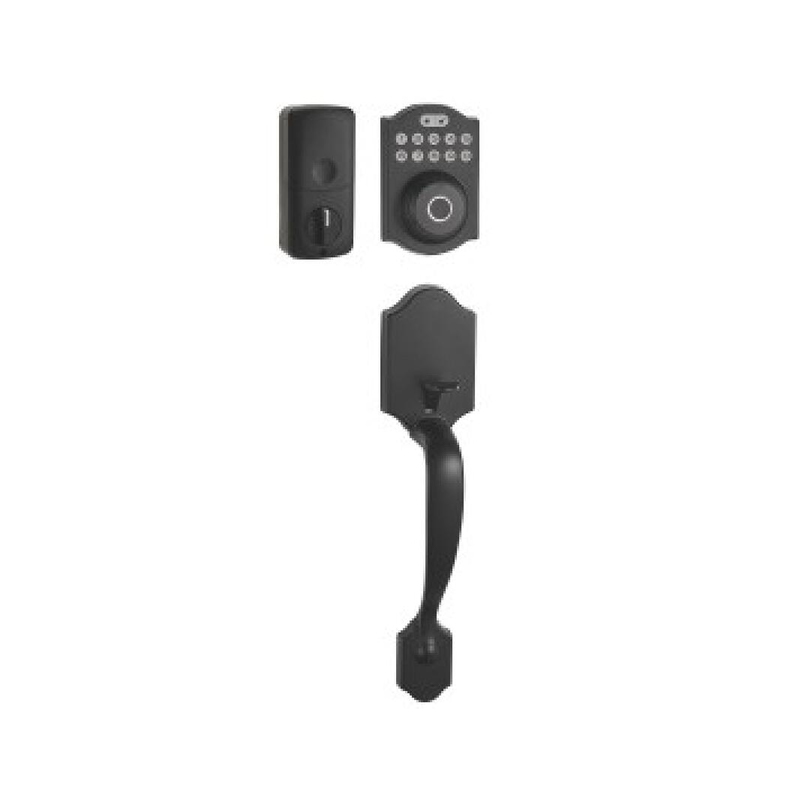
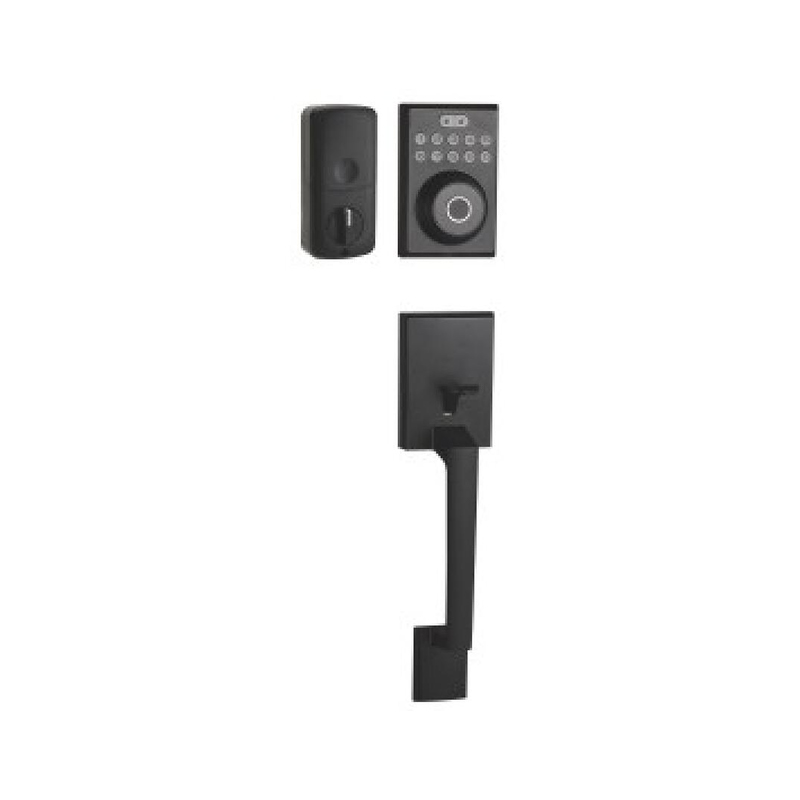
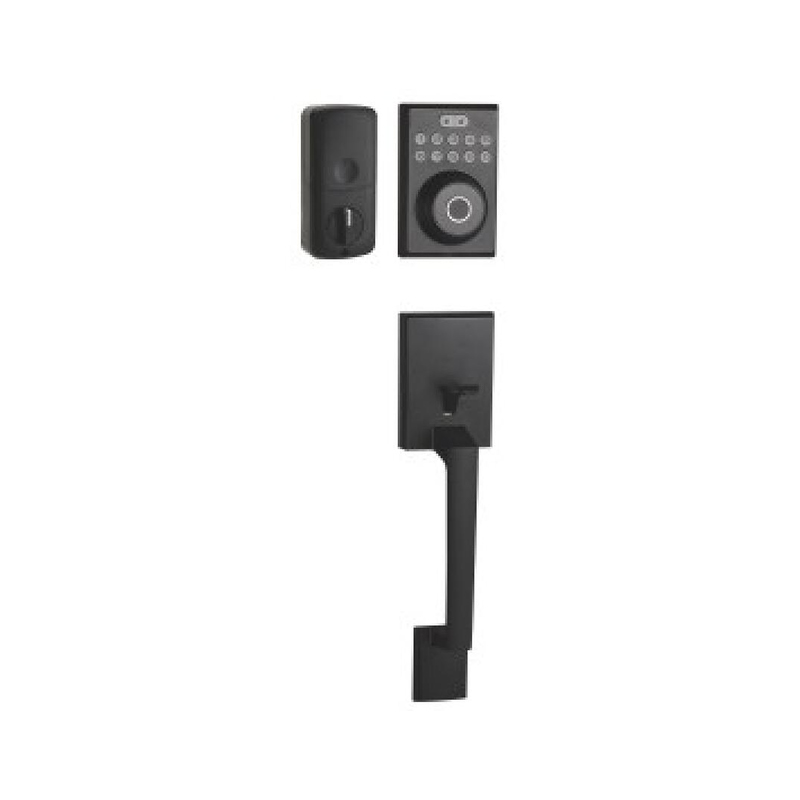
Keyless door locks have transformed home access by eliminating the need for physical keys. Instead of fumbling for a key, users unlock doors through keypads, fingerprint readers, smartphone apps, or card-based systems. The variety is extensive, but user preferences consistently cluster around specific methods.
The popularity of keypad entry
Among all keyless options, numeric keypads remain the most widely adopted. Users appreciate the simplicity of entering a code — no app to open, no battery concerns for the phone, and no reliance on Bluetooth connectivity. The ability to create temporary codes for guests, housekeepers, or dog walkers adds convenience. The downside is that codes can be forgotten, and shoulder surfing remains a theoretical risk. For many, however, the familiarity of a PIN-style entry system makes it less intimidating than biometric or app-based alternatives.
The rise of biometric access
Fingerprint and facial recognition are gaining momentum as users seek the ultimate convenience of touch-based entry. Biometric systems appeal to consumers who prioritize both speed and security. There is no code to memorize and no chance of losing a key or a phone. However, fingerprint readers can be less reliable in cold weather or for users with worn fingerprints. Cost also remains a barrier for many.
Smartphone-based entry
Mobile apps that use Bluetooth or Wi-Fi to unlock doors are popular among tech-savvy users who appreciate features like remote locking, activity logs, and integration with smart home systems. The appeal is the ability to control access from anywhere, making it easier to let in service providers or deliveries. App-based systems also offer detailed audit trails, which can be valuable for monitoring access. The downside is that smartphone battery life and connectivity issues can create occasional lockouts.
Card and fob systems
Card-based and fob-based entry systems are most common in commercial settings but are also used in some residential applications, such as apartment buildings. They offer simplicity and durability, but the disadvantage is the need to carry yet another item. The trend leans toward eliminating physical objects, making card and fob systems less appealing for tech-forward consumers.
Scenario how unlocking preferences vary by user type
- Keypad systems are most preferred by families with children and older adults, offering familiarity and no need for smartphones or extra devices
- Biometric systems are most preferred by tech enthusiasts and homeowners seeking maximum convenience, but cost limits mainstream adoption
- Smartphone-based systems are most preferred by remote workers, frequent travelers, and smart home enthusiasts, with detailed activity tracking and remote control
- Card and fob systems are most preferred by commercial users and apartment residents, offering simplicity but requiring physical objects to be carried
Can a Smart Door Lock with Passward Feature Really Prevent "Shoulder Surfing" (Unauthorized Viewing of the Code)?
The shoulder surfing threat
Shoulder surfing is the practice of observing someone entering a passcode by watching their hand movements and key presses. It has long been a vulnerability for keypad-based locks, as a discreet observer can memorize the sequence and later gain unauthorized access. The question of whether a smart door lock with a passcode feature can truly prevent shoulder surfing depends on the design of the keypad interface and the lock's built-in countermeasures.
Anti-shoulder surfing features in smart locks
The most direct countermeasure is randomized keypad scrambling. Some smart locks display the numbers in a different order each time the lock is activated, effectively preventing an observer from associating the user's finger movements with specific numbers. Without a static reference point, the observed hand movements are meaningless.
The second protective measure is the virtual keypad, which allows users to enter their code by drawing a pattern or tapping a sequence on a touchscreen. These patterns can be more difficult to observe than discrete key presses, especially when the screen visibility is restricted to the user.
The third protective measure is the use of privacy screens, which are built into the lock's display to limit visibility from side angles. This physical barrier makes it difficult for anyone standing to the side or behind to view the keypad.
Limitations of passcode locks
While these features significantly increase the difficulty of shoulder surfing, they are not foolproof. A determined observer with a high-quality camera or a direct overhead angle can still capture the code entry. Additionally, some users inadvertently enter their codes slowly or multiple times, increasing the likelihood of observation. The lock's software must also be regularly updated to prevent security vulnerabilities.
Scenario how shoulder surfing protections compare across lock types
- Random keypad scrambling: changes number layout each use, renders observed hand movements meaningless, effective against casual observers but less effective against camera-based observation
- Virtual pattern-based input: users draw patterns, harder to observe than discrete key presses, requires user adaptation to pattern-based interface
- Privacy screen technology: limits viewing angle to direct line, blocks observation from side or behind, effective but can be defeated by direct overhead positions
- Standard keypad without scrambling: static number layout, easily observed, provides no shoulder surfing protection, not recommended for high-security applications
- Bluetooth- or smartphone-based entry: no visible keypad, no passcode entry to observe, not subject to shoulder surfing at all
What Are the Advantages of Combination Locks over Traditional Mechanical Locks?
The comparison between combination and mechanical locks
Combination locks have been a staple of security for decades, particularly in applications such as padlocks and safe locks. A combination lock requires the user to dial a sequence of numbers to unlock the mechanism. Traditional mechanical locks rely on a physical key.
Convenience and access control
The most obvious advantage of combination locks is that they do not require a physical key. The user never needs to worry about losing the key or carrying it. This makes combination locks well-suited for shared access situations, such as schools, gyms, and businesses, where multiple people require entry.
Security and pick resistance
Combination locks are generally more resistant to picking than pin tumbler locks. A standard mechanical lock can be picked with basic tools by a skilled individual, but combination locks have no keyway, making them much more difficult to manipulate. The primary method of defeating a combination lock is brute force — guessing the sequence — but modern locks with multiple wheels and long sequences significantly reduce the risk of guessing.
Durability and weather resistance
Combination locks are often constructed from solid materials that resist corrosion and wear. Many are specifically designed for outdoor use, with rubberized bodies and sealed mechanisms that prevent moisture damage. Traditional mechanical locks, especially those with unprotected keyways, are more susceptible to weather-related issues.
Cost and maintenance
Combination locks are generally less expensive than high-end mechanical locks and require less maintenance. They do not need regular lubrication, and there are no keys to duplicate or replace.
Scenario combination locks versus traditional mechanical locks
- Combination locks: no key required, pick-resistant, durable for outdoor use, low-maintenance, easy to share access, suitable for gyms and schools
- Traditional keyed locks: key required, vulnerable to picking, can rust in outdoor use, requires lubrication and key duplication, suitable for single-user access
- Combination locks with multiple wheels: long sequence security, high resistance to guessing, moderate cost
- Mechanical locks with high-security cylinders: key-controlled access, maximum pick resistance, high cost, requires professional installation
Table: combination locks versus traditional mechanical locks
|
Feature
|
Combination Lock
|
Traditional Mechanical Lock
|
Why Combination Locks Offer Advantages
|
|
Key requirement
|
None (combination only)
|
Physical key required
|
Eliminates key loss and duplication
|
|
Pick resistance
|
High (no keyway)
|
Moderate to high (depends on cylinder)
|
No keyway to manipulate
|
|
Shared access
|
Easy (share combination)
|
Difficult (key duplication)
|
Multiple users without multiple keys
|
|
Weather resistance
|
Good (sealed design)
|
Moderate (keyway vulnerable)
|
Sealed design prevents moisture ingress
|
|
Maintenance
|
Low (no lubrication)
|
Moderate (regular lubrication)
|
Simple, low-maintenance design
|
|
Cost
|
Low to moderate
|
Varies
|
Cost-effective for high-volume use
|
|
Forgiveness
|
Code must be remembered
|
Key can be stored
|
Memory is a common vulnerability
|
|
Time to open
|
2-5 seconds
|
1-2 seconds
|
Slightly slower, but minor difference
|
FAQ
Q1: Which keyless entry method is the most secure?
Biometric systems offer the highest security by linking access directly to a unique physical characteristic. However, all keyless systems are vulnerable to specific attacks. Keypads are vulnerable to shoulder surfing, biometrics to spoofing, and app-based locks to software vulnerabilities. No system is impervious, but biometrics generally offer the best balance of convenience and security.
Q2: Can combination locks be reset if the combination is forgotten?
Yes, most combination locks have a reset mechanism that requires the current combination to reset the code. If the combination is forgotten, some locks have a factory reset feature, but this typically requires specialized tools or returns to the manufacturer. It is highly recommended to store the combination securely offline.
Q3: How do random keypad scrambling locks prevent shoulder surfing?
Random keypad scrambling locks display the numbers in a different order each time the lock is activated. Since the observer cannot see the numbers on the screen, they cannot determine which numbers were pressed, rendering the observed hand movements meaningless.
Q4: Are combination locks more durable than mechanical locks in outdoor environments?
Yes, combination locks are typically constructed with sealed bodies that prevent moisture from entering the mechanism. Traditional mechanical locks with exposed keyways are more vulnerable to corrosion and freezing, which can prevent operation.
Q5: What should users do if a keyless lock's battery dies?
Most keyless locks have a backup power option: either a 9V battery terminal on the exterior that can provide temporary power, a physical key override, or both. Users should always familiarize themselves with the backup option before installing the lock. Regular battery changes and testing are recommended.

 English
 русский
 中文简体
中文简体 Español
 عربى
عربى