Villa Handlesets and Mortise Locks: Durability, Installation, and Product Features
The durability demands of villa handlesets
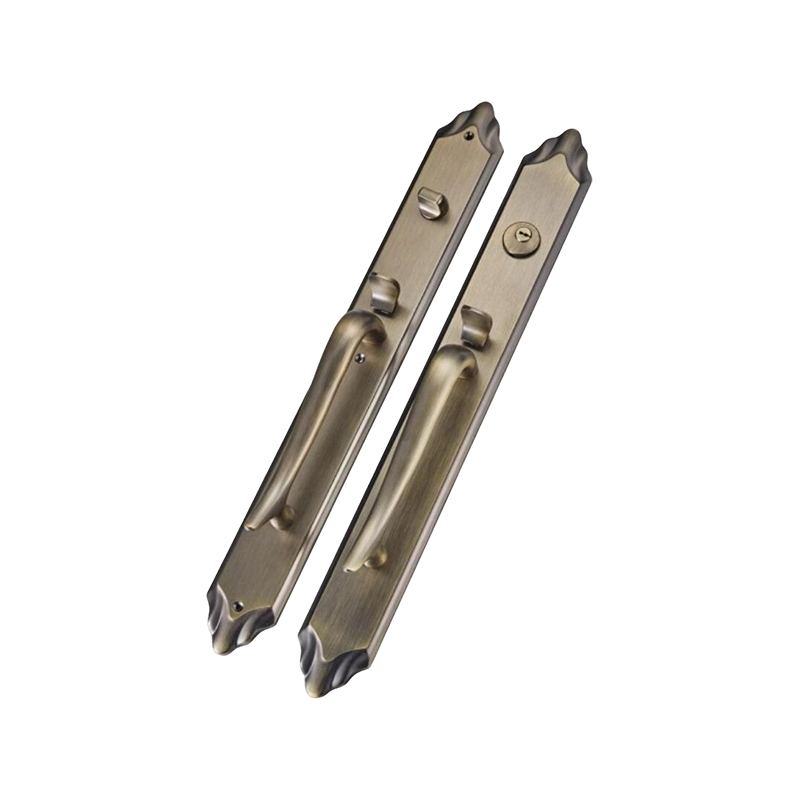
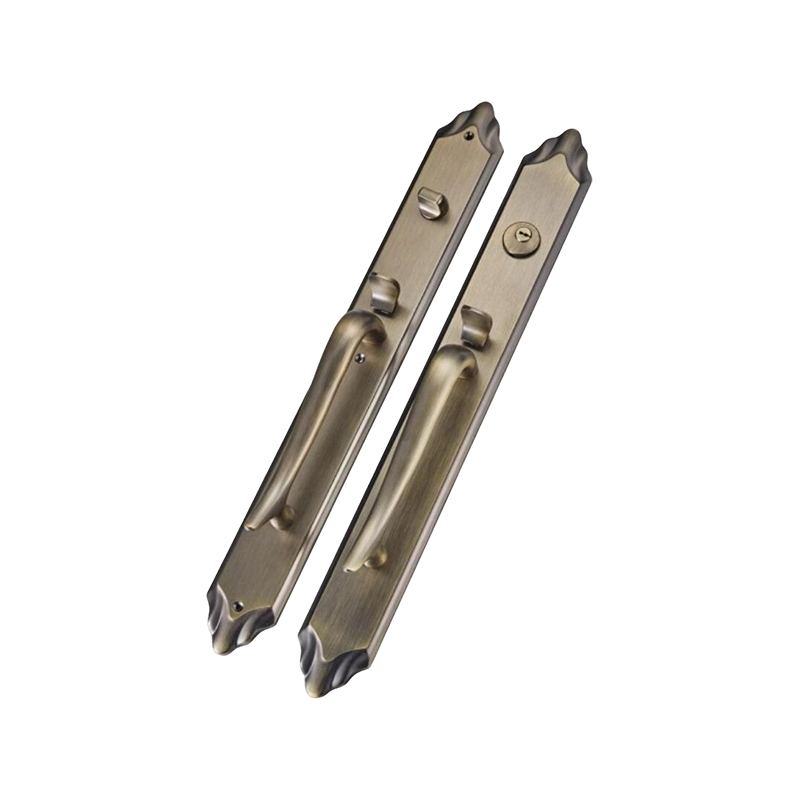
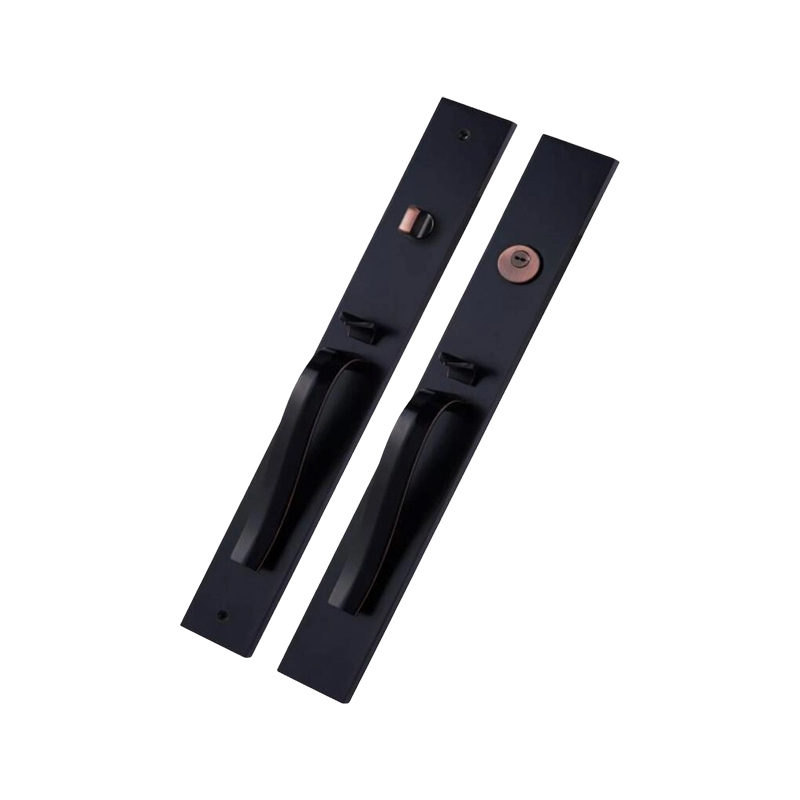
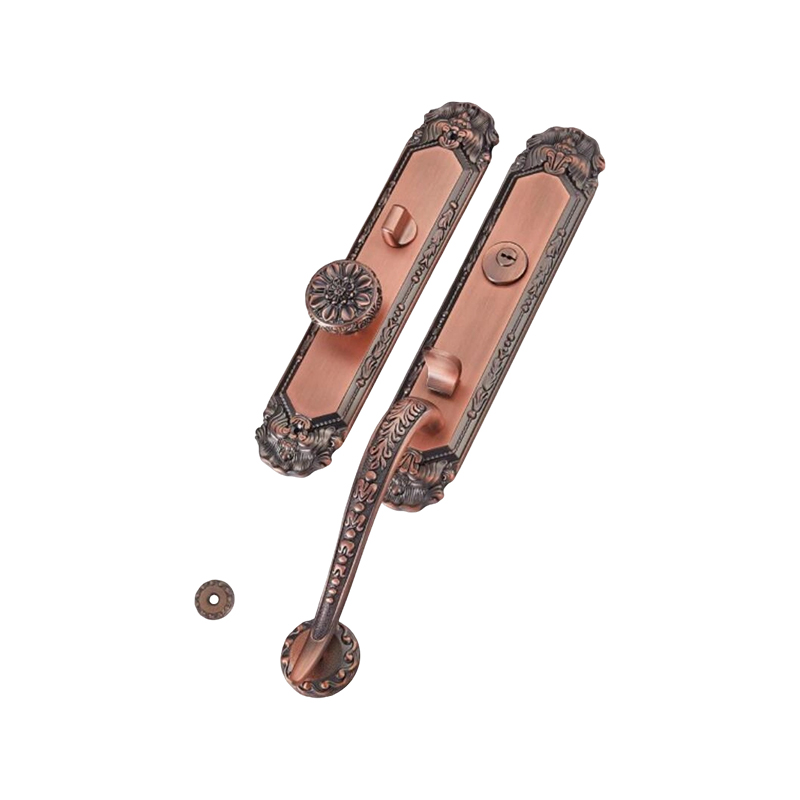
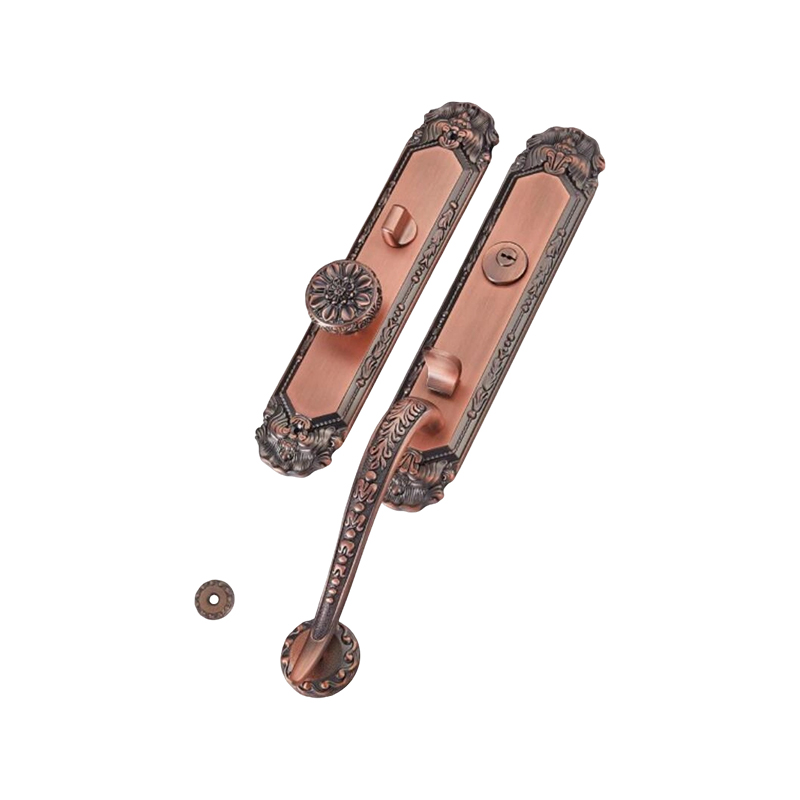
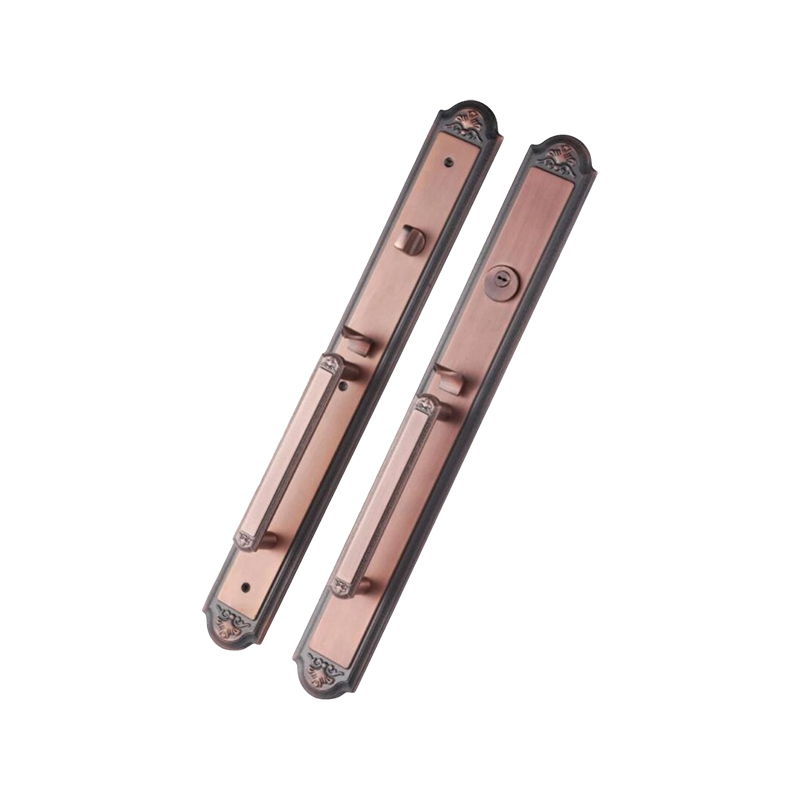
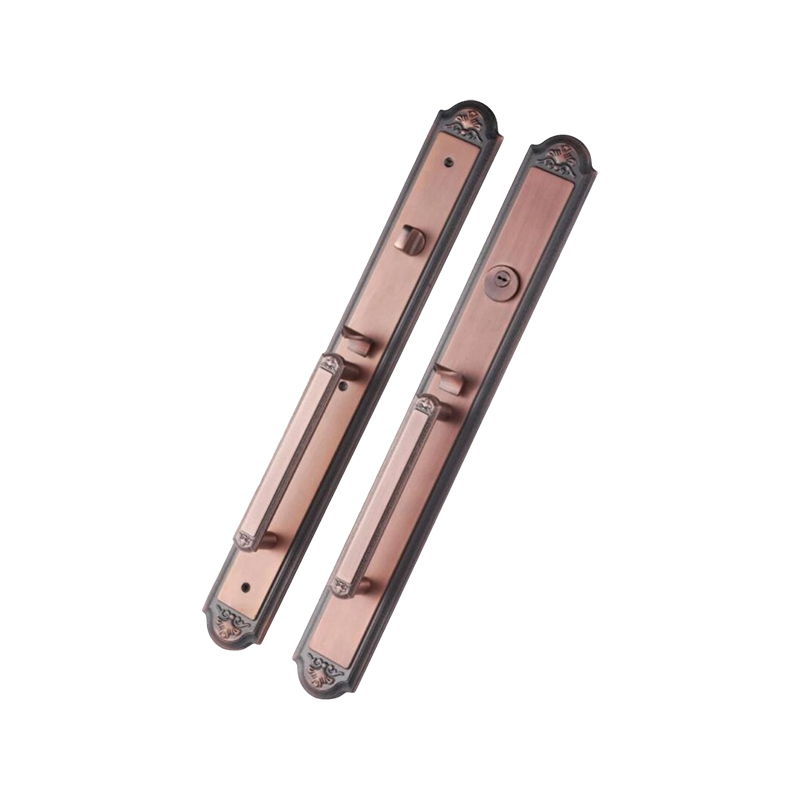
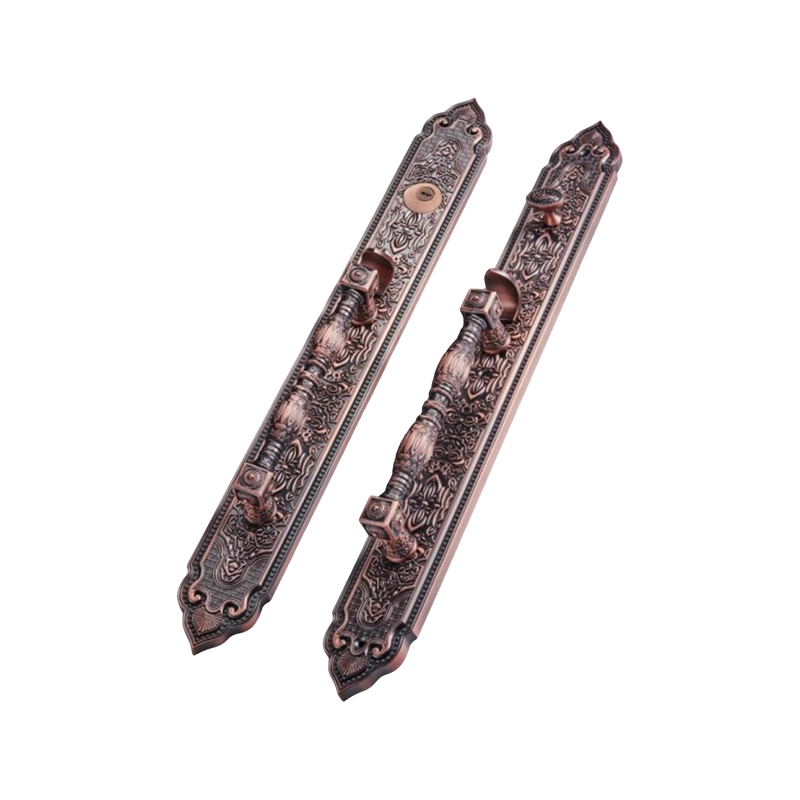
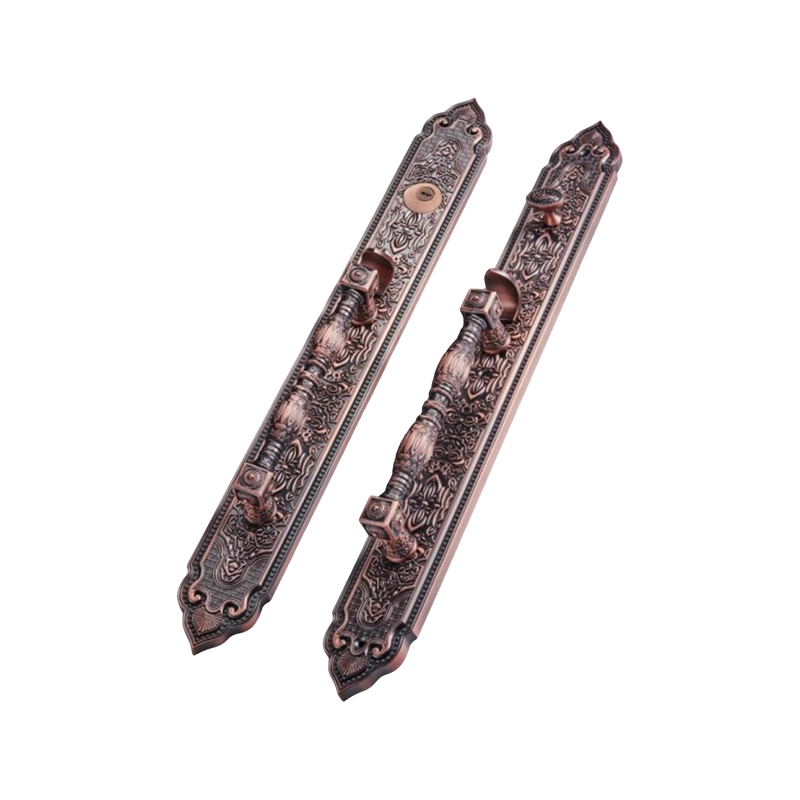
Villa handleset door locks are installed on the main entry doors of villas and luxury homes. These doors are typically larger, heavier, and subjected to more frequent use than standard residential doors. The durability challenges villa handleset door locks face stem from these demanding conditions, as the locks must withstand repeated operation, exposure to the elements, and occasional forced entry attempts.
Environmental challenges
Villa entry doors are often exposed to harsh weather conditions—rain, humidity, salt air in coastal regions, and temperature extremes from summer heat to winter cold. These conditions affect the lock's internal mechanisms and finish. Corrosion is a primary concern, as moisture penetrates the lock body and causes the internal springs and pins to rust. Rust leads to sticking, failure to operate, or lockout situations. The finish is also vulnerable to UV exposure, which can cause fading or degradation.
Mechanical and structural challenges
The larger size and weight of villa doors place greater stress on the handleset. The handle must withstand the force of a heavier door being opened and closed repeatedly. The deadbolt must extend and retract smoothly under increased load. The internal mechanism must resist wear from frequent use. The handleset must also resist prying and forced entry attempts, which are more common on high-value properties.
Maintenance challenges
Villa handlesets require regular maintenance to maintain smooth operation and appearance. The internal mechanism must be lubricated annually; otherwise, friction increases and parts wear prematurely. The finish must be cleaned and protected from harsh cleaners that can strip protective coatings. Without maintenance, a villa handleset will fail prematurely.
villa handleset challenges versus standard handleset challenges
- Villa handlesets: exposure to harsh conditions, heavier doors, more frequent use, higher security expectations, requires regular maintenance
- Standard handlesets: protected from elements, lighter doors, less frequent use, standard security, lower maintenance requirements
- Coastal villa handlesets: additional salt corrosion risk, requires marine-grade materials like 316 stainless steel, more frequent cleaning needed
- High-traffic villa handlesets: commercial-grade mechanisms recommended, higher cycle life testing required (1M+ cycles), more robust internal components
The complexity of mortise lock installation
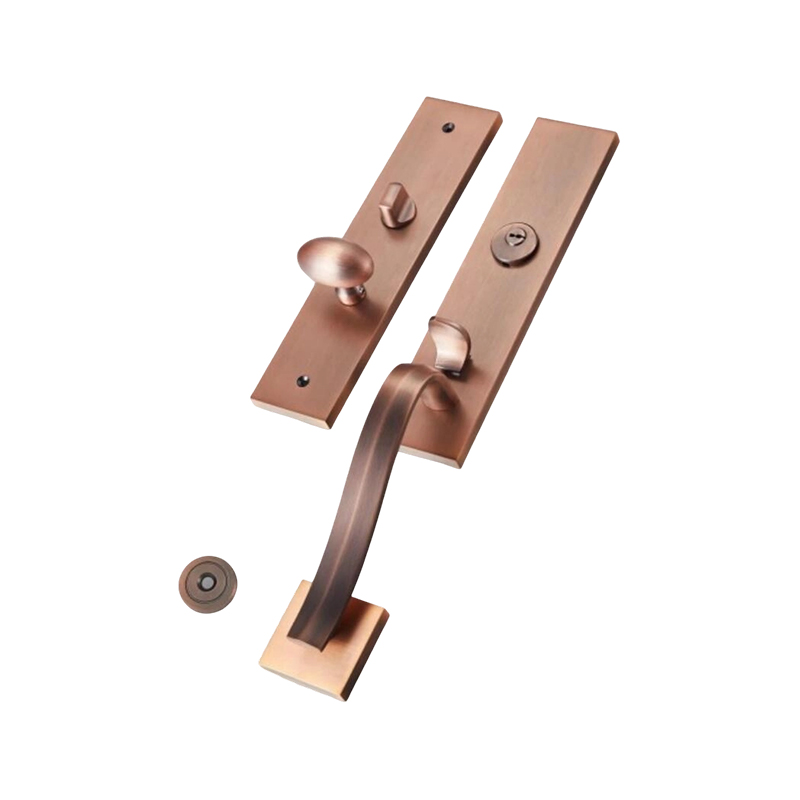
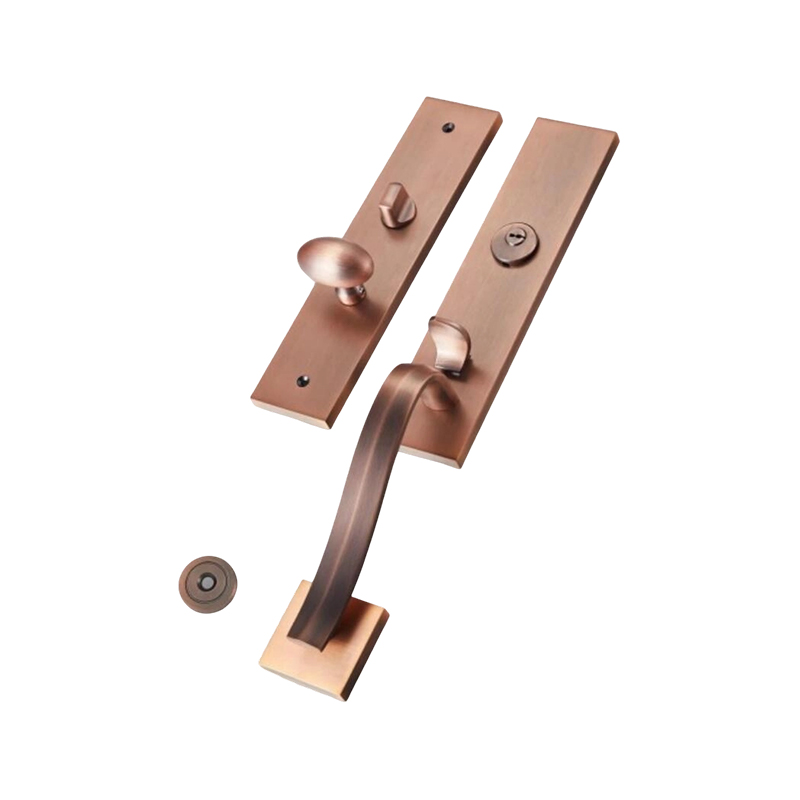
A security mortise door lock with latch and deadbolt is a sophisticated locking system that combines both functions in a single unit. What should be considered when installing a security mortise door lock with latch and deadbolt involves the door preparation, alignment, and cylinder compatibility.
Door preparation requirements
The door must be prepared for the mortise lock pocket—a cavity cut into the door edge that houses the lock body. This pocket must be precisely sized to fit the lock body, with sufficient clearance for smooth operation. The faceplate must be flush with the door edge. The pocket depth must match the lock body depth. The strike plates must be aligned with the latch and deadbolt for proper engagement.
Alignment and adjustment
The lock body must be aligned with the door and frame for smooth operation. The latch and deadbolt must align perfectly with their respective strike plates. Misalignment causes sticking or failure to engage, compromising security. Adjustments to the strike plate position or lock body position may be necessary. The cylinder must be aligned with the lock body for smooth key operation.
Hardware compatibility
The cylinder must match the lock body design and length. The cam shape and position must match the lock body requirements. The cylinder screw length must match the door thickness. The handles must be compatible with the lock body design.
mortise lock installation considerations
- Pocket precision: requires exact dimensions for lock body fit; any deviation causes binding or improper operation
- Faceplate flushness: faceplate must be level with door edge; protrusion prevents door from closing; recess causes gap
- Strike plate alignment: latch and deadbolt must align with strike plate openings; misalignment prevents proper locking
- Cylinder compatibility: cam type, length, and position must match lock body; mismatched cylinder prevents key operation
- Screw selection: screw length must match door thickness for secure installation; wrong length compromises security and stability
- Handing adjustment: lock must be set for correct door swing direction; incorrect handing causes latch orientation problems
The golden stainless steel roller latch mortise lock
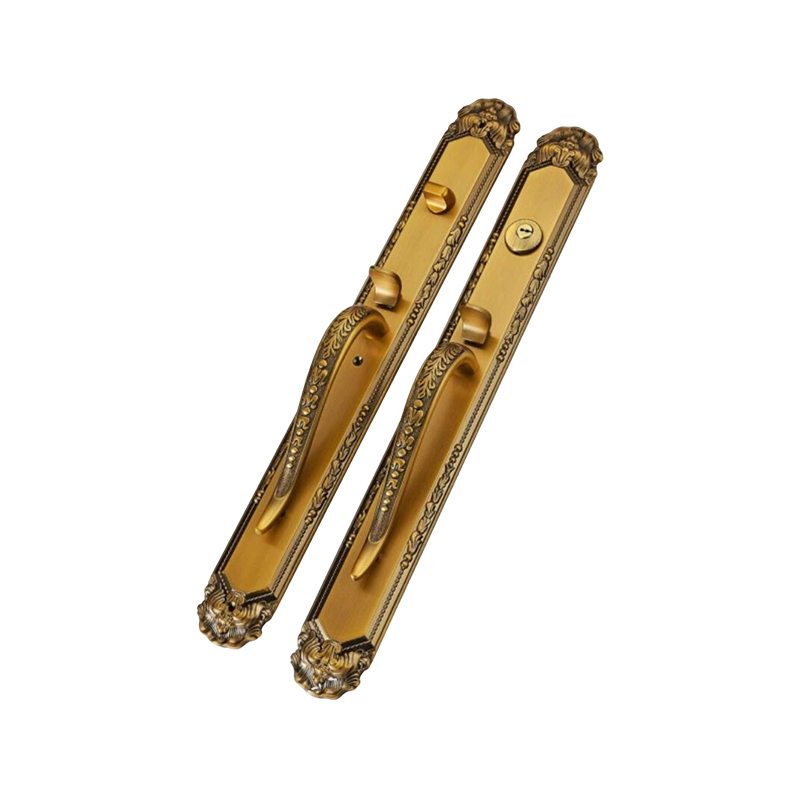
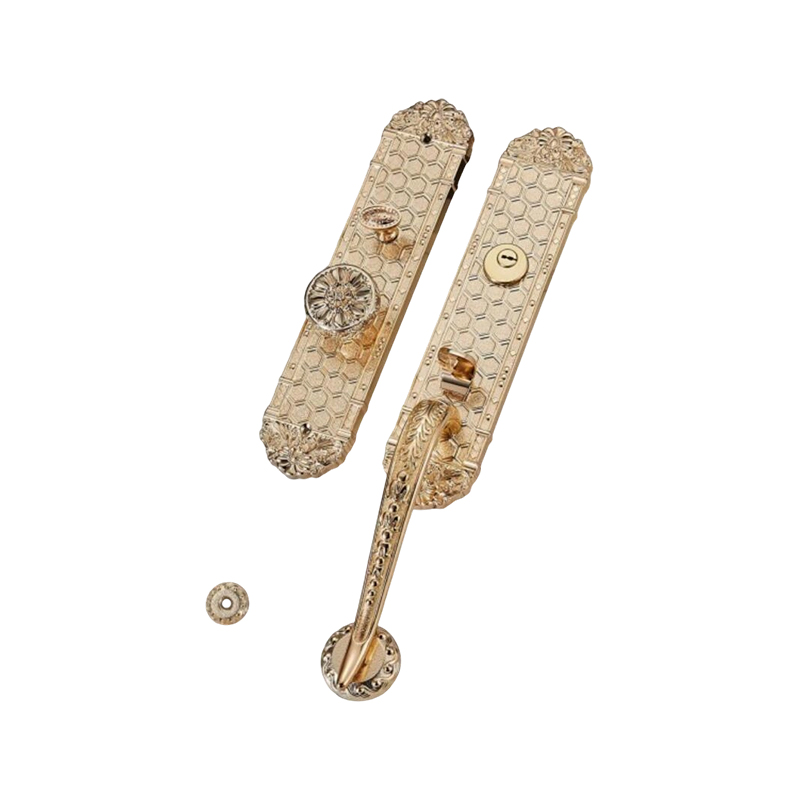
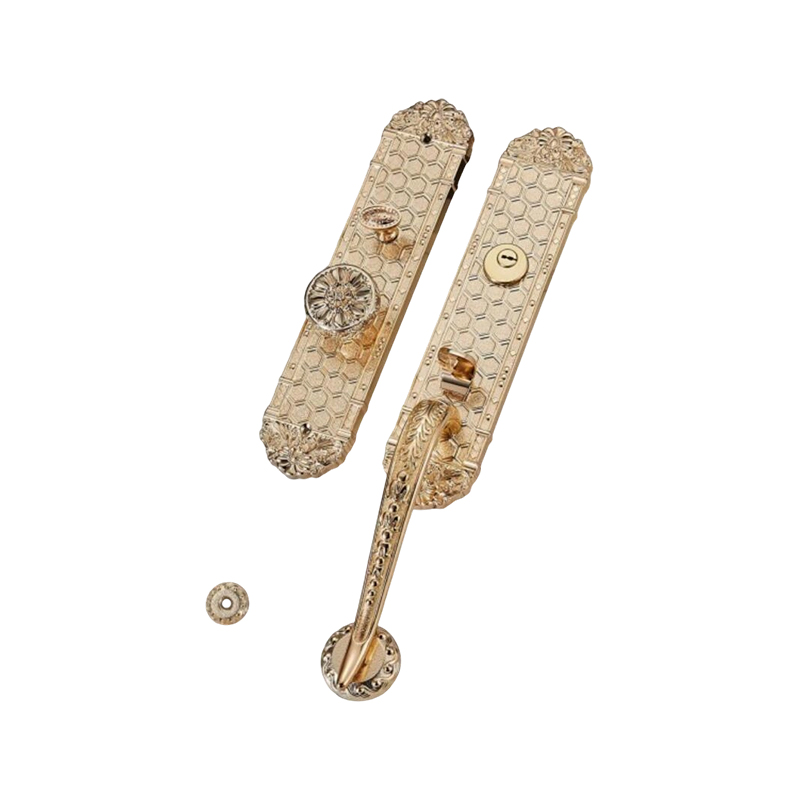
The golden stainless steel roller latch mortise lock is a premium locking system designed for high-end residential applications, combining the functionality of a mortise lock with the aesthetic appeal of a golden stainless steel finish. This lock is characterized by its robust construction, smooth operation, and premium appearance.
Key features
The stainless steel construction provides excellent corrosion resistance, ensuring longevity in all environments. The golden finish—typically achieved through PVD coating—offers a warm, luxurious appearance that complements modern and traditional architecture. The roller latch mechanism provides smooth, quiet operation, reducing wear on the latch and strike plate. The integrated deadbolt provides high security, with a hardened steel bolt that resists prying and sawing. The lock body is designed for heavy-duty use, with internal components engineered for high cycle life.
Performance features
The lock is designed to meet ANSI Grade 1 or 2 standards, providing high security and durability. The deadbolt has a minimum 1-inch throw. The latch is anti-friction for smooth operation. The cylinder is equipped with anti-pick and anti-drill features.
Table: golden stainless steel roller latch mortise lock specifications
|
Feature
|
Specification
|
Benefit
|
|
Material
|
304 stainless steel
|
Excellent corrosion resistance; long-term durability
|
|
Finish
|
Golden PVD coating
|
Premium appearance; scratch and tarnish resistance
|
|
Lock type
|
Mortise with latch and deadbolt
|
Combines convenience of latch with security of deadbolt
|
|
Latch mechanism
|
Roller latch
|
Smooth, quiet operation; reduced wear
|
|
Deadbolt throw
|
1 inch minimum (25mm)
|
Resists prying and forced entry
|
|
Security features
|
Anti-pick cylinder; anti-drill plate
|
Prevents lock picking and drilling attacks
|
|
Cycle life
|
1 million+ cycles (Grade 1)
|
Designed for decades of use
|
|
Strike plate
|
Reinforced; 3-inch screws
|
Resists kick-in attempts
|
|
Handing
|
Reversible (left or right)
|
Adapts to any door configuration
|
|
Application
|
High-end residential; luxury villas
|
Premium appearance; high security
|
golden stainless steel roller latch mortise lock versus other mortise locks
- Golden stainless steel roller latch: premium aesthetic, PVD-coated finish, roller latch mechanism, corrosion-resistant, Grade 1, highest cost
- Standard stainless steel mortise lock: satin or polished finish, standard latch mechanism, corrosion-resistant, Grade 1 or 2, moderate cost
- Brass mortise lock: traditional aesthetic, standard latch, good corrosion resistance, Grade 2, moderate cost
- Zinc alloy mortise lock: budget aesthetic, standard latch, moderate corrosion resistance, Grade 3, lowest cost
FAQ
Q1: How long do villa handleset locks typically last?
Villa handleset locks can last 20–30 years with proper maintenance. The lifespan depends on the material quality, frequency of use, exposure to weather, and maintenance practices. Regular lubrication and cleaning can extend the life of the lock. Solid brass and stainless steel handlesets last longer than zinc alloy alternatives.
Q2: Can a mortise lock be installed on any door?
Mortise locks can be installed on any door that can accommodate the required pocket—a cavity cut into the door edge. The door must be thick enough to accommodate the lock body. Standard residential doors are typically thick enough for mortise locks. The door must also have sufficient structural integrity for the lock installation.
Q3: What is the golden finish on the stainless steel lock?
The golden finish is typically a PVD (Physical Vapor Deposition) coating applied to the stainless steel. It provides a warm, gold-like appearance with excellent scratch and tarnish resistance. PVD coatings are highly durable and are the standard for premium finishes.
Q4: How does the roller latch mechanism improve performance?
The roller latch uses a small roller on the latch bolt, which rolls against the strike plate when the door closes, reducing friction and wear. This results in smoother, quieter operation and reduces the force required to close the door.
Q5: What security features are included in the mortise lock?
A security mortise lock typically includes an anti-pick cylinder, anti-drill plate, hardened steel deadbolt, reinforced strike plate with 3-inch screws, and a minimum 1-inch deadbolt throw. These features work together to resist forced entry attempts.

 English
 русский
 中文简体
中文简体 Español
 عربى
عربى