 English
 русский
 中文简体
 Español
 عربى
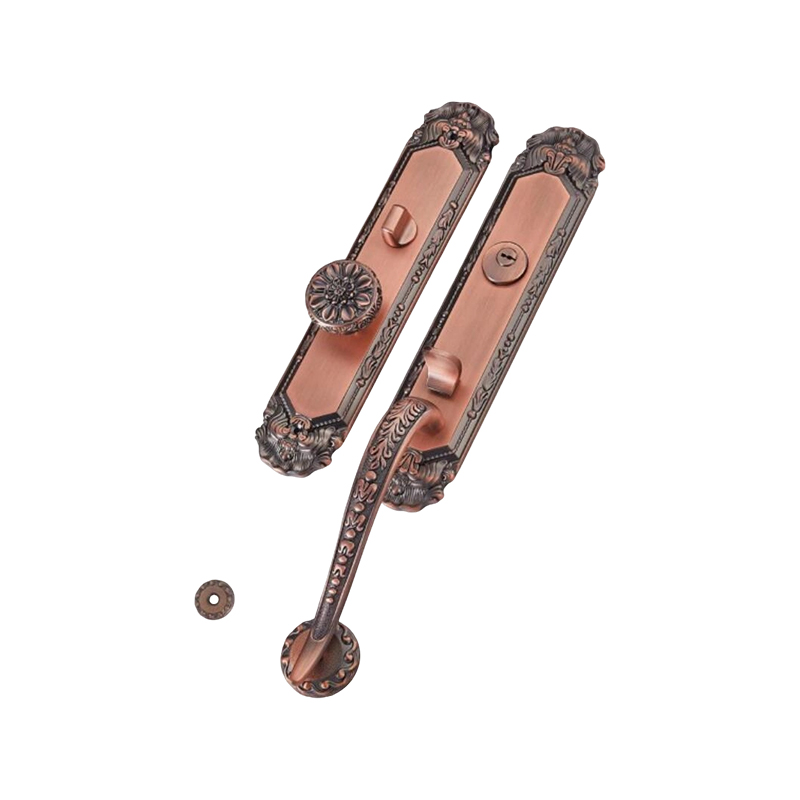
Entry Door Knob Lock: The Lock That Has to Work Every Single Day
An entry door is the most used door in the house. It opens for the groceries, the mail, the kids, the dog, the guests. The lock on it takes more cycles than any other lock in the building. An entry door knob lock has to turn smoothly every time, hold the door against the wind, and keep the wrong key out. It is not the deadbolt, but on many entry doors it is the first lock the hand reaches for.
The Cylinder Is the Security
The key goes into the cylinder. The cylinder holds the pins, the springs, and the plug. The key lifts the pins to the shear line and the plug turns. A five-pin or six-pin cylinder is the standard for the entry door. More pins mean more key combinations and better pick resistance.
The keyway matters on the entry door. A standard keyway accepts the standard blanks that anyone can copy. A restricted keyway requires a special blank that only the locksmith or the property manager can cut. For a rental or an office, the restricted keyway keeps the key control in the owner's hands.
The Latch Has to Hold Against the Wind
The latch is the spring-loaded bolt that holds the door closed. It slides into the strike plate on the frame. When the knob turns, the latch retracts. When the knob releases, the spring pushes the latch back out. A weak spring leaves the latch hanging and the door swings open in the wind.
The deadlocking plunger behind the latch is the small pin that presses against the strike and locks the latch in place when the door is closed. It stops the credit card slip. The entry door knob lock with the deadlocking plunger is the one that resists the simple bypass.
The Strike Plate Is Part of the Lock
The strike plate is the metal plate on the frame. The latch slides into it. A strike plate held by short screws pulls out of the frame under a kick. A strike plate with long screws that reach the wall stud holds. The buyer who replaces the lock and reuses the old strike plate with the short screws leaves the weakest part of the system in place.
Here is what an entry door knob lock has to deliver:
- Five-pin or six-pin cylinder with hardened pins
- Deadlocking plunger behind the latch
- Strike plate with long screws
- Solid knob with a quality finish
- Turn button with the emergency release
- All-metal internal components
Where the Entry Lock Goes
The front door of the house uses the knob lock alongside the deadbolt. The knob is the daily use. The deadbolt is the security. The rental property uses the restricted keyway so the landlord controls the copies. The office uses the keyed entry to separate the public area from the private.
The Key That Sticks After a Year
The key sticks because the pins wore flat or the plug is dry. A quality cylinder and a graphite lubricant keep the key turning. The latch hangs because the spring broke. An all-metal spring holds. The knob wobbles because the set screw backed out. The strike plate pulls out because the screws were short. Each one is a small decision that shows up in daily use.
An entry door knob lock is the lock that works every day. The cylinder holds the key. The latch holds the door. Choose a lock with a solid cylinder and a deadlocking latch, and use the long screws on the strike plate.

Copyright © 2026 by Wenzhou Boluosi Hardware Co., Ltd. Rights Reserved.
