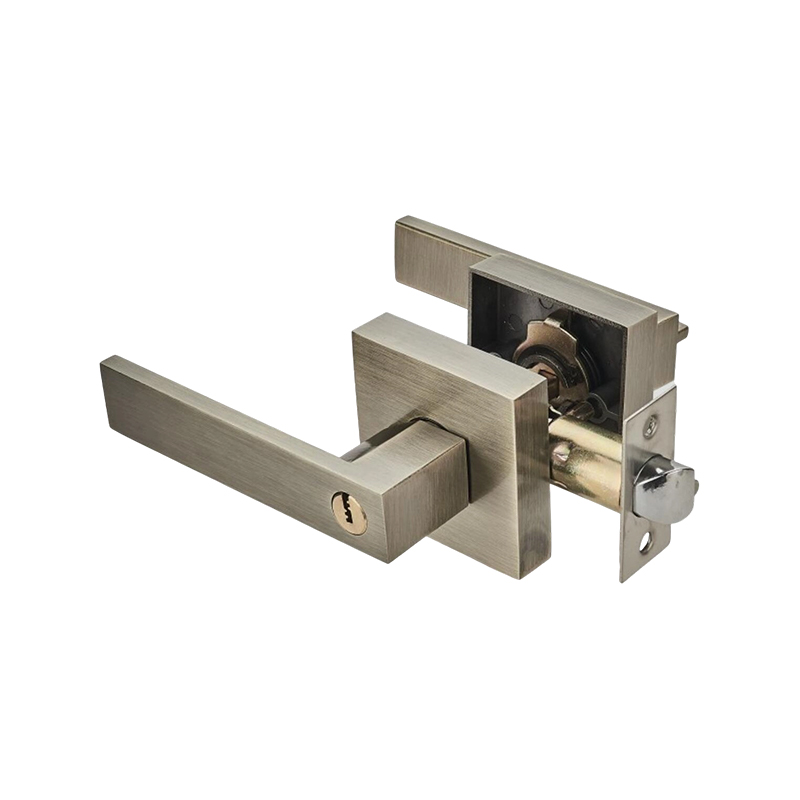
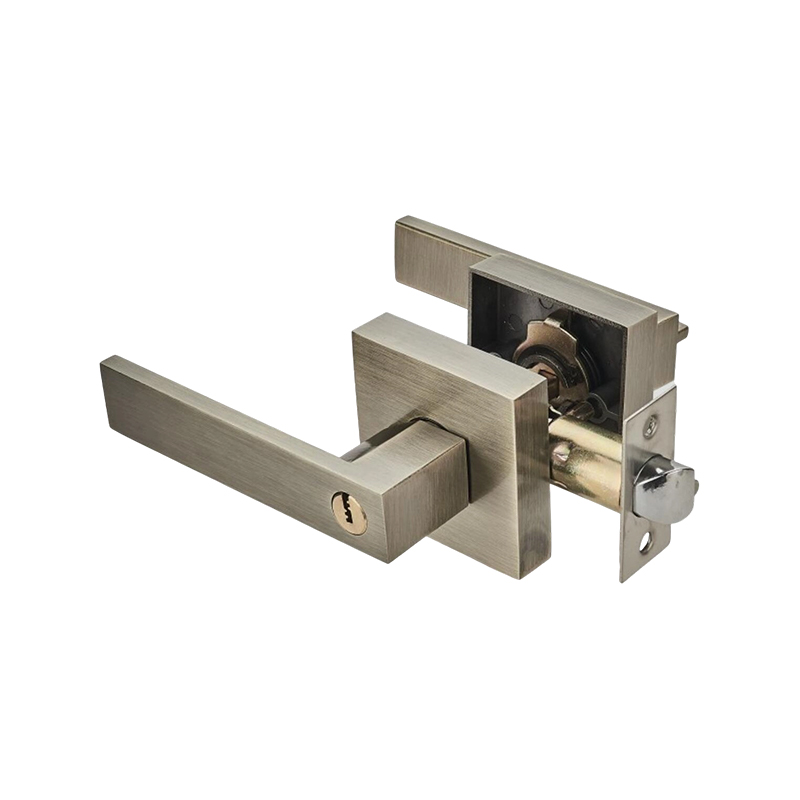
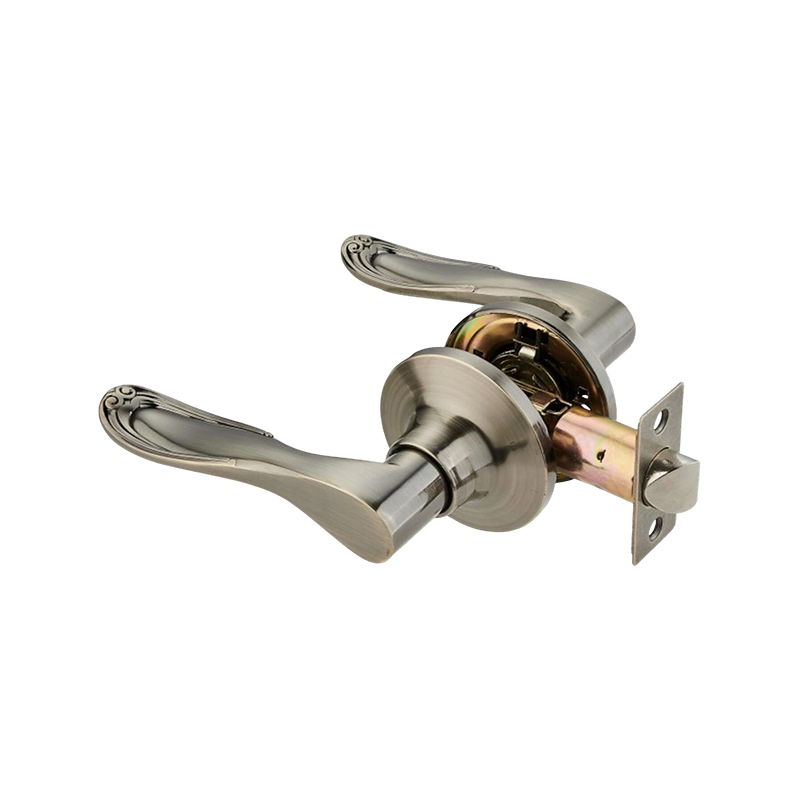
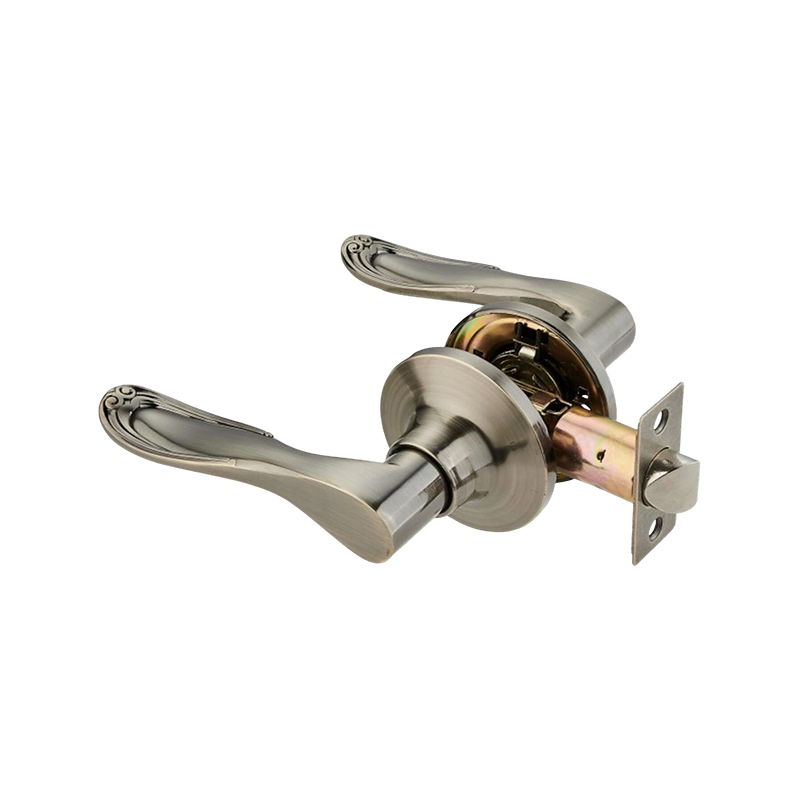
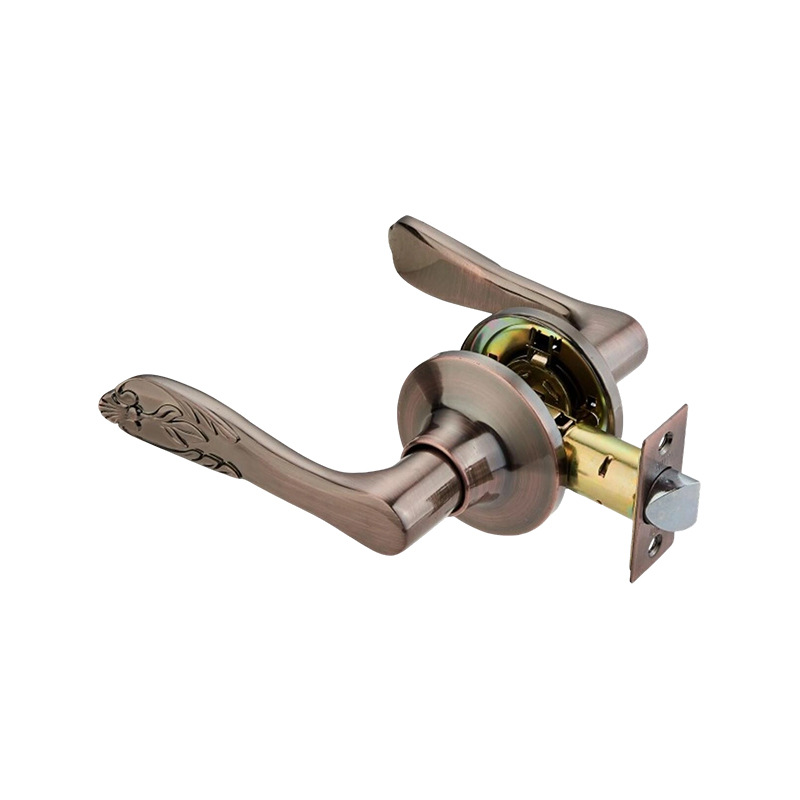
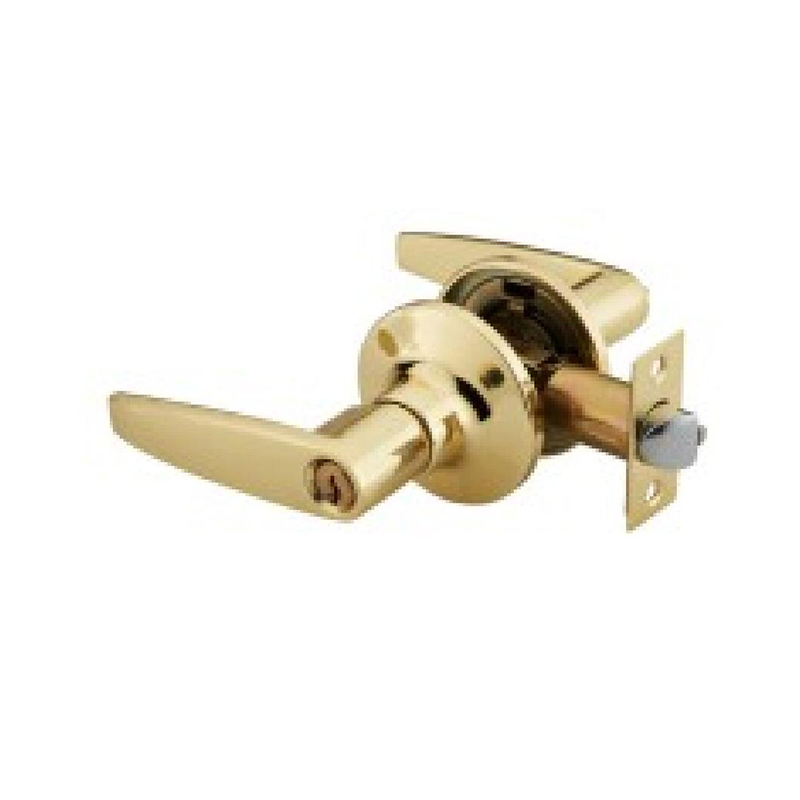
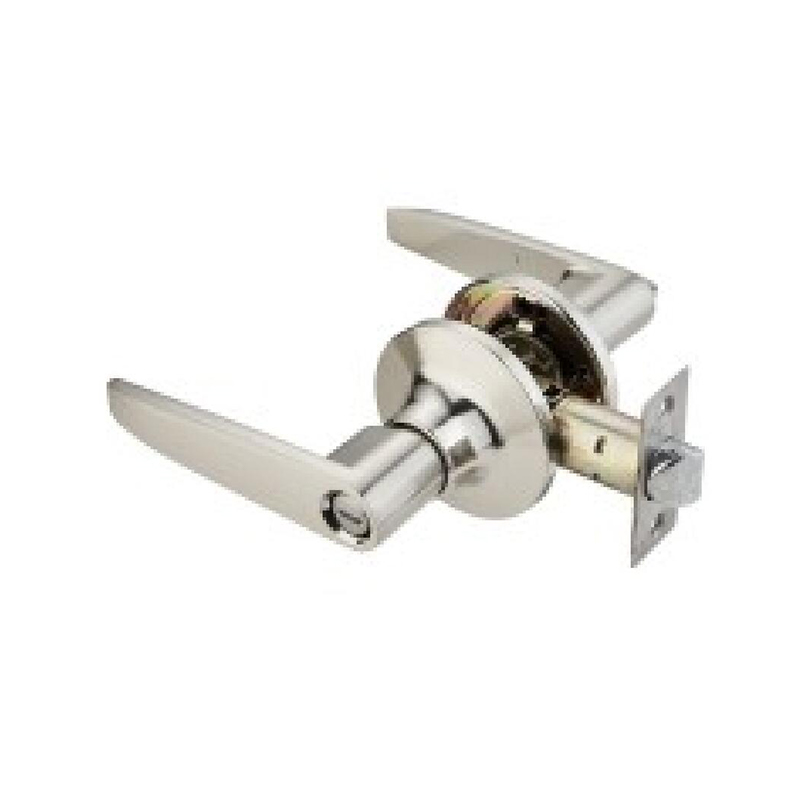
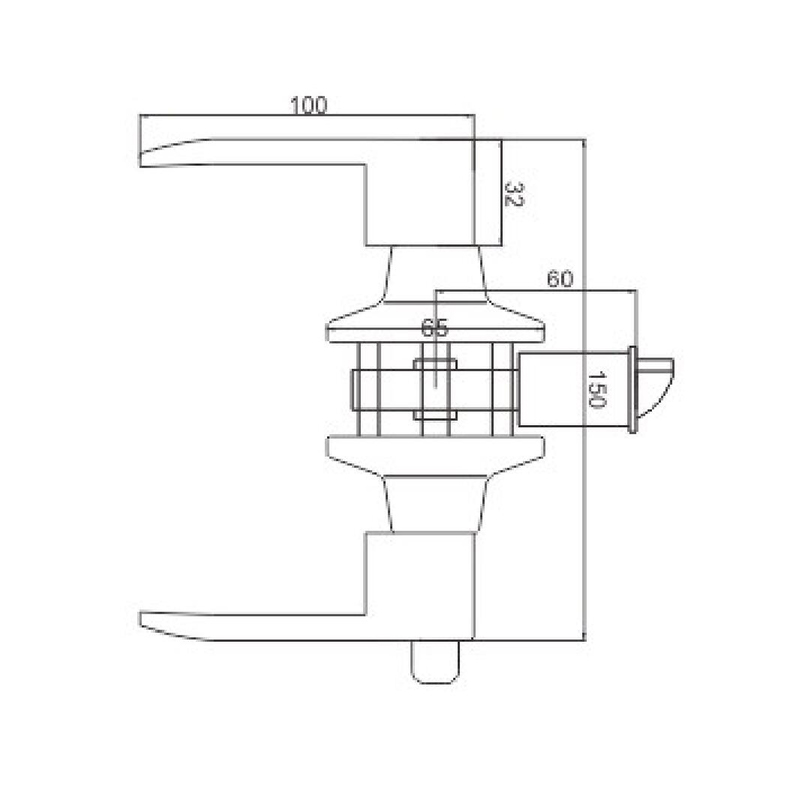
The Rise of Door Handle Locks: Reliability, Humidity Resistance, Security, and Material Selection
The shift from knobs to handles
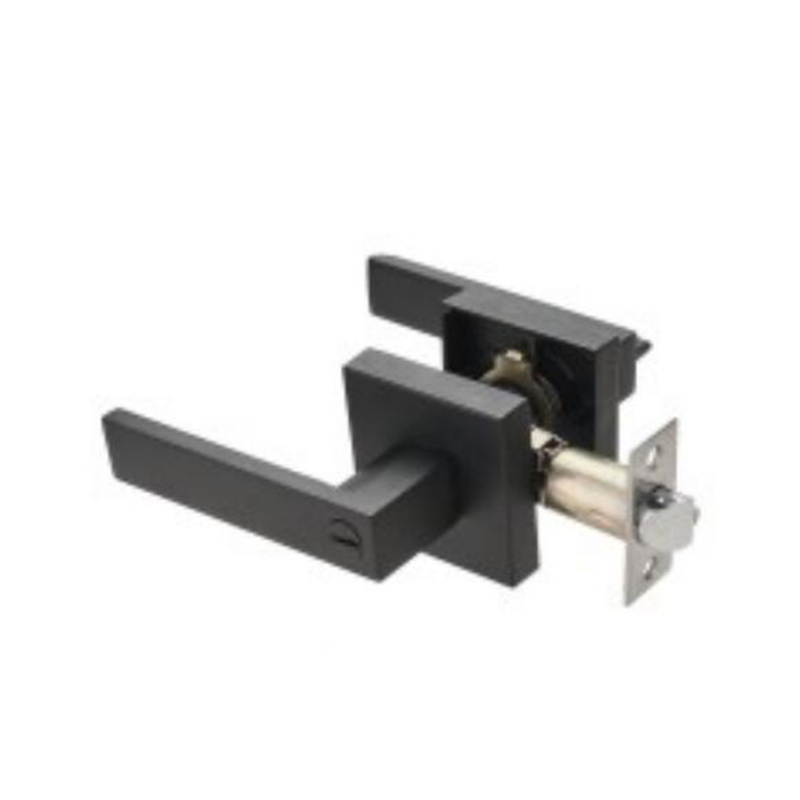
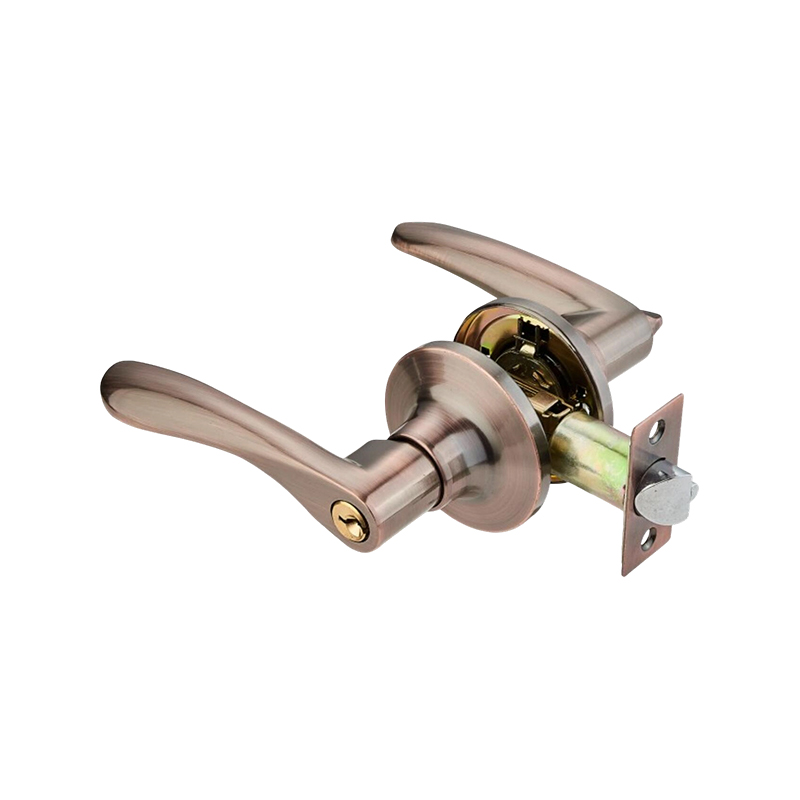
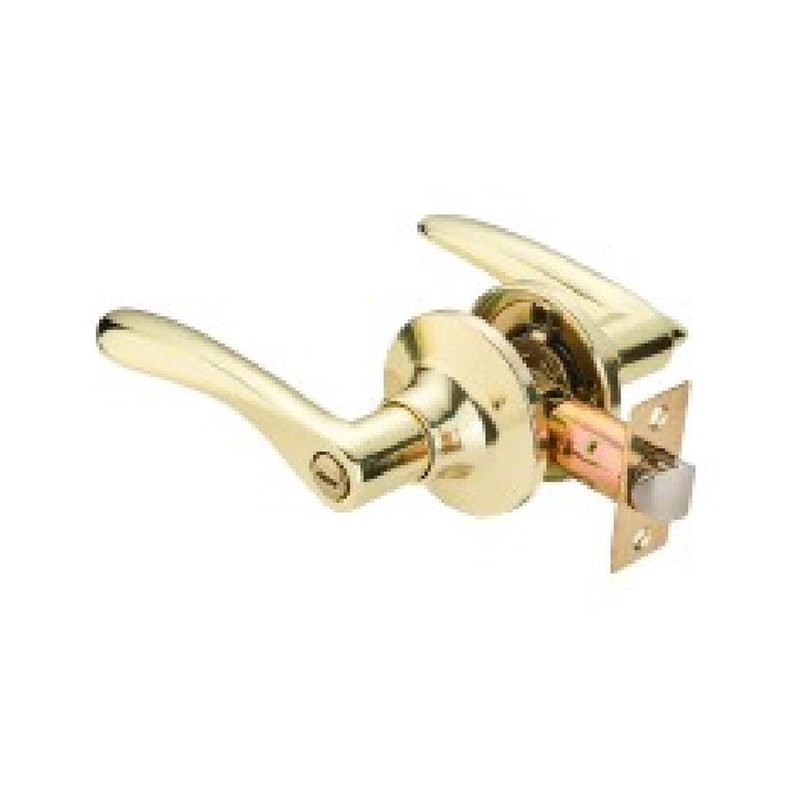
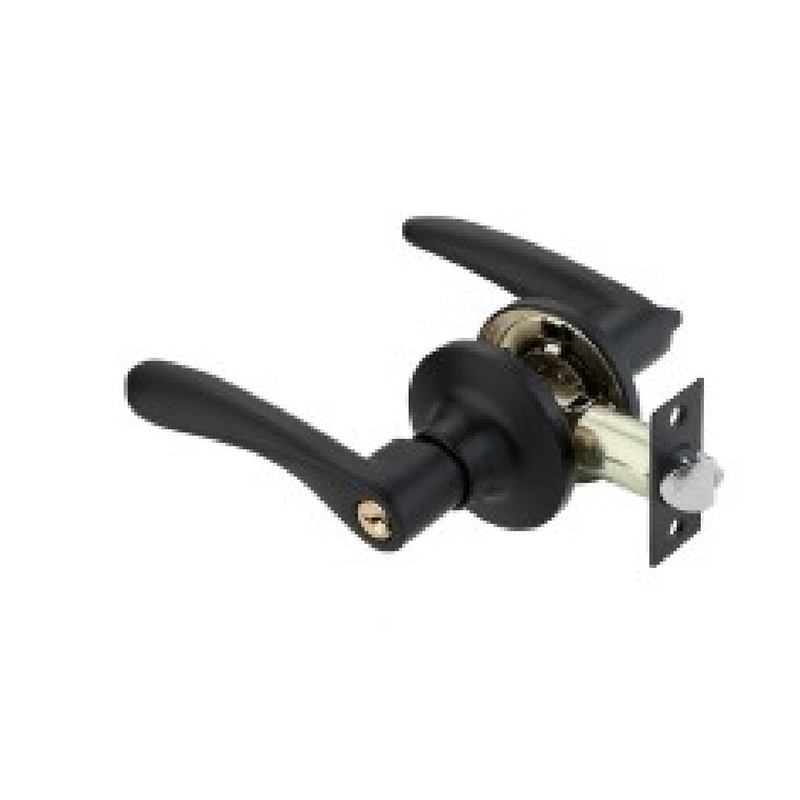
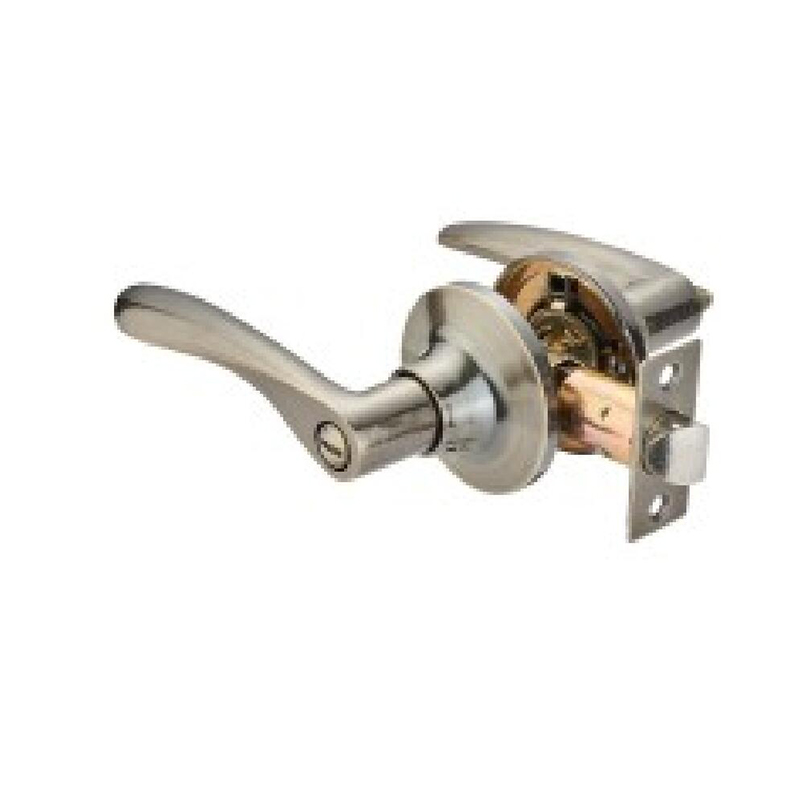
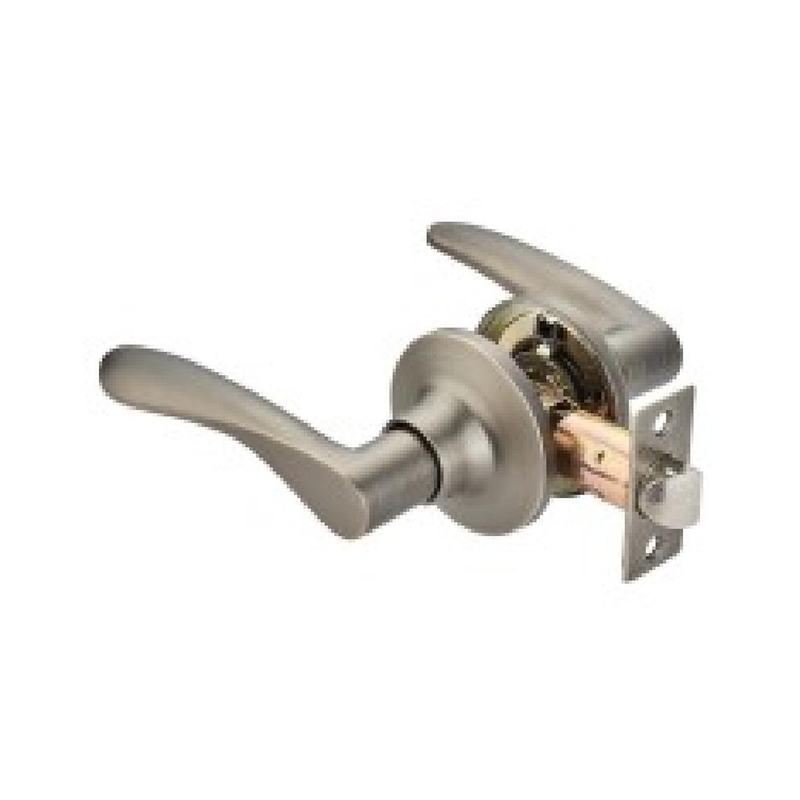
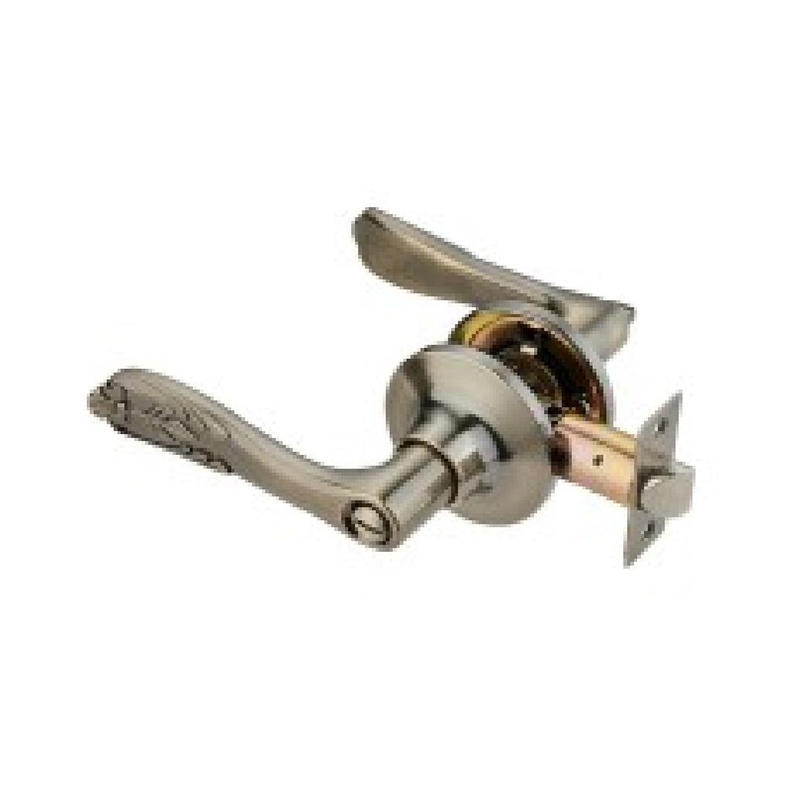
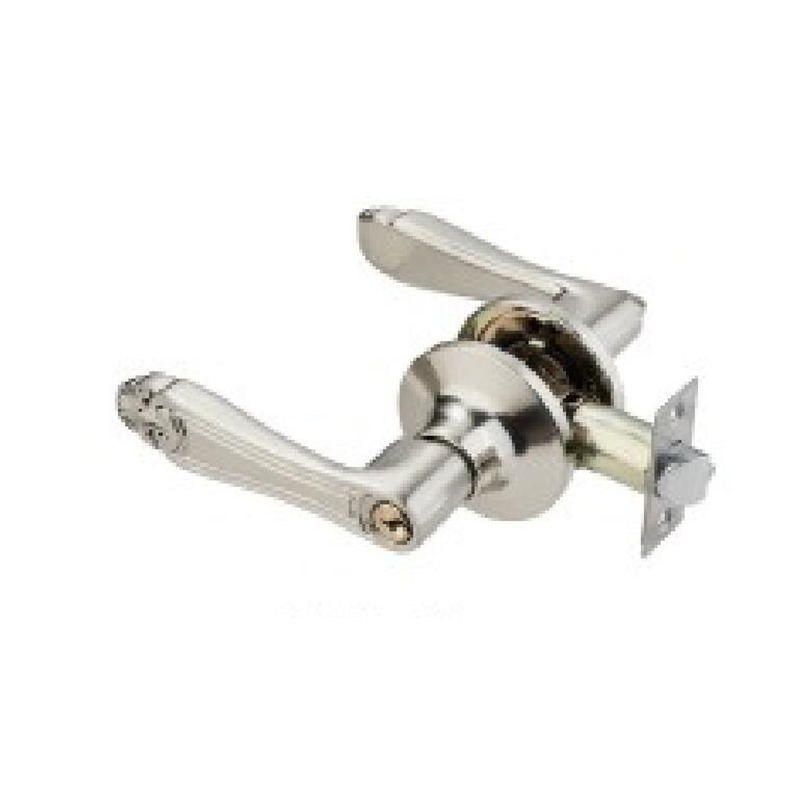
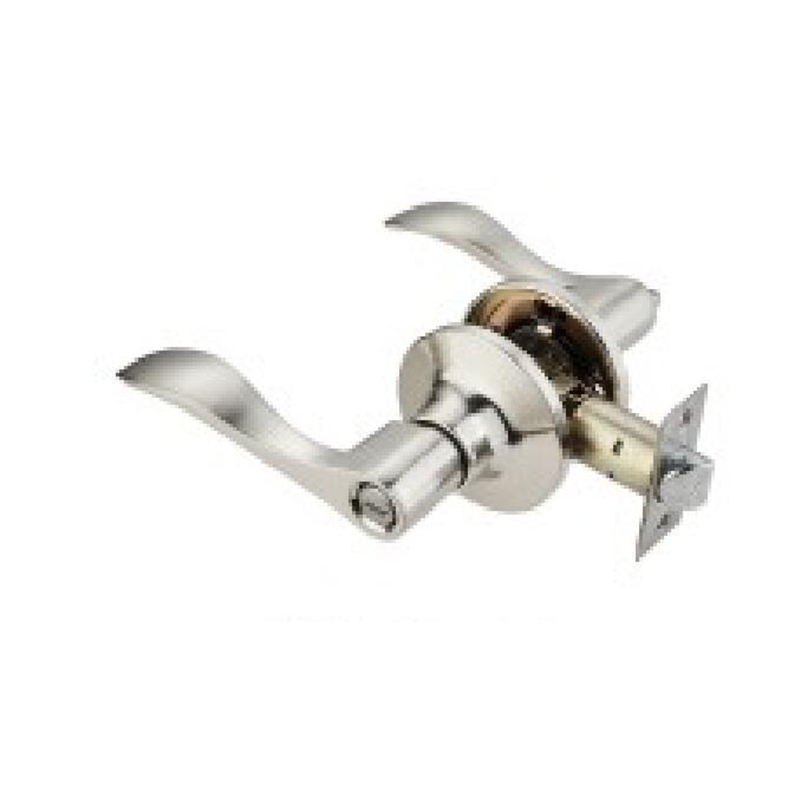
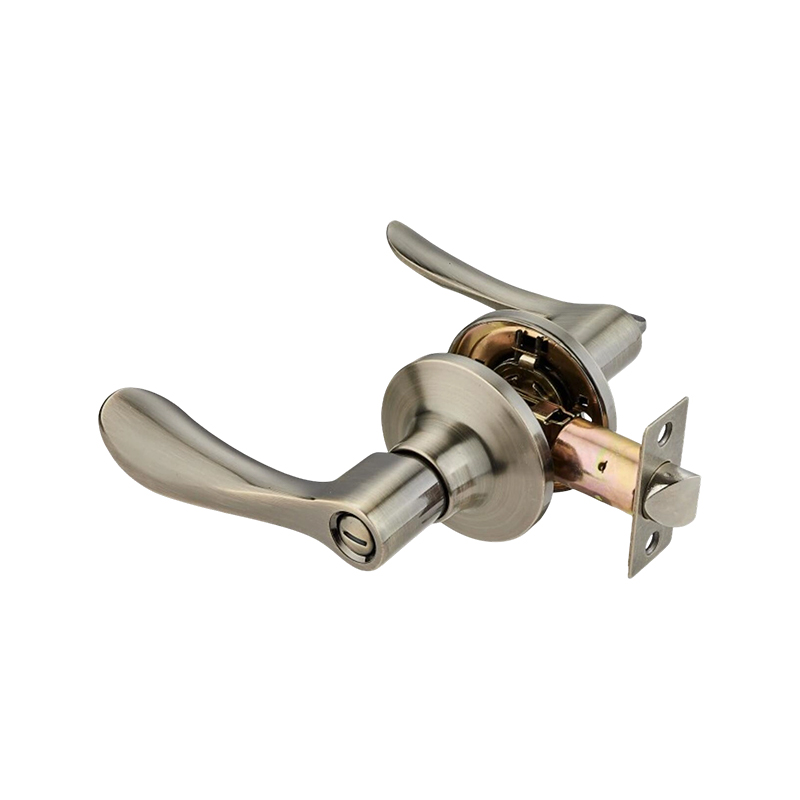
Door handle locks—often called lever locks—have been steadily replacing traditional knob locks in both residential and commercial buildings. Why more people are choosing door handle locks comes down to a combination of accessibility, ease of use, and modern aesthetics.
The accessibility advantage
The primary reason for the shift is accessibility. Lever handles require only a push-down motion to operate, unlike knobs that require a twisting motion of the wrist and fingers. This makes lever handles significantly easier to use for people with arthritis, limited hand strength, or mobility challenges. Lever handles are also ADA-compliant, making them the standard in public buildings and increasingly in homes designed for aging in place.
The usability and convenience factors
Lever handles are easier to operate when carrying items—a push with an elbow or a body lean can open the door. They are more visible and intuitive for children and older adults. The design allows for more decorative options, from modern minimalist to traditional ornate styles. The growing preference for lever handles is also driven by the availability of smart lock integration, with many smart locks designed specifically for lever handle formats.
door handle locks versus knob locks
- Door handle locks: push-down motion, easier for all users, ADA-compliant, wider design variety, better smart lock integration
- Knob locks: twist motion, difficult for users with limited hand strength, not ADA-compliant, limited smart lock integration
Are Door Lever Locks with Adjustable-Direction Designs Actually Reliable?
The adjustable-direction feature
Door lever locks with adjustable-direction designs allow the lever to be installed in either left-hand or right-hand orientation, making them adaptable to different door configurations. Whether these locks are actually reliable depends on the quality of the adjustment mechanism.
How adjustable-direction designs work
The adjustment typically involves a set screw or a spring-loaded mechanism inside the lock base. When the set screw is loosened, the lever can be rotated to the desired direction and then locked into place. The mechanism must provide secure locking to prevent the lever from shifting during use. High-quality adjustable-direction locks use robust set screws and durable internal components.
Reliability in real-world use
In high-quality locks, the adjustable-direction mechanism is reliable for the life of the lock. The set screw holds the lever firmly in position, and the lock is tested to the same ANSI grade as non-adjustable locks. In budget locks, the adjustment mechanism may be less robust, with set screws that can loosen over time. The key to reliability is purchasing a lock from a reputable manufacturer with a strong adjustment mechanism.
adjustable versus fixed-direction lever locks
- Adjustable-direction lever locks: adaptable to any door, simplifies inventory, reliable with proper installation, moderate cost
- Fixed-direction lever locks: dedicated to specific door orientation, lower cost, reliable, limited versatility
The humidity challenge
Bathrooms are among the most challenging environments for door hardware. High humidity, water splashes, temperature changes, and cleaning chemicals can all affect lock performance. Whether lever lockset for bathrooms can truly withstand high humidity depends on the materials, finishes, and protective coatings used.
Material and finish considerations
Solid brass and stainless steel offer the best resistance to humidity and corrosion, making them ideal for bathroom applications. Brass with a high-quality electroplated finish resists tarnishing. Zinc alloy locksets are more vulnerable—they rely on the finish for corrosion protection, and if the finish wears, the zinc can corrode. Powder-coated finishes provide an additional barrier against moisture. Chrome and brushed nickel finishes are popular for bathrooms due to their corrosion resistance and easy cleaning.
Real-world durability
With proper material selection, bathroom lever locksets can last 15–20 years or more. Stainless steel and solid brass locksets in bathrooms show minimal corrosion after years of use. Zinc alloy locksets with high-quality finishes also perform well, though they are more susceptible to finish wear from cleaning chemicals. The most common issue is not corrosion but cleaning chemical damage—harsh cleaners can strip finishes and cause corrosion.
Table: bathroom lever lockset material performance
|
Material
|
Humidity Resistance
|
Finish Durability
|
Maintenance Needs
|
Best Application
|
|
Solid brass (plated)
|
Excellent
|
Good
|
Low
|
High-end residential; traditional
|
|
Stainless steel (304)
|
Excellent
|
Excellent
|
Very low
|
Commercial; high-humidity residential
|
|
Stainless steel (316)
|
Superior
|
Excellent
|
Very low
|
Marine; extreme humidity
|
|
Zinc alloy (plated)
|
Moderate
|
Moderate
|
Moderate
|
Budget residential; low-humidity
|
|
Zinc alloy (powder-coated)
|
Good
|
Good
|
Moderate
|
Residential; moderate humidity
|
The accommodation mechanism
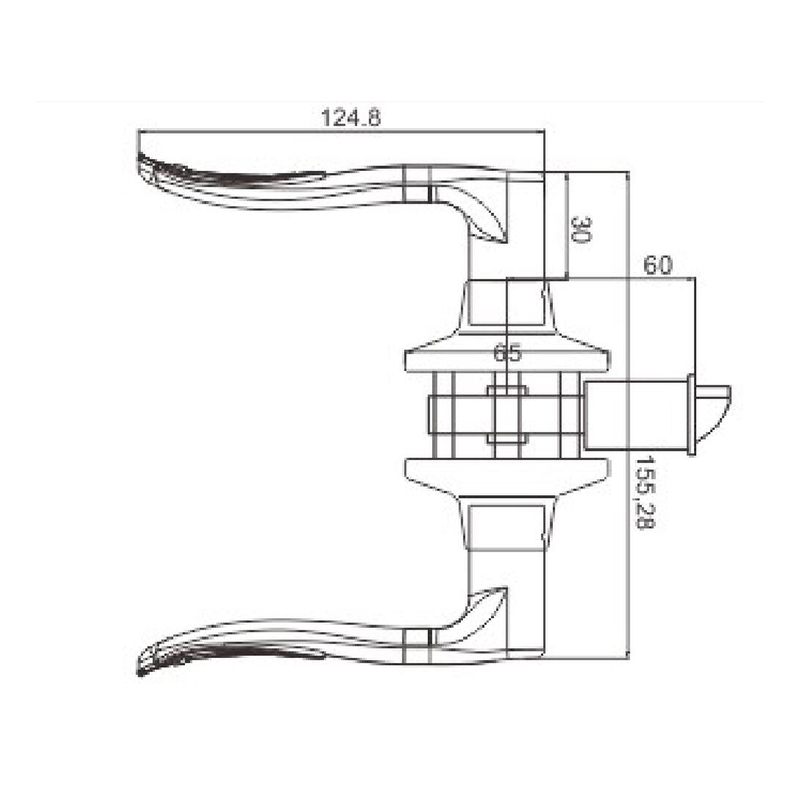
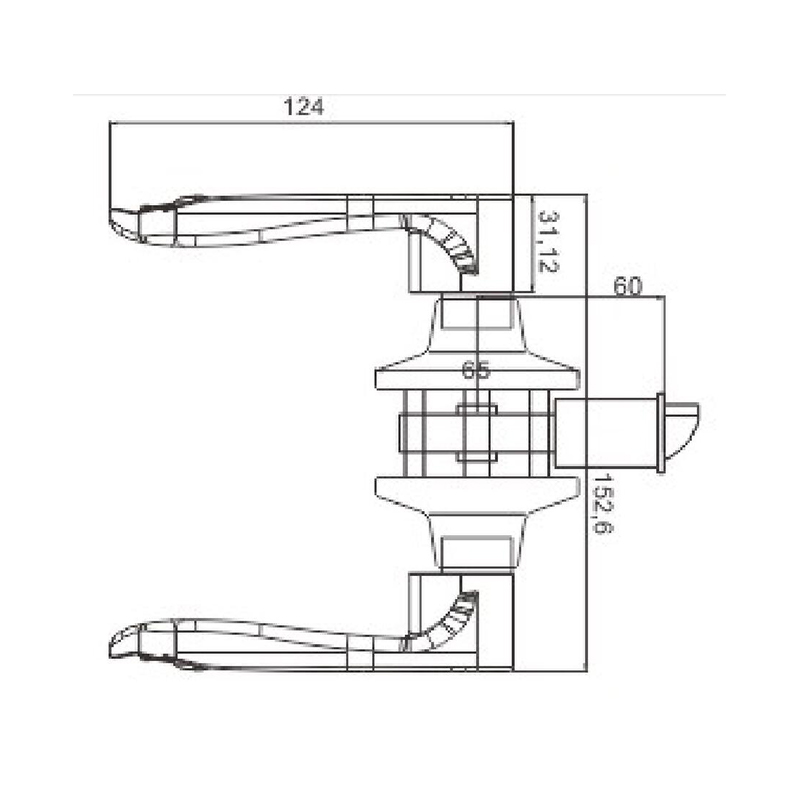
Tubular lever door locks are designed to fit a range of door thicknesses, typically from 1-3/8 inches (35mm) to 1-3/4 inches (45mm). How tubular lever door locks accommodate different door thicknesses is through adjustable backset and adjustable screw length.
The accommodation mechanism
The tubular design uses long mounting screws that pass through the door and connect the interior and exterior assemblies. For thinner doors, shorter screws are used—or the screws are tightened more. For thicker doors, longer screws are used. Many tubular locks include screws that are cut to length or are long enough to fit the maximum door thickness and can be trimmed or fully tightened to fit thinner doors.
Standard compatibility
Most tubular lever locks are designed to fit the standard range of door thicknesses without modification. The installation instructions typically specify the range, and the hardware included is sufficient for that range. The key is measuring door thickness before purchase and selecting a lock with a compatible adjustment range.
tubular lever locks for different thicknesses
- Standard tubular locks: fit 1-3/8 to 1-3/4 inches; included screws; no modification needed
- Thick-door tubular locks: fit up to 2 inches or more; longer screws required; available for specialty doors
- Thin-door tubular locks: fit down to 1 inch; special hardware may be required
The security requirements for entrance doors
Entrance doors require a higher level of security than interior doors. Whether entrance tubular door locks can provide adequate security for entry doors depends on the lock grade, the presence of a deadbolt, and the installation quality.
Security features of entrance tubular locks
Entrance tubular locks typically include a keyed cylinder on the exterior and a thumb turn on the interior. Grade 2 and Grade 1 tubular locks offer 800,000 to 1 million cycles of durability and meet residential and light commercial security standards. The cylinder typically includes anti-pick pins and anti-drill features. The latch is steel and can be deadlocking, preventing manipulation.
The role of deadbolts
Entrance tubular locks should always be complemented by a deadbolt for primary security. The deadbolt provides the main resistance to forced entry, while the tubular lock provides convenience and a secondary locking point. A entrance tubular lock alone is not sufficient for an entry door; a Grade 1 or Grade 2 deadbolt is essential.
entrance tubular locks with and without deadbolts
- Entrance tubular lock with deadbolt: high security; deadbolt provides primary resistance; recommended for all exterior doors
- Entrance tubular lock only: moderate security; latch can be manipulated; not recommended for primary entry
The replacement trend
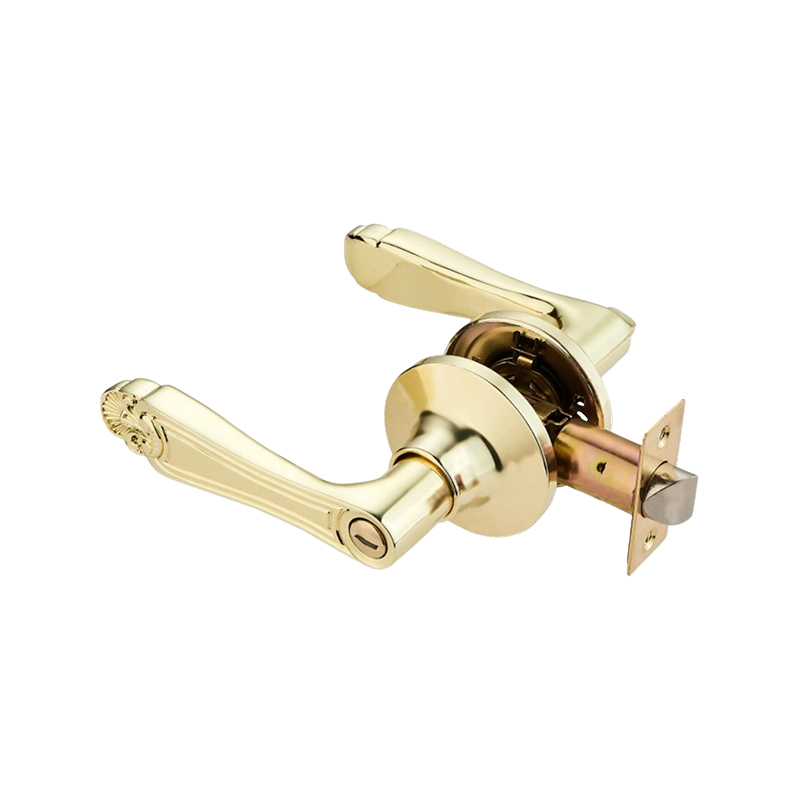
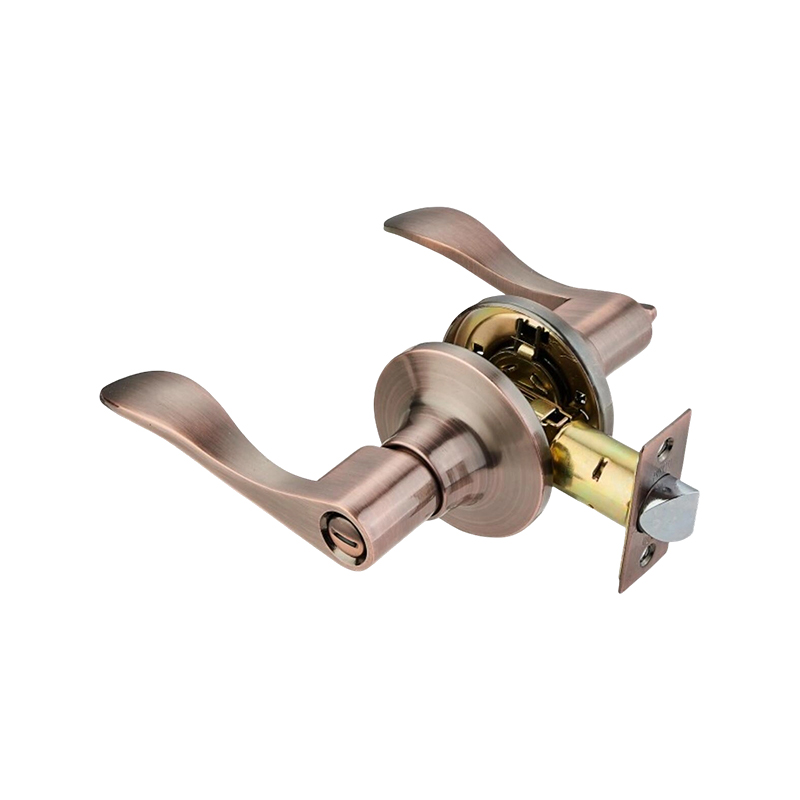
Tubular door handles and locks—lever-style hardware—are rapidly replacing traditional knob locks in new construction and renovations. Why tubular door handles and locks are replacing traditional knob locks is a combination of accessibility, aesthetics, and evolving building codes.
The replacement drivers
The primary driver is accessibility. Lever handles are easier for all users, including people with disabilities, the elderly, and young children. Building codes increasingly require lever handles in commercial spaces and are influencing residential preferences. The second driver is aesthetics. Lever handles offer a wider range of design options, from modern to traditional. The third driver is the availability of smart lock integration, which is more common with lever formats.
Adoption in new construction
New construction is increasingly specifying lever handles as standard hardware. The push for universal design and accessibility has made lever handles the default choice for many residential and commercial projects. The cost difference between knob locks and lever handles has decreased, making lever handles an affordable upgrade.
Table: tubular door handles versus traditional knob locks
|
Factor
|
Tubular Door Handle
|
Traditional Knob Lock
|
Why Handles Are Replacing Knobs
|
|
Accessibility
|
High (push-down)
|
Low (twist)
|
Easier for all users
|
|
ADA compliance
|
Yes
|
No
|
Required for commercial; preferred for residential
|
|
Design variety
|
Wide
|
Moderate
|
Better integration with design styles
|
|
Smart lock integration
|
Widely available
|
Limited
|
Supports smart home adoption
|
|
Cost
|
Moderate
|
Lower (comparable for quality)
|
Cost gap decreasing
|
|
Installation
|
Simple tubular design
|
Simple tubular design
|
Similar installation process
|
|
User acceptance
|
High
|
Traditional
|
Growing preference for modern design
|
Defining stainless steel grades
Stainless steel handle locks are available in different grades, each with different properties. Which type of stainless steel is best for stainless steel handle locks depends on the application and environmental conditions.
304 stainless steel
304 stainless steel is the standard grade for most door handle locks. It contains 18% chromium and 8% nickel, providing good corrosion resistance for most residential and commercial interior applications. It is suitable for coastal areas with moderate salt exposure. 304 stainless steel is the preferred grade for quality residential and light commercial hardware.
316 stainless steel
316 stainless steel contains molybdenum, providing superior corrosion resistance. It is the preferred grade for marine environments and applications with high salt or chemical exposure. It is typically used in coastal buildings, marine hardware, and chemical environments. 316 stainless steel is significantly more expensive than 304, so it is used only in applications requiring the additional protection.
430 stainless steel
430 stainless steel is a lower-grade stainless steel, offering moderate corrosion resistance. It is sometimes used in budget locks but is not recommended for exterior or high-humidity applications due to its vulnerability to corrosion.
stainless steel grades for handle locks
- 304 stainless steel: good corrosion resistance; suitable for residential and commercial interior/exterior; moderate cost
- 316 stainless steel: superior corrosion resistance; suitable for marine and coastal applications; higher cost
- 430 stainless steel: moderate corrosion resistance; budget applications; not recommended for exterior use
Defining heavy-duty applications
Heavy duty tubular lever handle door locks are designed for high-traffic environments and applications requiring greater security. The ideal use cases for heavy duty tubular lever handle door locks include commercial buildings, high-traffic residential entrances, and industrial applications.
Commercial applications
Heavy-duty tubular lever locks are ideal for commercial environments requiring reliable locking for daily use, including offices, schools, medical facilities, and multi-family buildings. They are preferred in applications where lever handles are required for accessibility compliance and where doors are subjected to high-frequency use.
High-traffic residential applications
High-traffic residential entrances are ideal for heavy-duty tubular lever locks. They provide the security and durability needed for frequent use without the complexity and cost of mortise locks. They are also ideal for vacation homes and rental properties where reliability is essential and maintenance accessibility is important.
heavy-duty tubular lever locks versus standard lever locks
- Heavy duty tubular lever locks: higher security and durability; suitable for commercial and high-traffic residential; Grade 1 or 2; higher cost
- Standard tubular lever locks: suitable for typical residential use; Grade 2 or 3; moderate cost; lower durability for high-frequency use
FAQ
Q1: Are lever handle locks more secure than knob locks?
The security of lever handle locks and knob locks depends on the grade and mechanism, not the style. Grade 1 lever locks provide the same security as Grade 1 knob locks. Lever handles are slightly more vulnerable to forced down-force than knobs, but high-quality lever locks are as secure as knobs for residential use.
Q2: Can I replace a knob lock with a lever handle lock on the same door?
Yes, in most cases. Lever handle locks and knob locks share the same standard bore hole dimensions (2-1/8 inch) and backset dimensions (2-3/8 or 2-3/4 inch). Removing the knob lock and installing a lever handle lock is straightforward.
Q3: How do I choose the right stainless steel grade for my door locks?
Choose 304 stainless steel for most residential and commercial interiors. Choose 316 stainless steel for coastal locations with salt air or marine environments. Avoid 430 stainless steel for exterior or high-humidity applications.
Q4: Are adjustable-direction lever locks more likely to break?
High-quality adjustable-direction lever locks are as reliable as fixed-direction locks. The adjustment mechanism is robust and tested to the same ANSI grade. Budget locks may have less reliable adjustment mechanisms, so choose a reputable brand.
Q5: How long do heavy-duty tubular lever locks last?
Heavy-duty tubular lever locks are tested to 800,000 to 1 million cycles, equivalent to 20–30 years of residential use or 10–15 years of commercial use. With regular maintenance, they can last even longer.

 English
 русский
 中文简体
中文简体 Español
 عربى
عربى