Tubular Knob Locks: Material Durability, Installation Process, and Advantages Over Mortise Locks
What Is the Real-World Feedback Regarding the Materials and Durability of Tubular Knob Locks?
The material composition of tubular knob locks
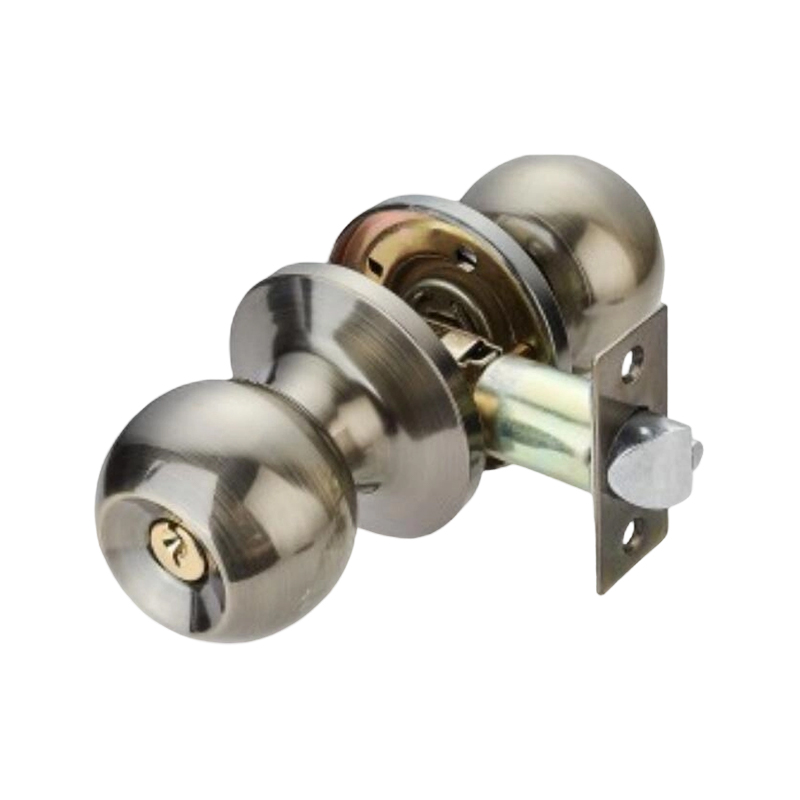
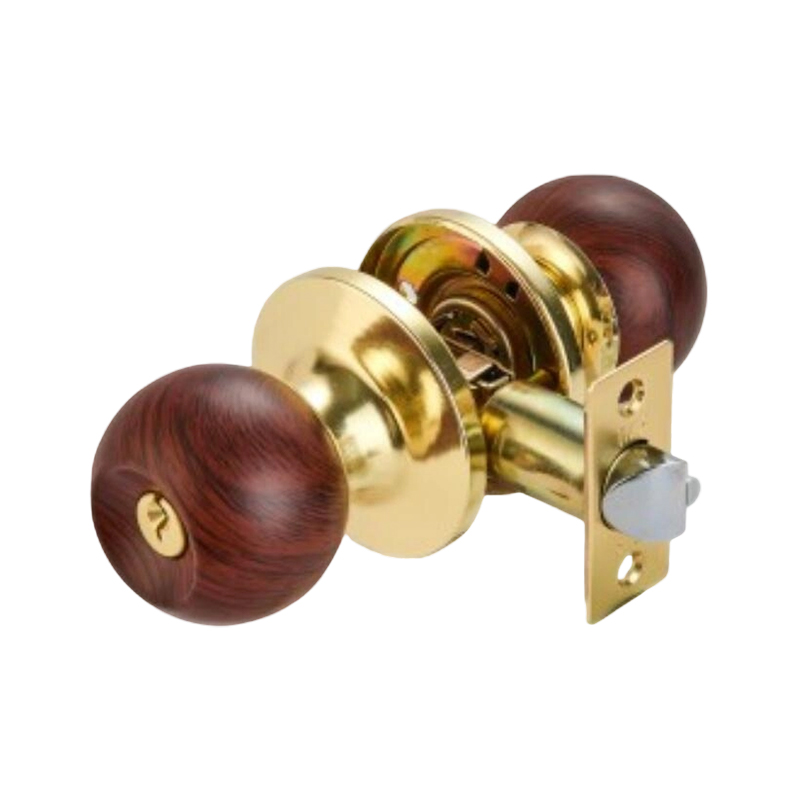
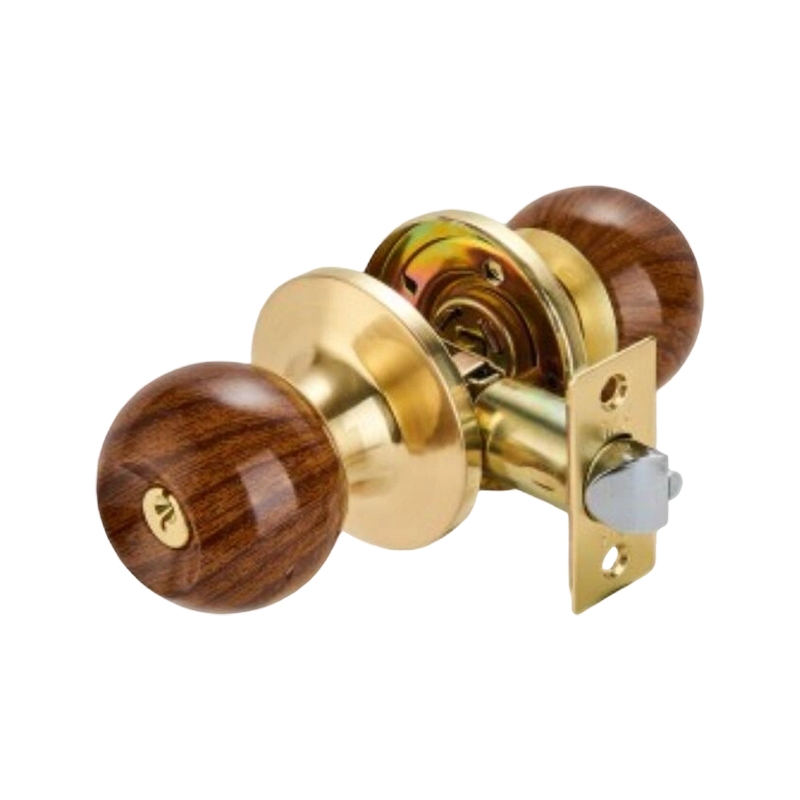
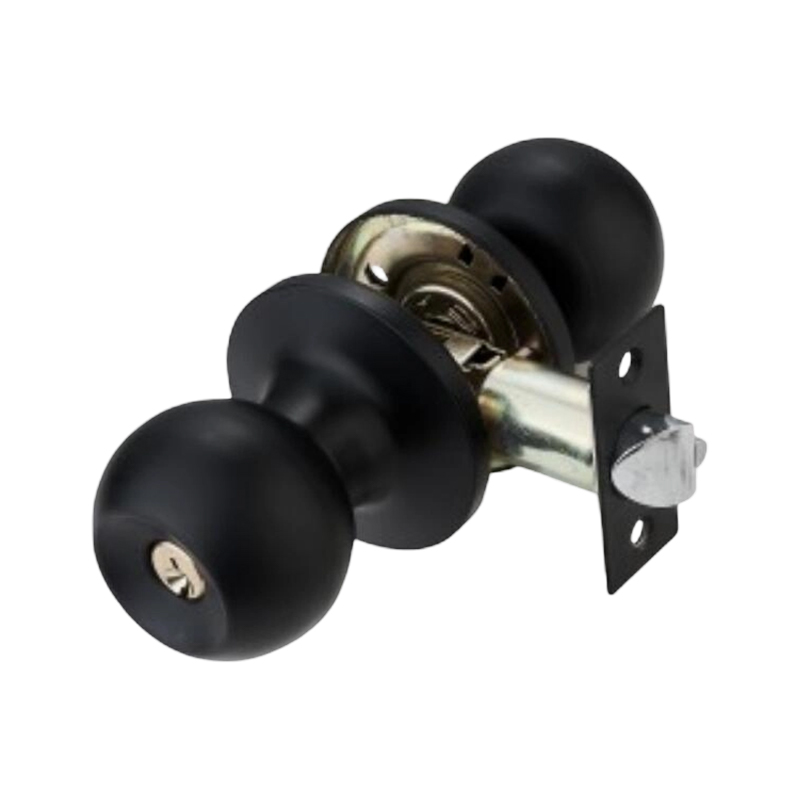
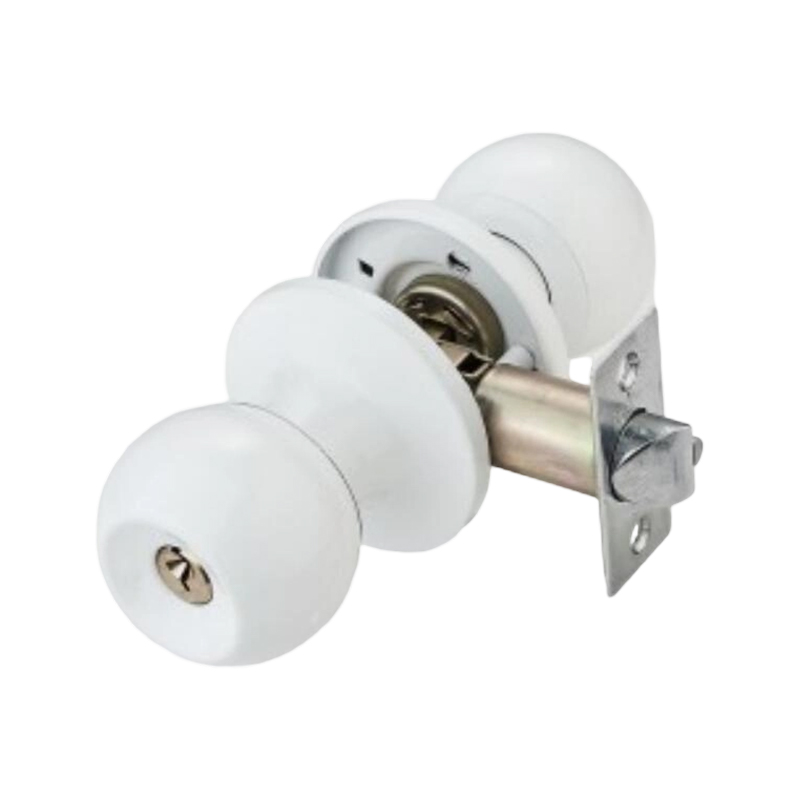
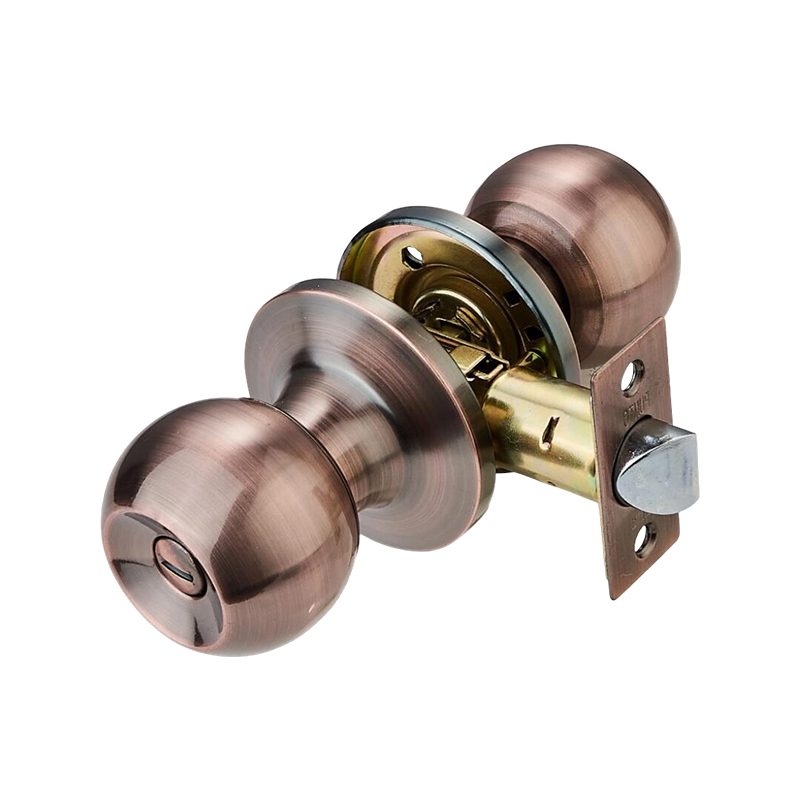
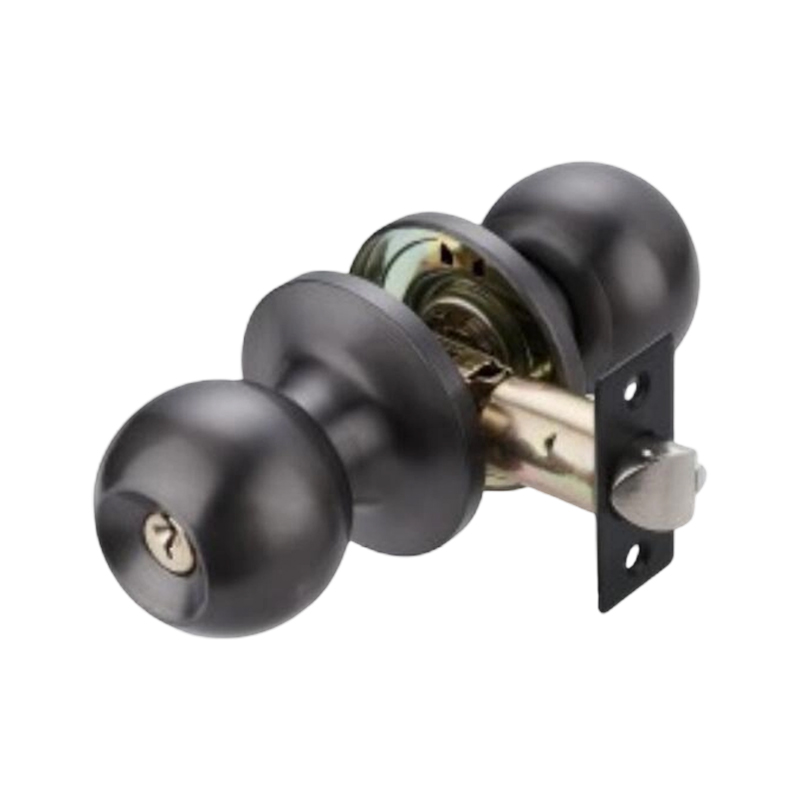
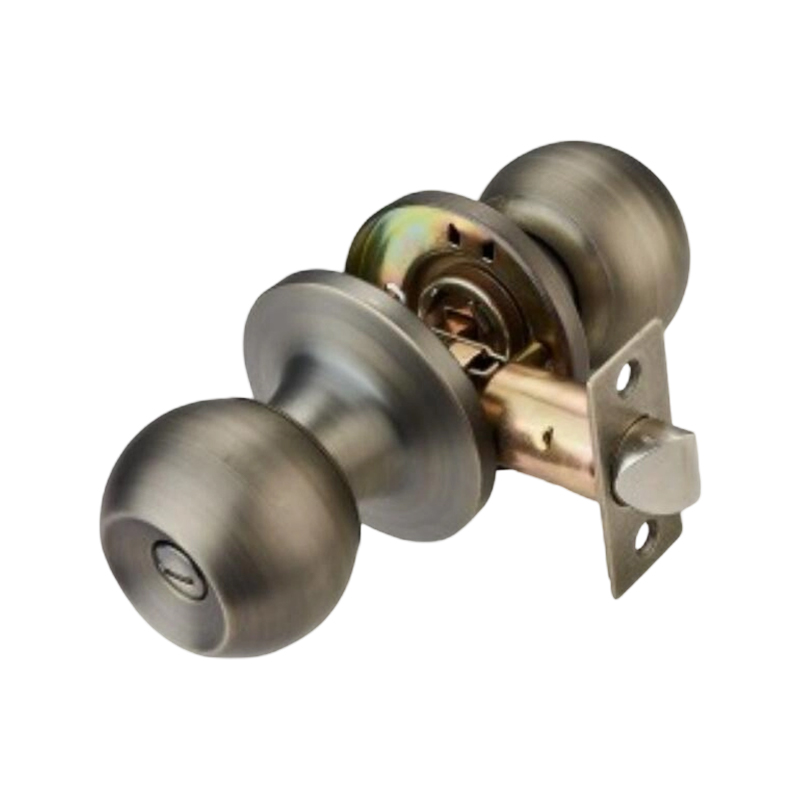
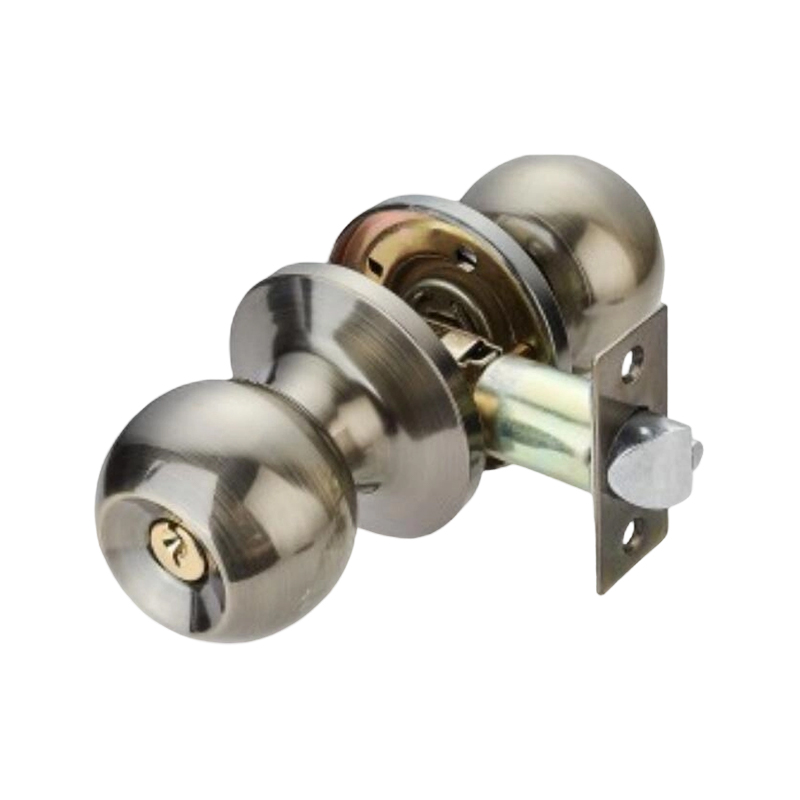
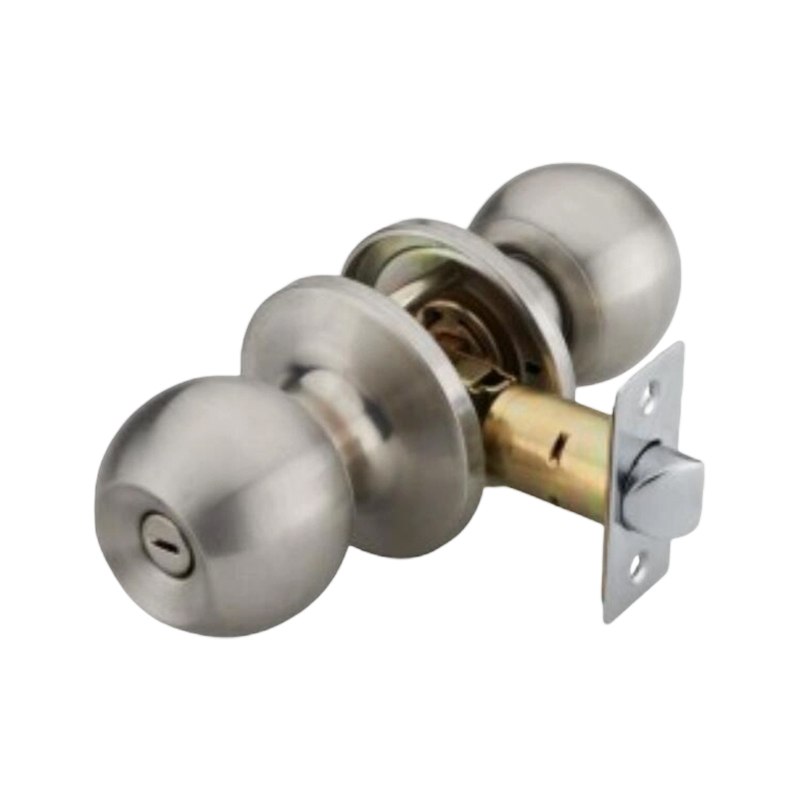
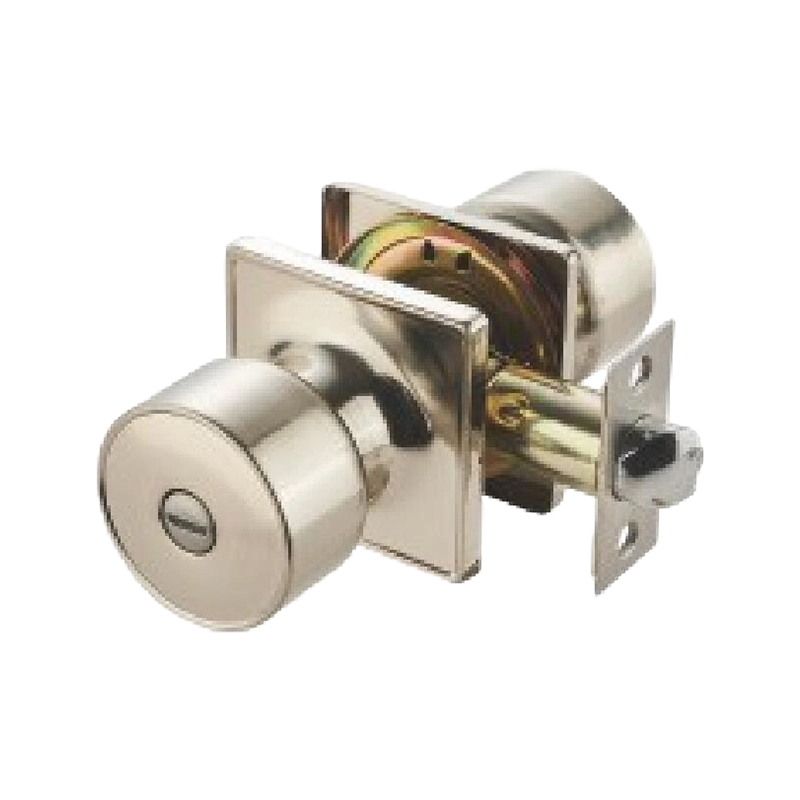
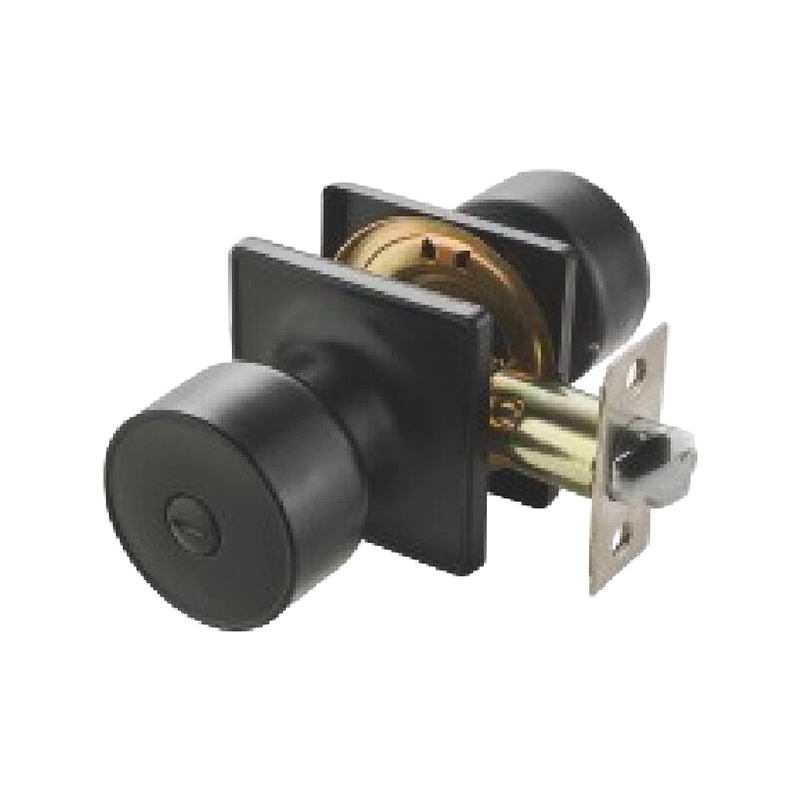
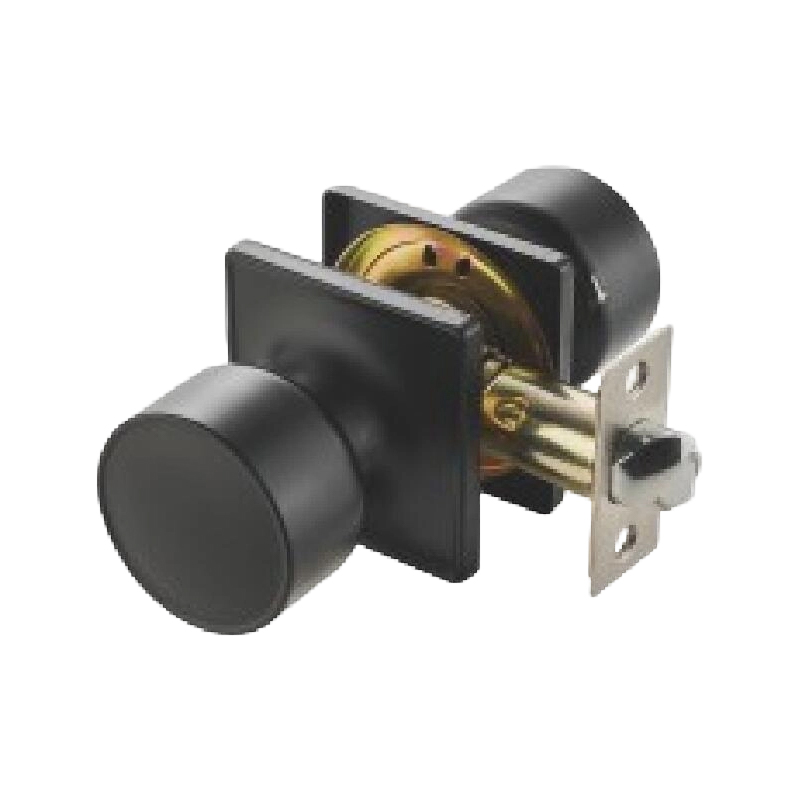
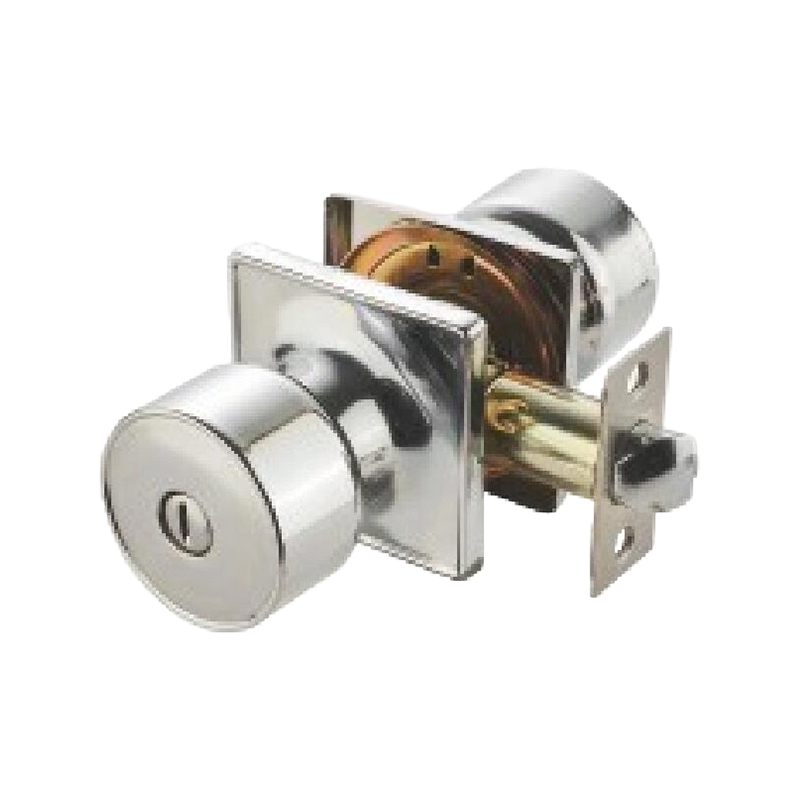
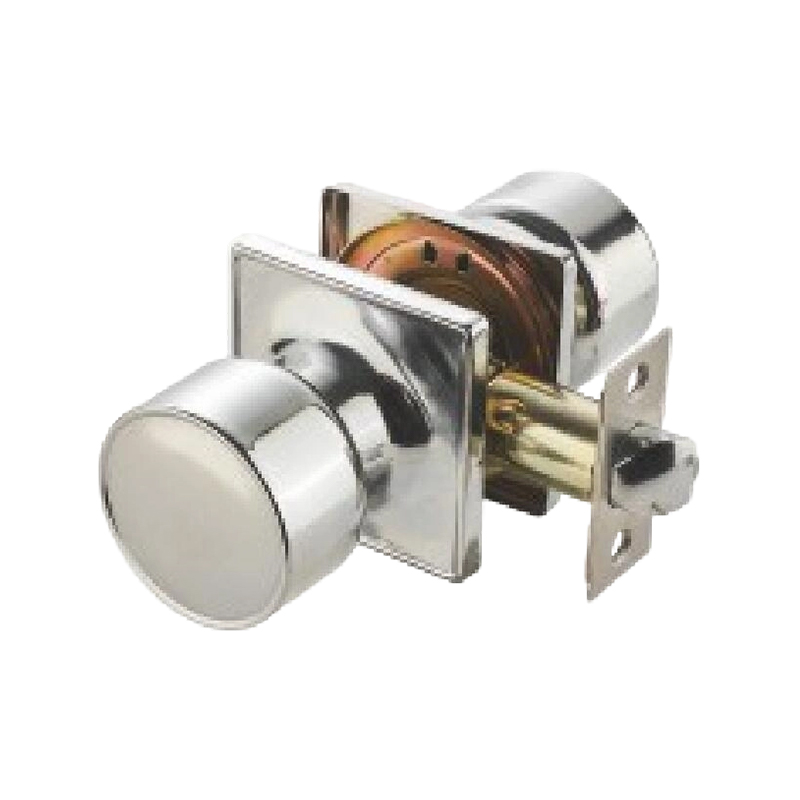
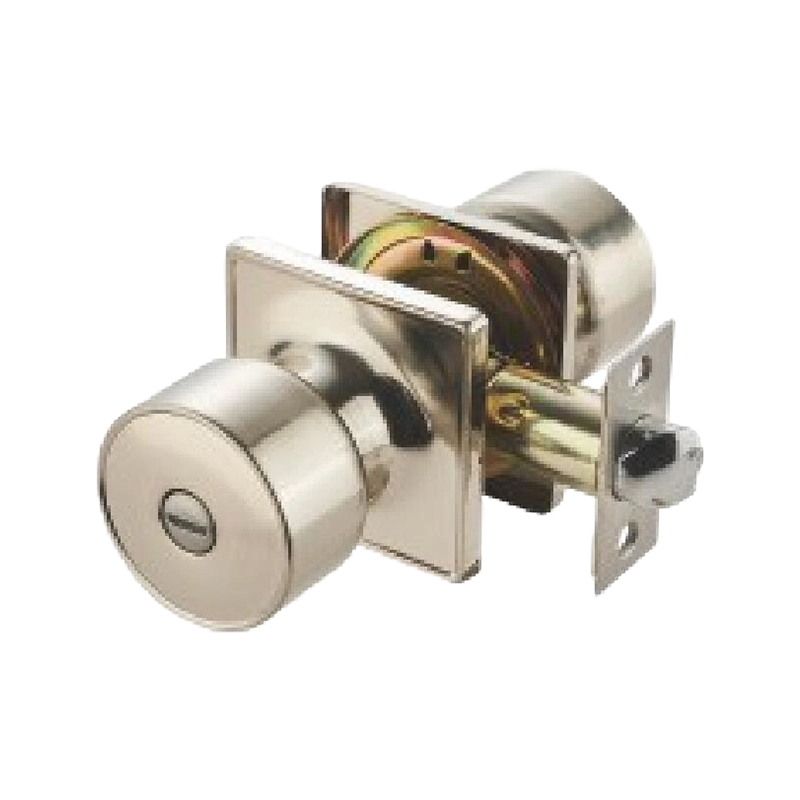
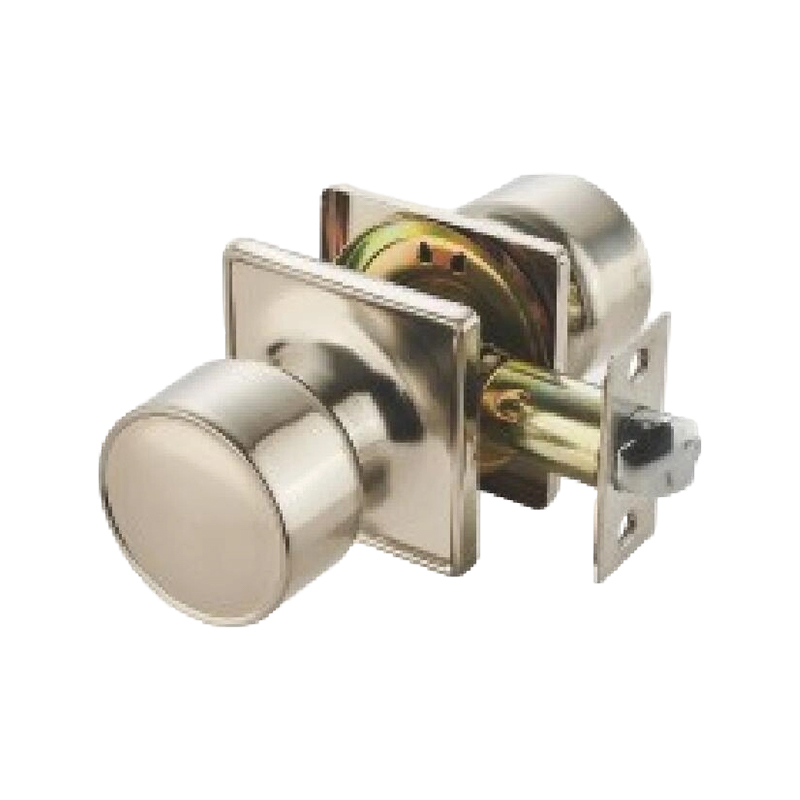
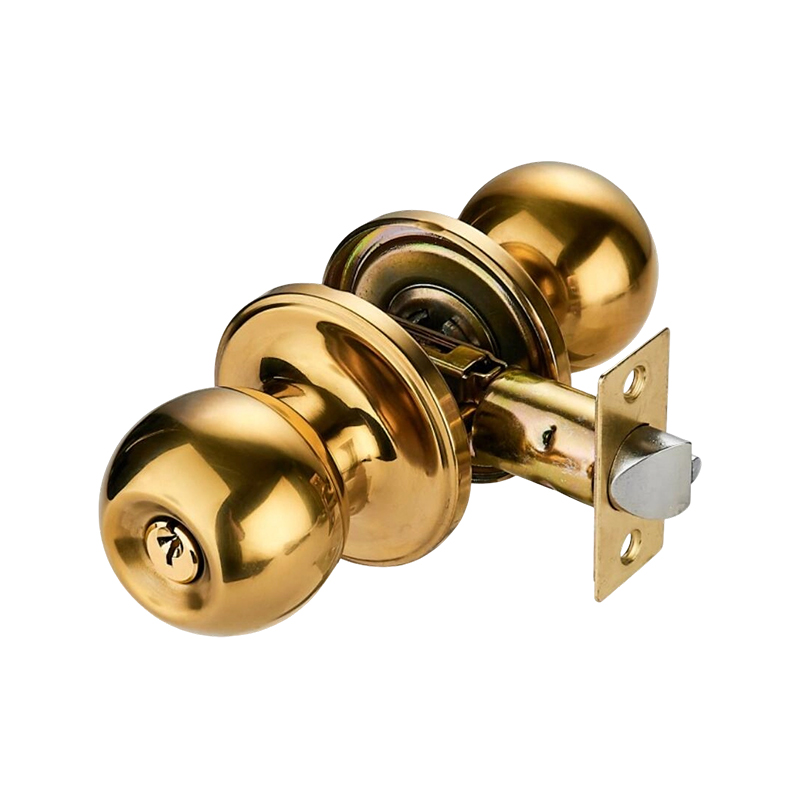
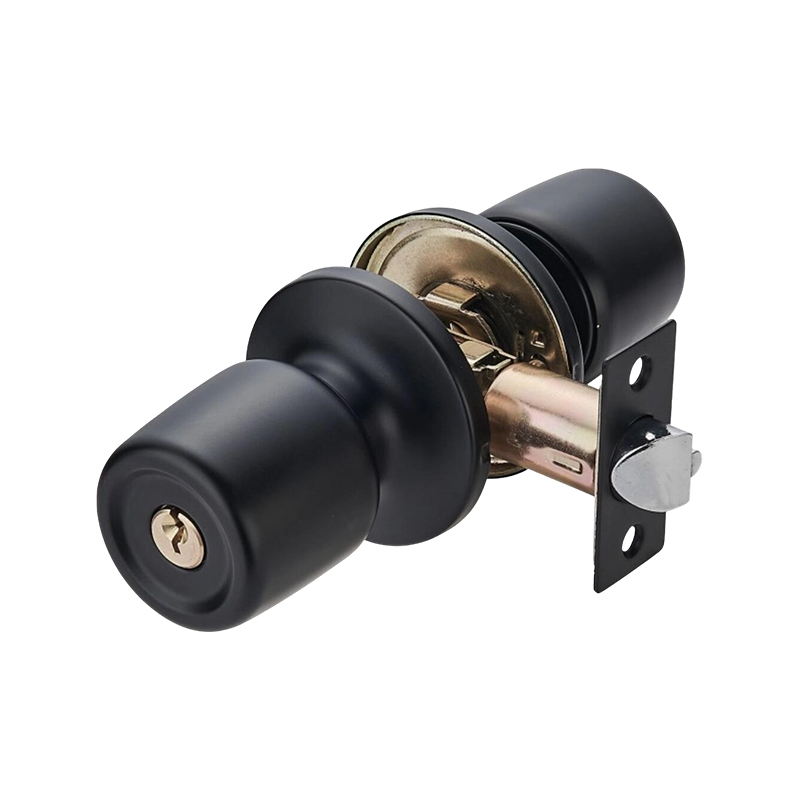
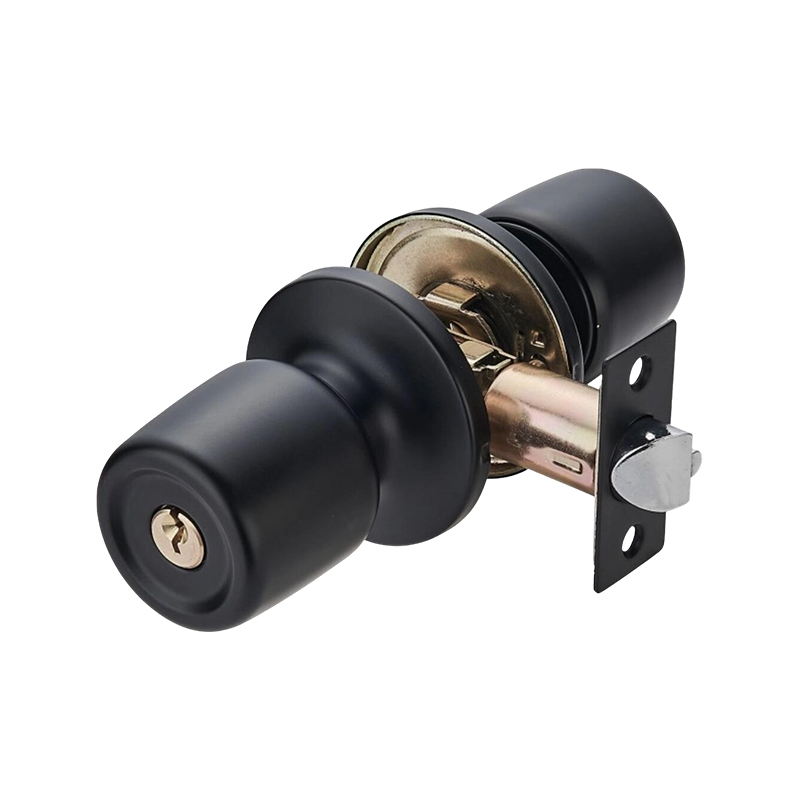
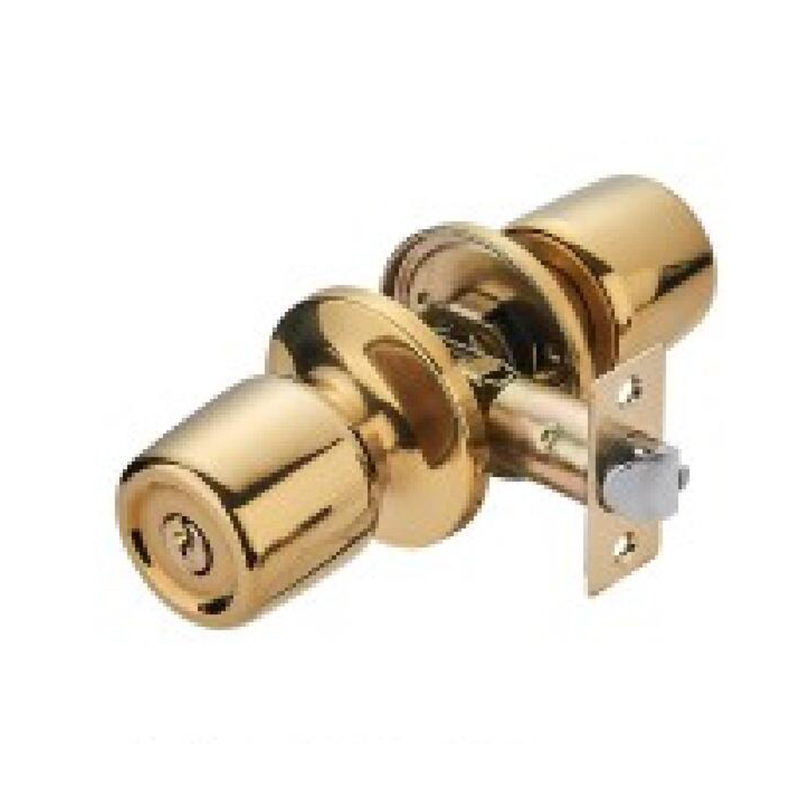
Tubular knob locks are among the most common door hardware found in residential construction. Their name comes from the tubular-shaped latch mechanism that slides into the door edge. The real-world feedback regarding the materials and durability of tubular knob locks comes from installers, property managers, and homeowners who use them daily.
Material composition and construction
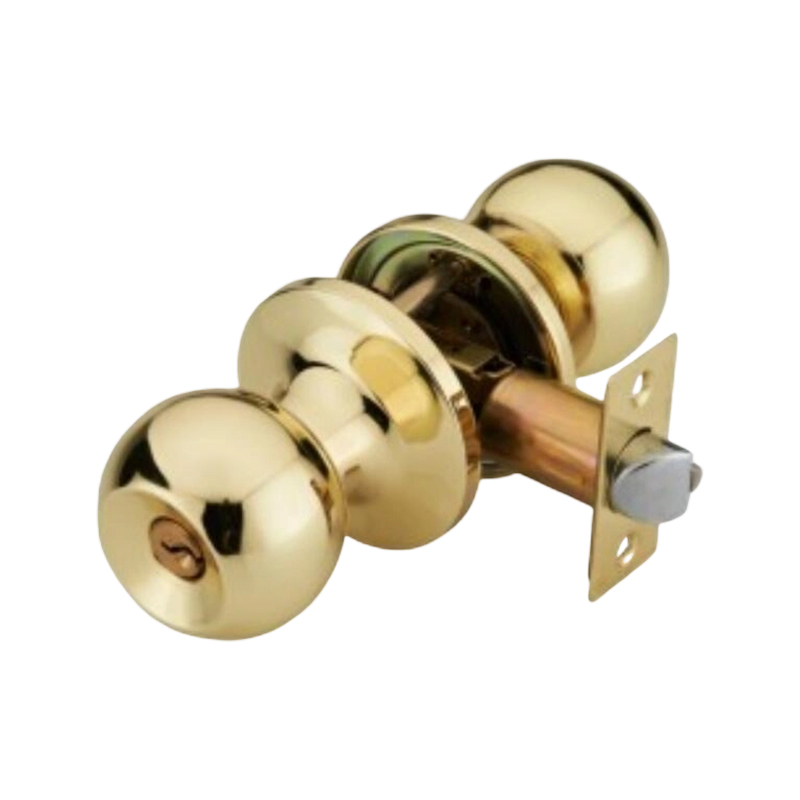
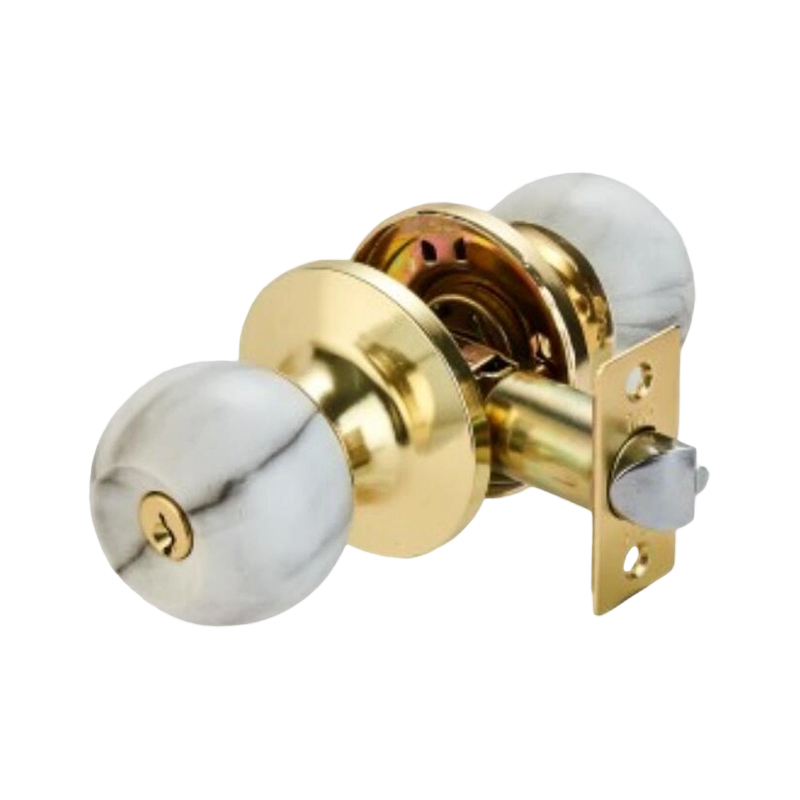
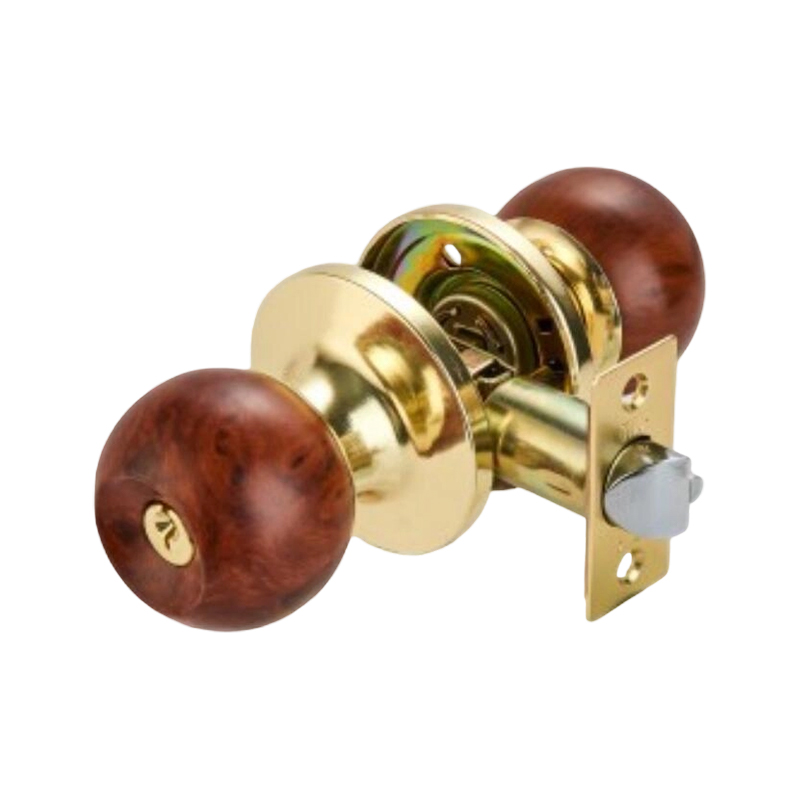
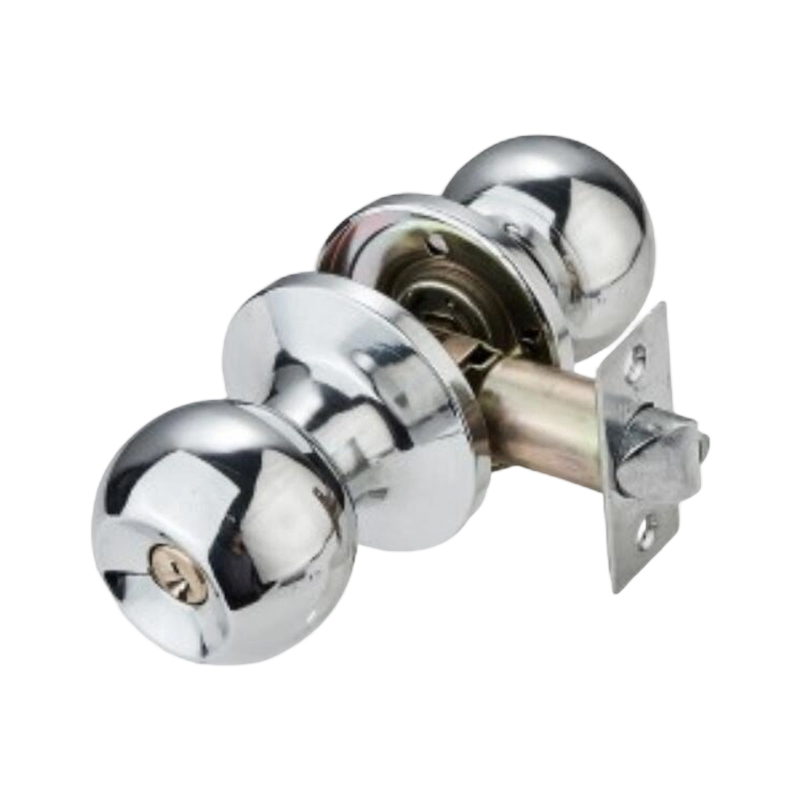
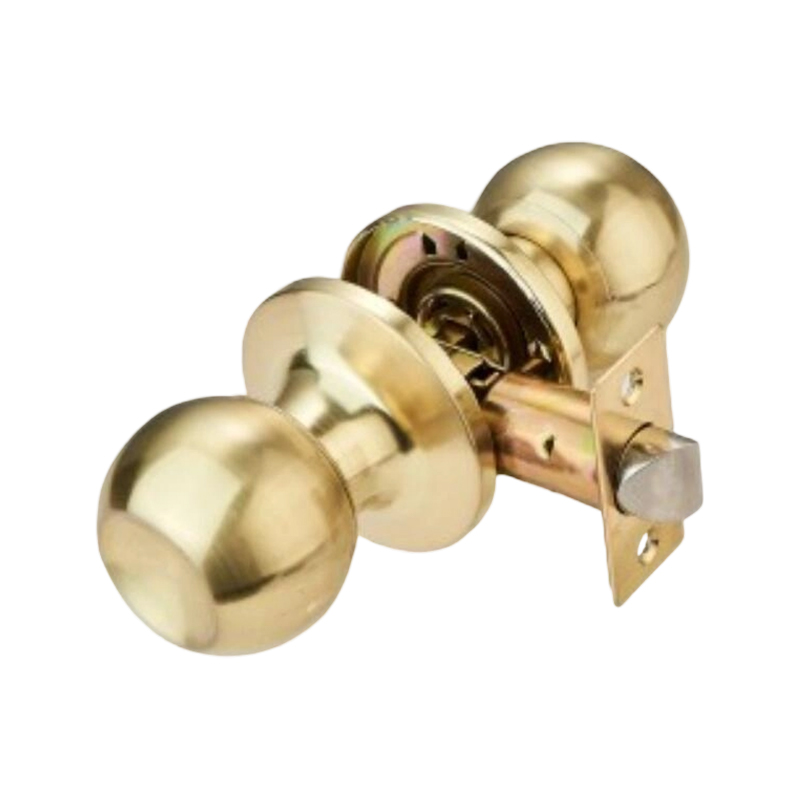
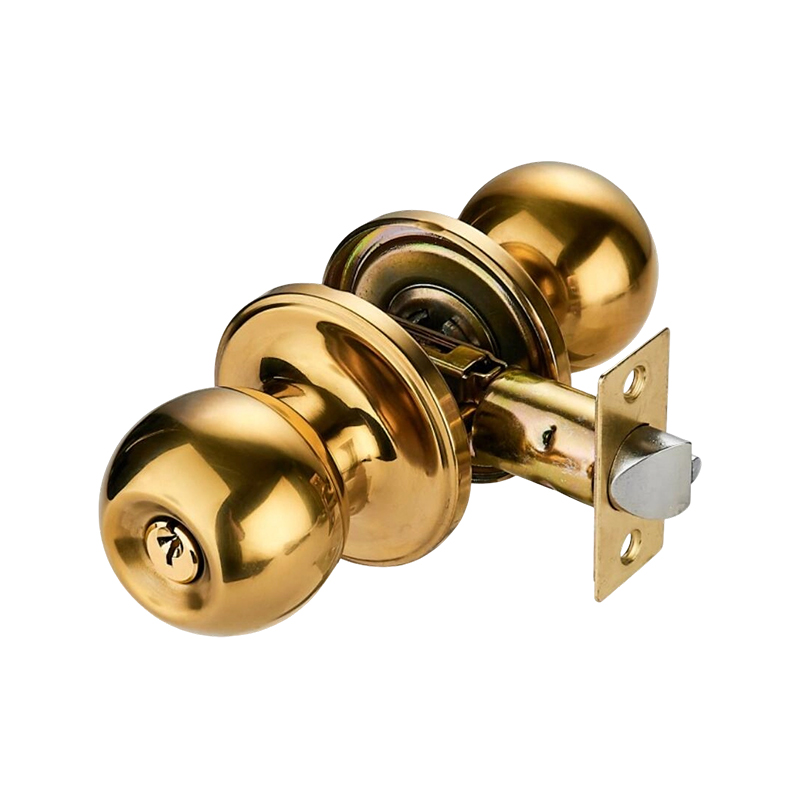
The knob itself is typically die-cast zinc alloy, chosen for its castability and cost-effectiveness. Higher-end tubular locks use solid brass or stainless steel. The latch mechanism is usually steel, with the bolt and spring components made from hardened steel for durability. The internal tube—the cylindrical housing that contains the latch—is typically steel or brass. Finishes are applied through electroplating or powder coating, providing corrosion resistance and aesthetic appeal.
Real-world durability feedback
In residential applications, Grade 2 tubular knob locks typically provide 10–20 years of reliable service with minimal maintenance. Grade 3 locks, commonly found in builder-grade installations, last 8–15 years before showing wear. The most common failure points are not the lock body itself but the internal springs and the latch mechanism. Users report that knobs become loose over time—a simple fix by tightening the setscrew. The finish durability varies; high-quality electroplating maintains appearance for 10+ years, while lower-quality finishes show wear within 3–5 years in high-touch areas.
Table: material durability feedback for tubular knob locks
|
Component
|
Material
|
Real-World Lifespan
|
Common Issues
|
User Feedback
|
|
Knob body
|
Zinc alloy (die-cast)
|
10–20 years
|
Finish wear, loosening
|
Good value; finish quality varies
|
|
Knob body (premium)
|
Solid brass or stainless steel
|
25+ years
|
Minimal wear
|
Excellent durability; higher cost
|
|
Latch mechanism
|
Steel
|
8–15 years
|
Spring wear, sticking
|
Most common failure point
|
|
Internal tube
|
Steel or brass
|
15–20 years
|
Corrosion in humid environments
|
Generally reliable
|
|
Finish
|
Electroplated or powder coated
|
5–15 years
|
Tarnishing, wear from handling
|
Quality-dependent; premium finishes last longer
|
The installation process
Tubular door knob locks are specifically designed for relatively simple installation compared to older mortise locks. How tubular door knob locks are installed and fitted involves a straightforward process of drilling, inserting, and securing.
The installation steps
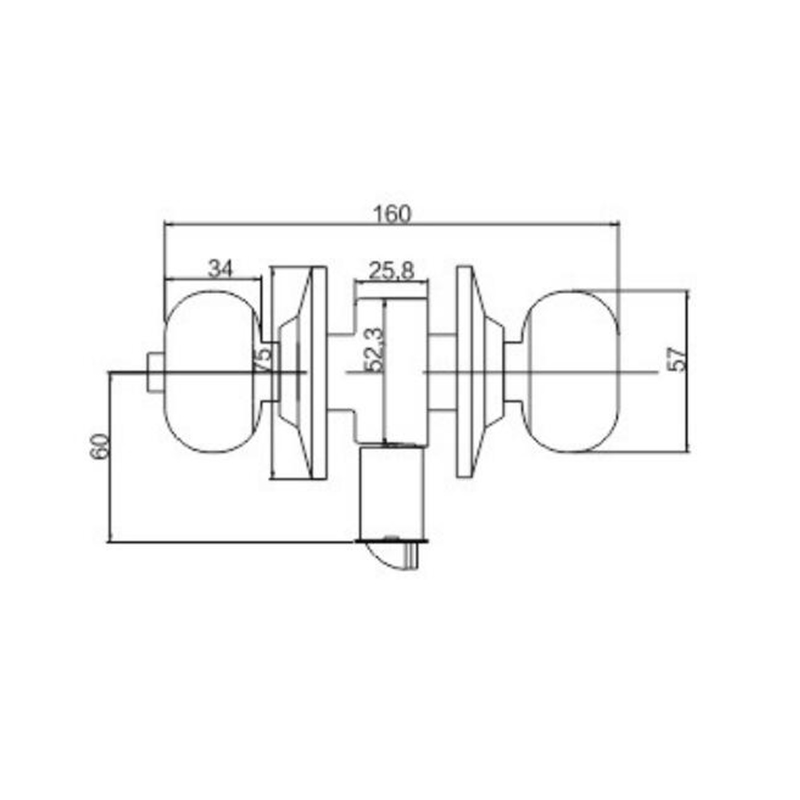
The first step is preparing the door. A standard 2-1/8 inch bore hole is drilled through the door face. A 1 inch latch hole is drilled on the door edge, centered on the bore hole. The latch assembly is inserted into the latch hole, aligned so that the latch bolt faces the strike plate. Two screws secure the latch to the door edge. The exterior knob assembly is then inserted through the bore hole from the outside, and the interior assembly is connected from the inside. Two long screws are inserted through the interior assembly and tightened into the exterior assembly. The installation is completed by attaching the strike plate to the door frame.
Fitting considerations
The latch must be aligned with the strike plate for smooth operation. If the latch does not align, the door may not close or lock properly. The strike plate position can be adjusted, or the hole in the strike plate can be enlarged. The door must close without rubbing against the frame, as friction can cause the latch to stick. The knob must operate freely without binding.
tubular lock installation versus mortise lock installation
- Tubular lock: 15–30 minutes; requires screwdriver and drill; standard bore holes; DIY-friendly
- Mortise lock: 1–2 hours; requires specialized tools; complex mortise pocket; professional installation recommended
The competitive advantages of tubular locks
Entry door knob tubular locksets have largely replaced mortise locks in residential construction. The advantages of entry door knob tubular locksets over traditional mortise locks include lower cost, simpler installation, and easier maintenance.
Cost advantages
The first advantage is cost. Tubular locks are significantly less expensive than mortise locks—typically 50–75 percent cheaper. The manufacturing process is simpler, and the materials are less expensive. The second advantage is installation speed. A tubular lock can be installed in 15–30 minutes by a DIYer. A mortise lock requires professional installation and 1–2 hours of labor. The installation cost differential is substantial.
Maintenance advantages
The third advantage is maintenance. Tubular locks are easier to repair and replace. If a tubular lock fails, the entire unit can be replaced quickly without modifying the door. If a mortise lock fails, the repair is complex and often requires a specialist. The fourth advantage is compatibility. Tubular locks fit standard door preparations, while mortise locks require a pocket cut into the door edge.
tubular locks versus mortise locks
- Tubular locks: lower cost (50–75% less), 15–30 minute installation, DIY-friendly, easier maintenance, standard door preparation, wide availability
- Mortise locks: higher cost, professional installation required, complex repairs, requires mortise pocket in door, traditional appearance, higher security potential
FAQ
Q1: How do I know if a tubular knob lock will fit my door?
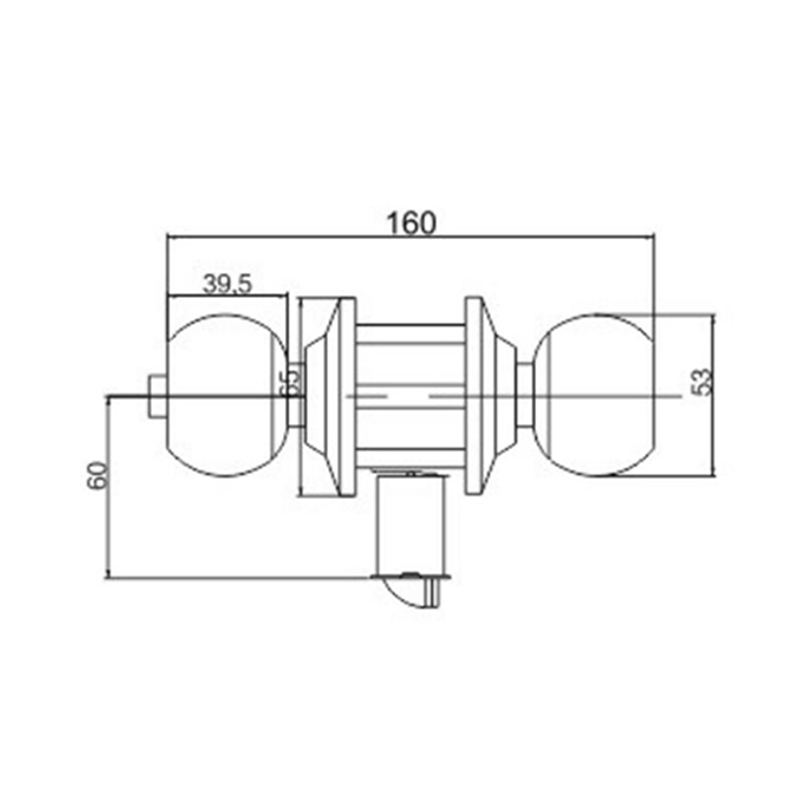
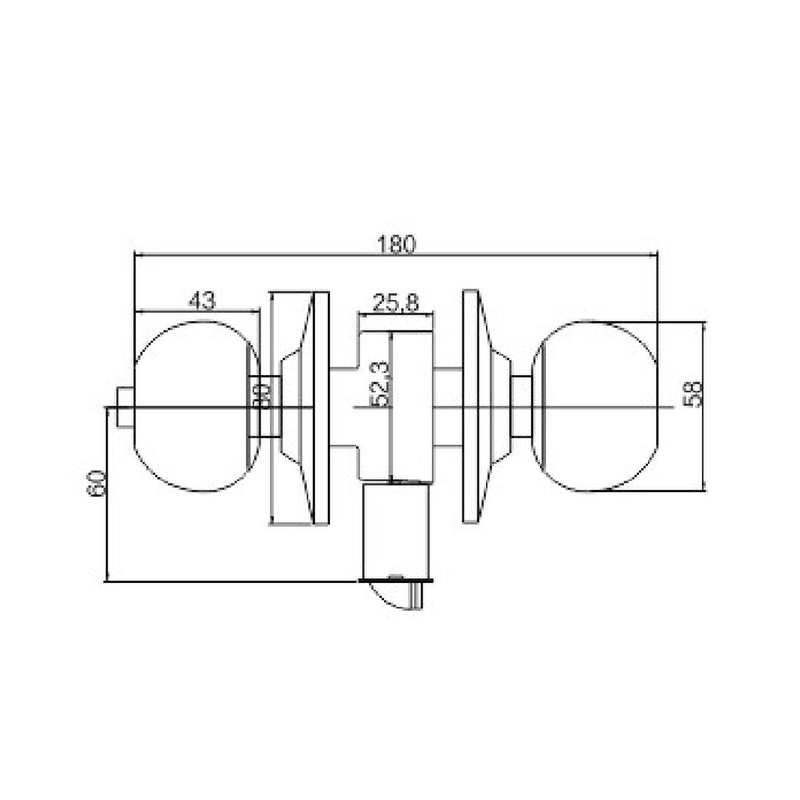
Most tubular knob locks fit standard doors with a 2-1/8 inch bore hole and a 2-3/8 or 2-3/4 inch backset. Check your door's backset (distance from edge to center of bore hole) before purchasing. Most locks have an adjustable latch to fit both common backset sizes.
Q2: What is the difference between Grade 2 and Grade 3 tubular knob locks?
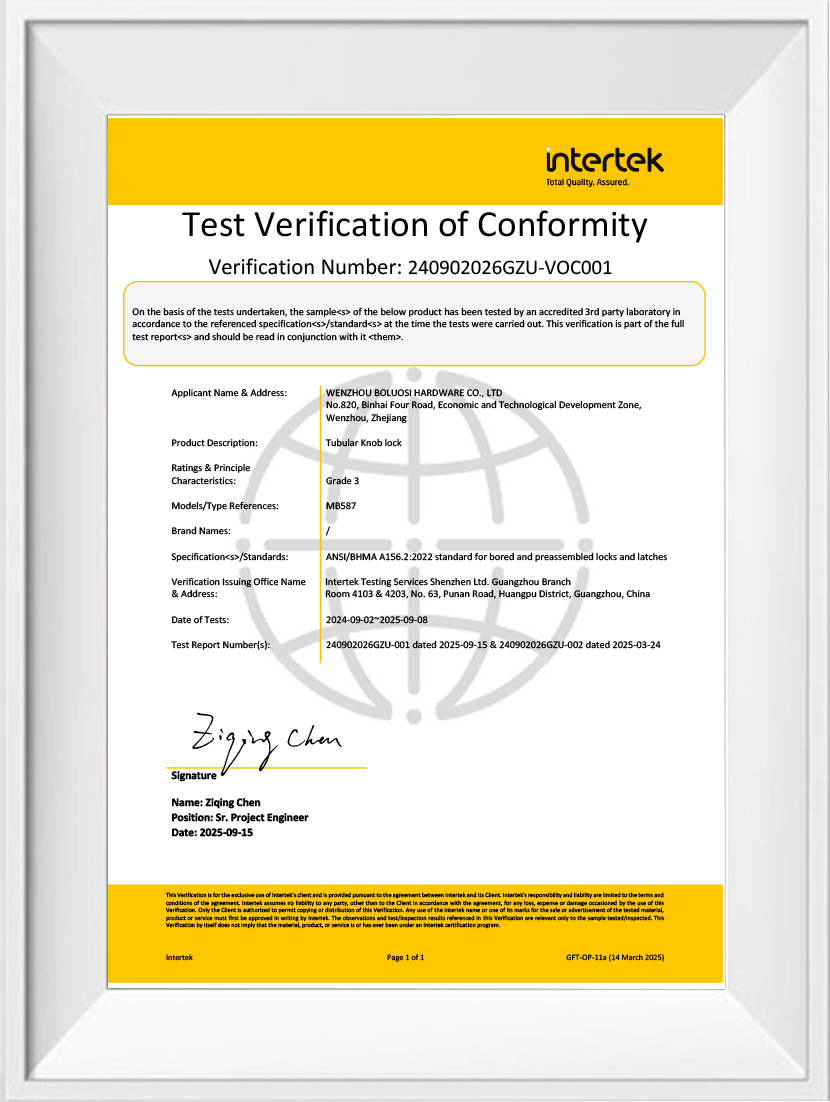
Grade 2 locks are tested to 800,000 cycles and provide good security for residential use. Grade 3 locks are tested to 400,000 cycles and are suitable for low-security interior applications. Grade 2 locks offer better durability and are recommended for exterior doors and high-traffic interior doors.
Q3: Can a tubular lock be installed on a metal door?
Yes, but the installation process differs. Metal doors typically require a specific latch design and may have different bore hole dimensions. Some tubular locks are designed for metal doors and include the necessary hardware. Check the product specifications before purchasing.
Q4: How do I fix a tubular knob lock that is sticking?
Sticking is usually caused by latch misalignment, a worn latch, or lack of lubrication. First, check the latch alignment with the strike plate and adjust if needed. Lubricate the latch with a dry lubricant—graphite or silicone spray—avoiding oil-based products. If the latch is worn, replace it. If the problem persists, the lock should be replaced.
Q5: Are tubular entry locks secure enough for exterior doors?
Yes, Grade 2 or Grade 1 tubular locks provide adequate security for exterior residential doors. For maximum security, use a Grade 2 or Grade 1 deadbolt in combination with the knob lock. The deadbolt provides the primary security, while the knob lock provides convenience.

 English
 русский
 中文简体
中文简体 Español
 عربى
عربى