Door Stoppers and Holders: Precision Placement, Material Durability, and Holding Strength
How Do You Precisely Determine the Installation Location for a Door Stopper?
The importance of precise placement
A door stopper is one of the simplest pieces of hardware in a building, yet its effectiveness depends entirely on where it is installed. A stopper placed too close to the door pivot allows the door to swing too far, potentially hitting walls or adjacent fixtures. A stopper placed too far from the pivot leaves the door vulnerable to wind or accidental force. How you precisely determine the installation location for a door stopper involves measuring door swing, evaluating adjacent surfaces, and accounting for the door's arc of travel.
Measuring door swing and pivot distance
The first step is measuring the door's full swing radius. Stand at the hinge side and watch the door's path as it opens fully. Mark the point on the floor or wall where the door's edge reaches maximum extension. The stopper should be positioned to stop the door just before it contacts any fixed surface, leaving a gap of approximately 1–2 inches for clearance. For floor-mounted stoppers, the location is measured from the hinge pin center: multiply the door width by 0.6–0.7 to find the ideal distance.
Considering floor type and wall clearance
The stopper location must account for floor coverings, baseboards, and wall irregularities. Thick carpet may compress, reducing the stopper's effective height. Baseboards or wall trim may protrude beyond the wall surface, requiring the stopper to be positioned further forward. For wall-mounted stoppers, the stopper's rubber bumper must contact the door at a point that prevents contact with any adjacent hardware.
placement considerations for different stopper types
- Floor-mounted stoppers: requires measuring door swing radius and floor type; best for carpet and hard floors
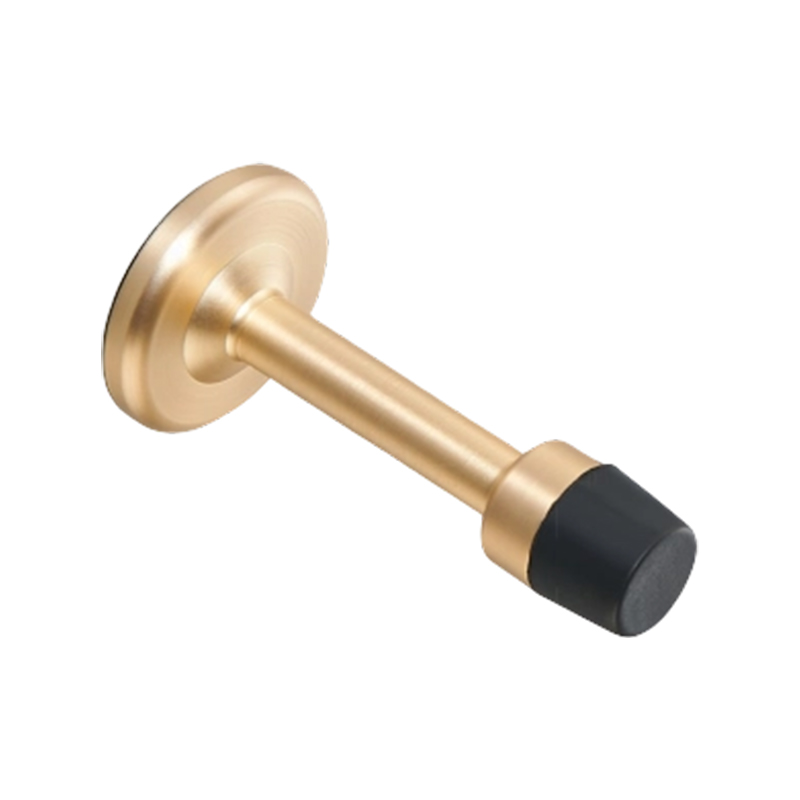
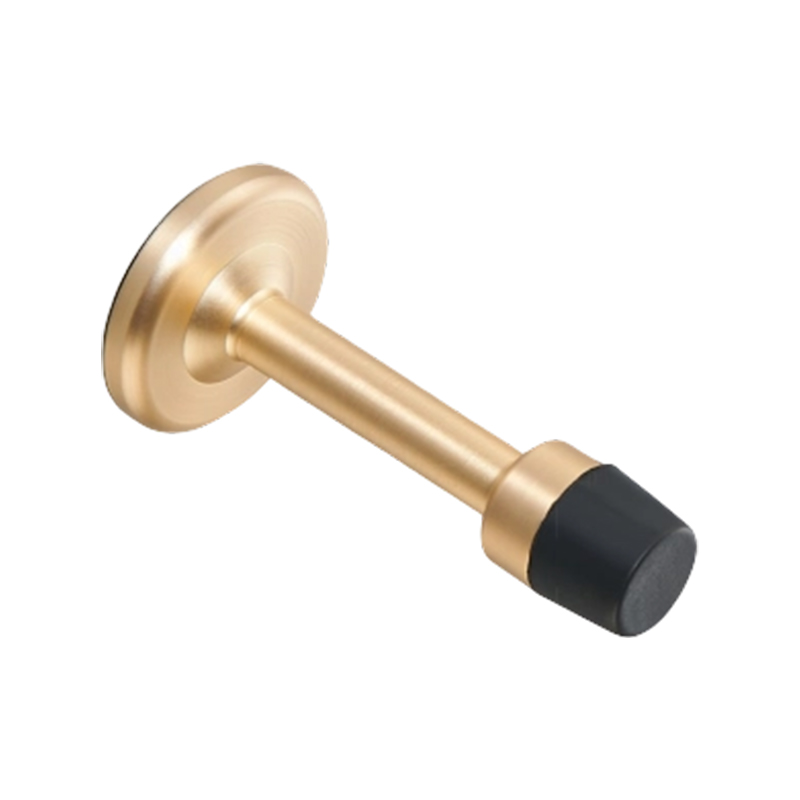
- Wall-mounted stoppers: requires measuring door thickness and wall clearance; best for doors with limited floor space
- Hinge-pin stoppers: attaches to existing hinge pin; requires no floor or wall measurement; limited holding strength
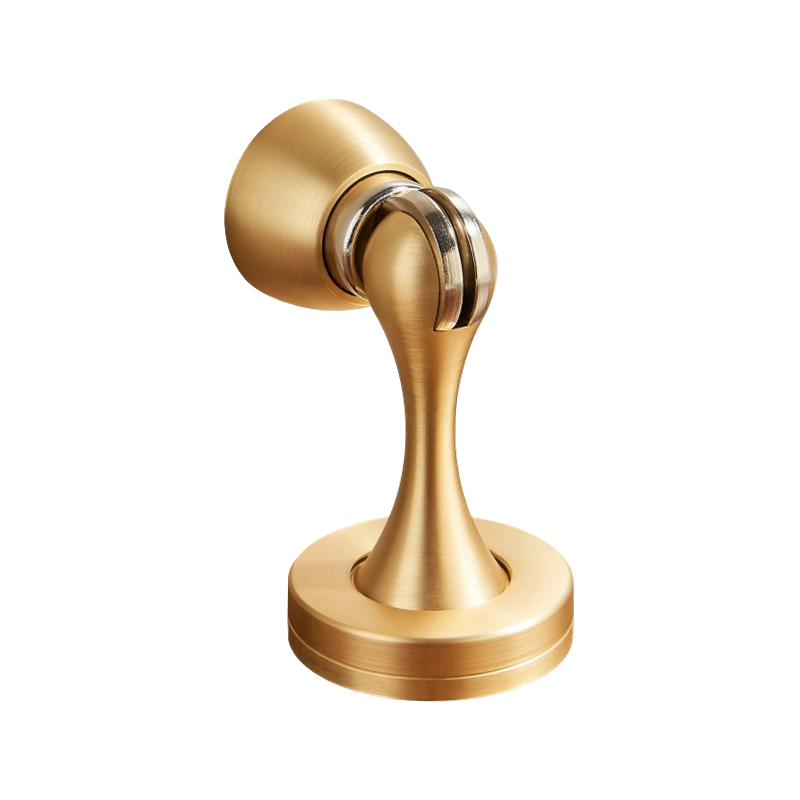
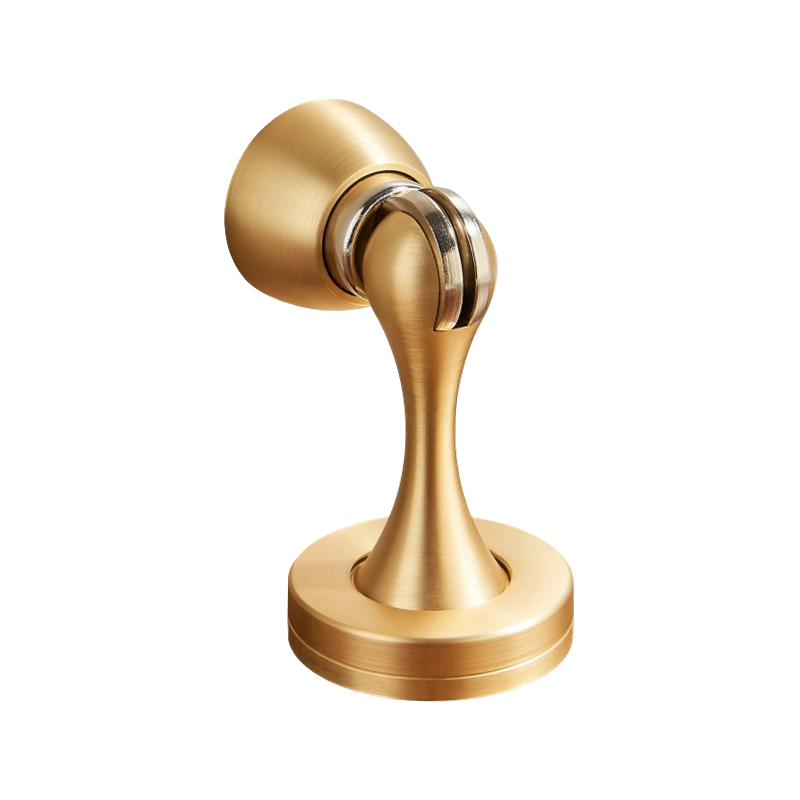
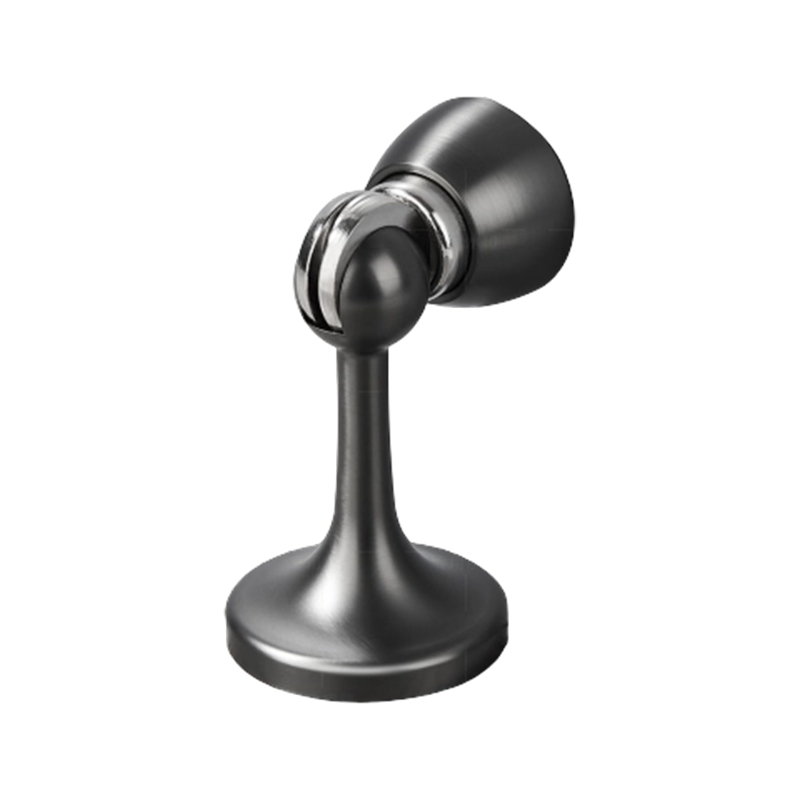
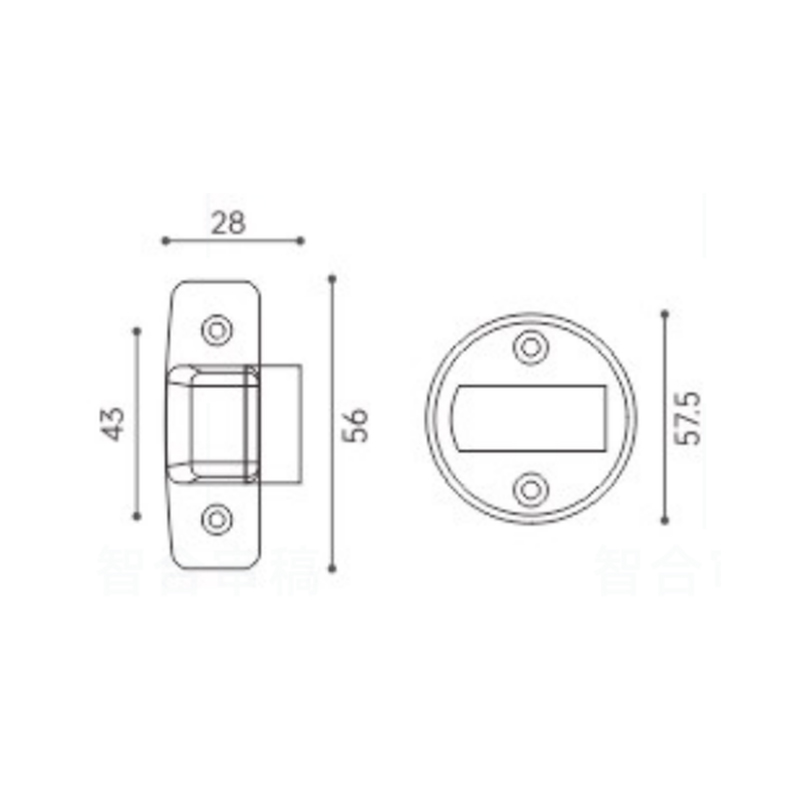
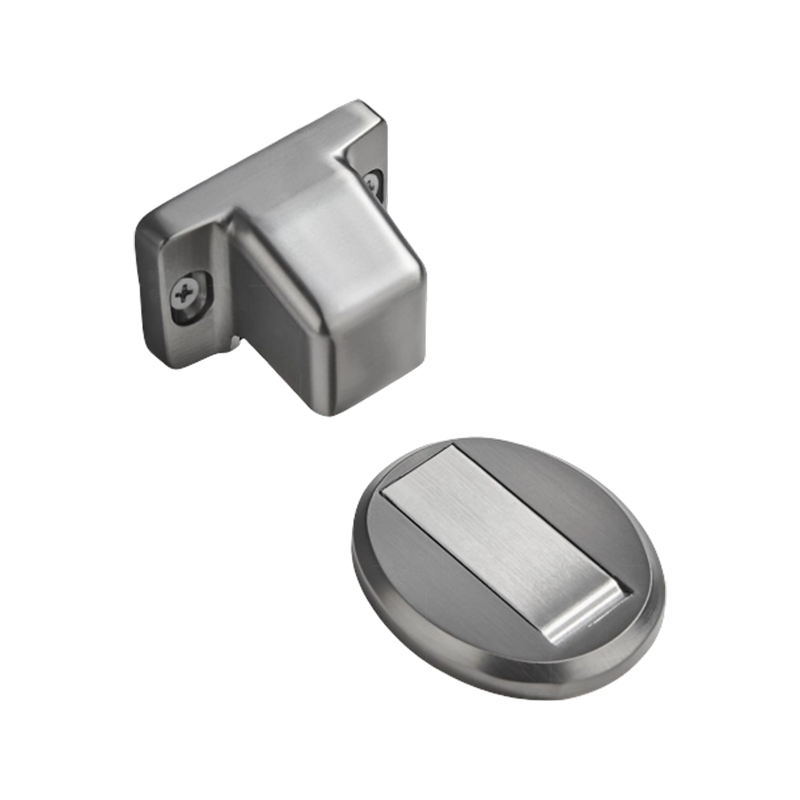
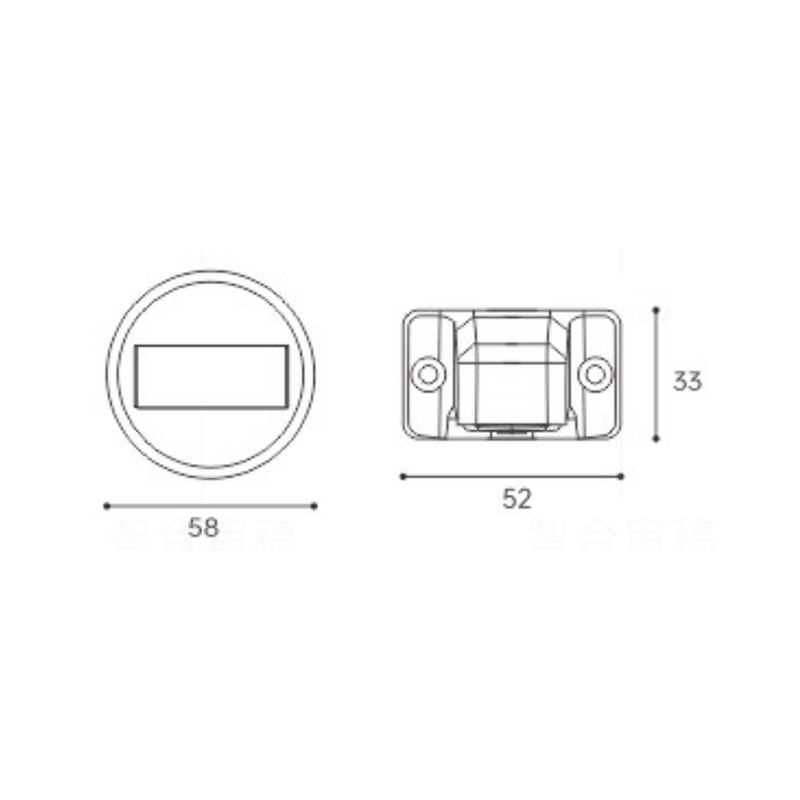
- Magnetic floor holders: requires precise alignment with door-mounted magnet; best for securing doors open
The material requirements for magnetic door holders
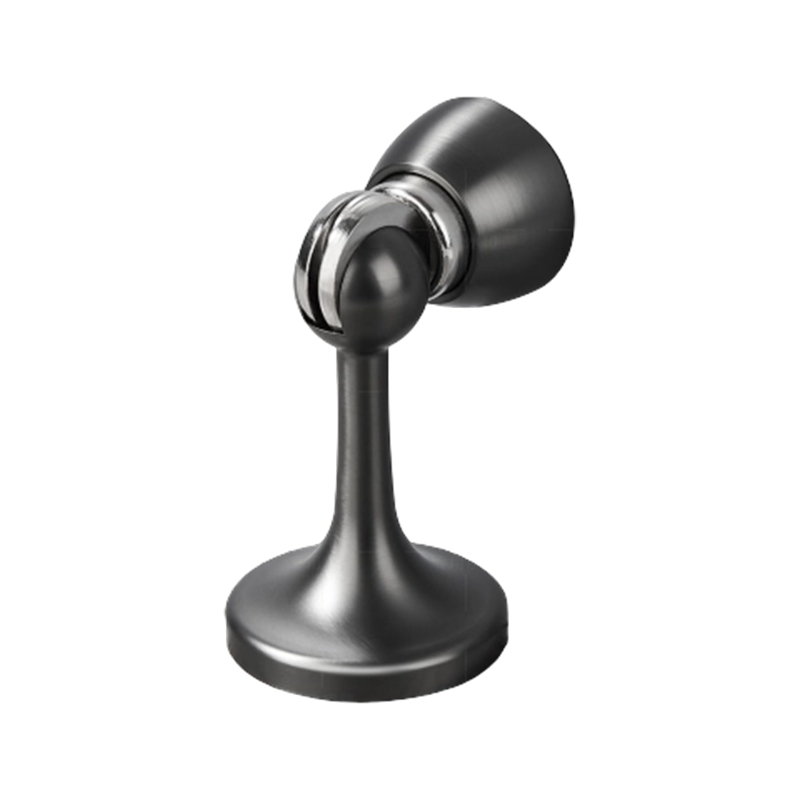
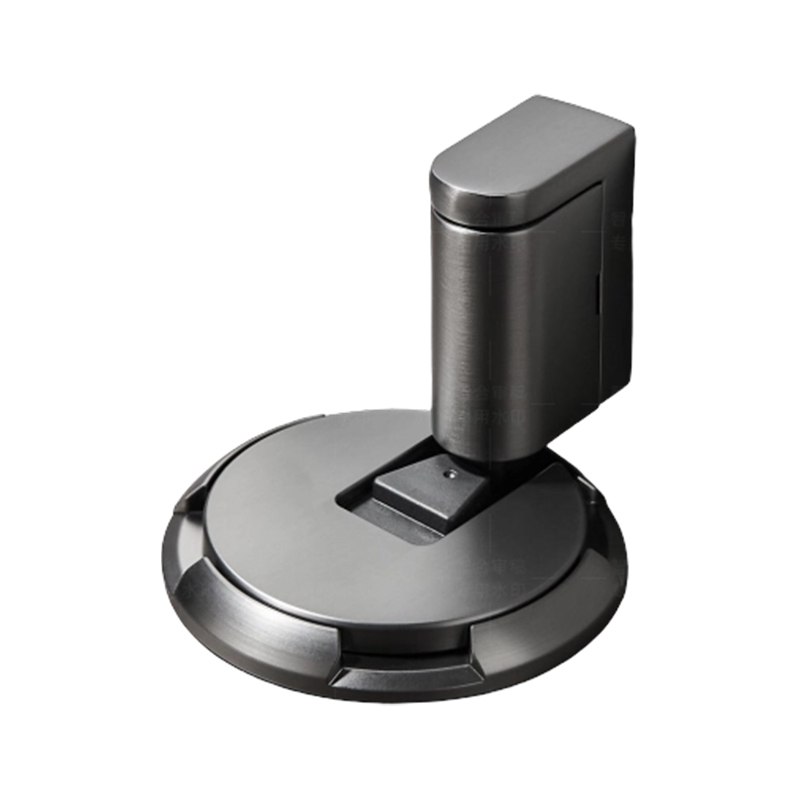
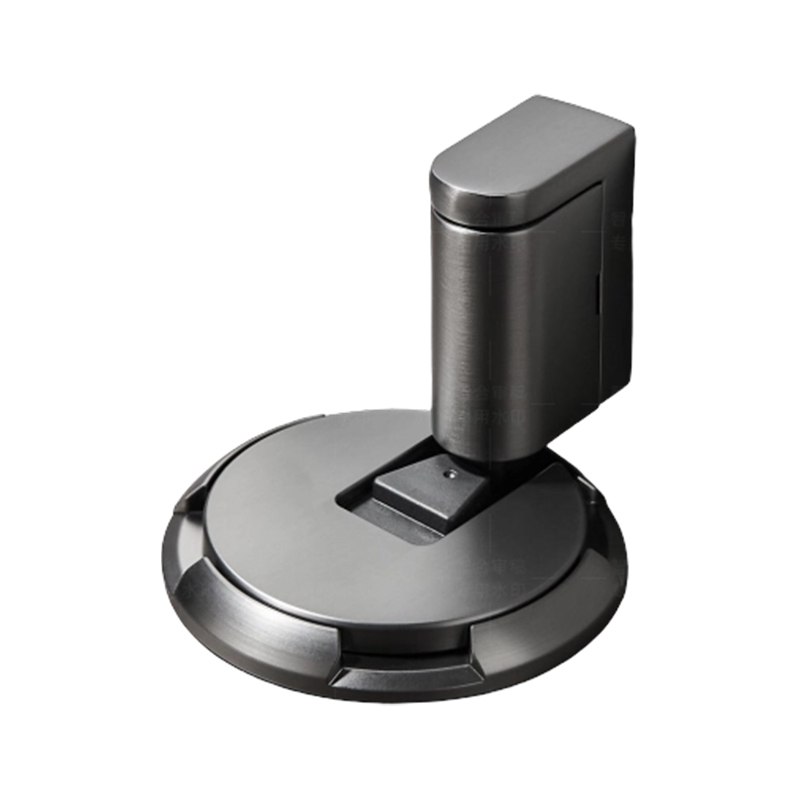
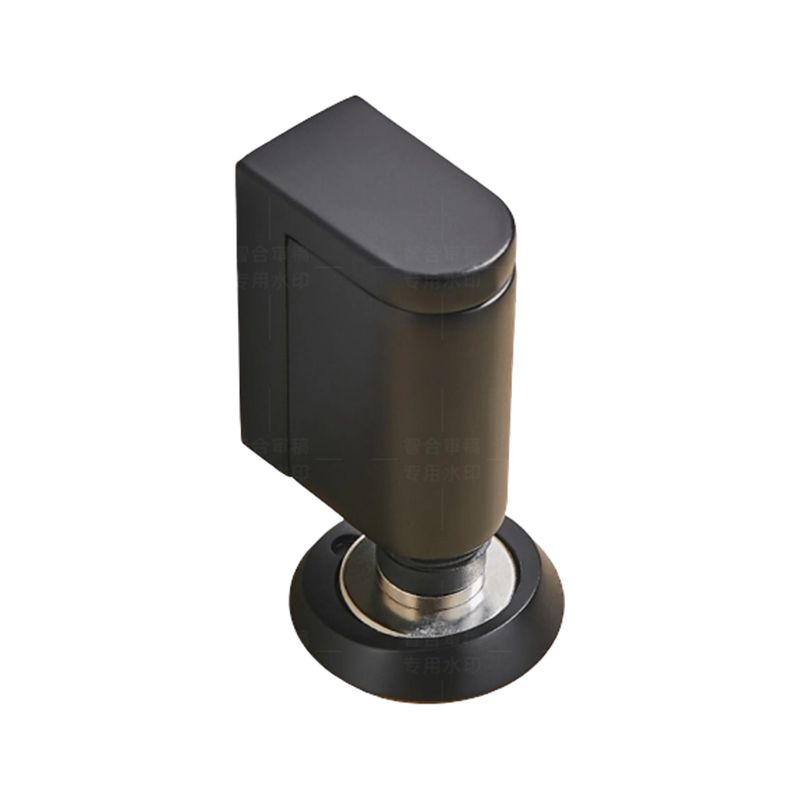
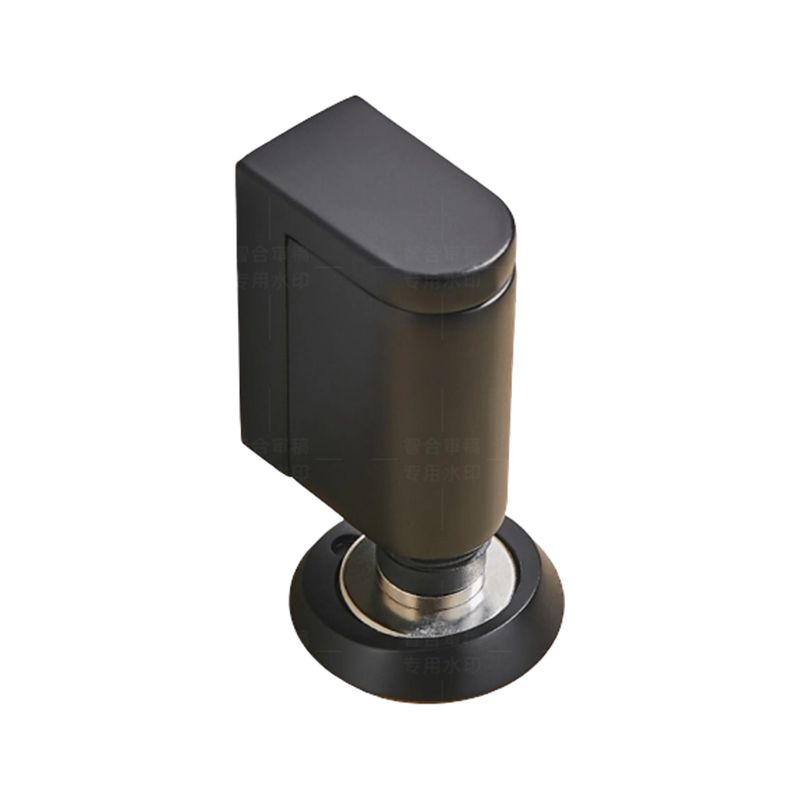
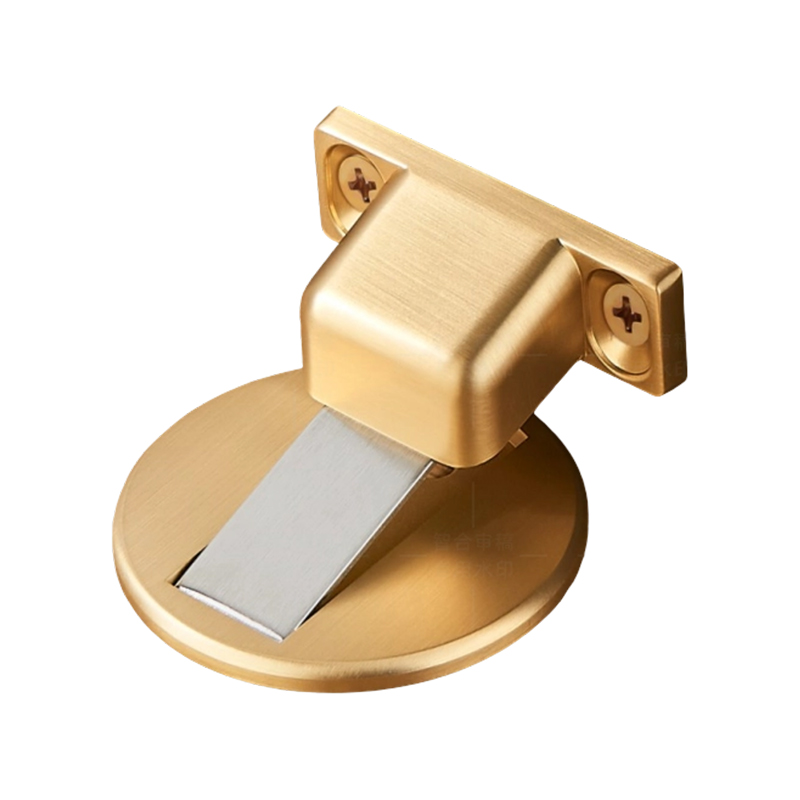
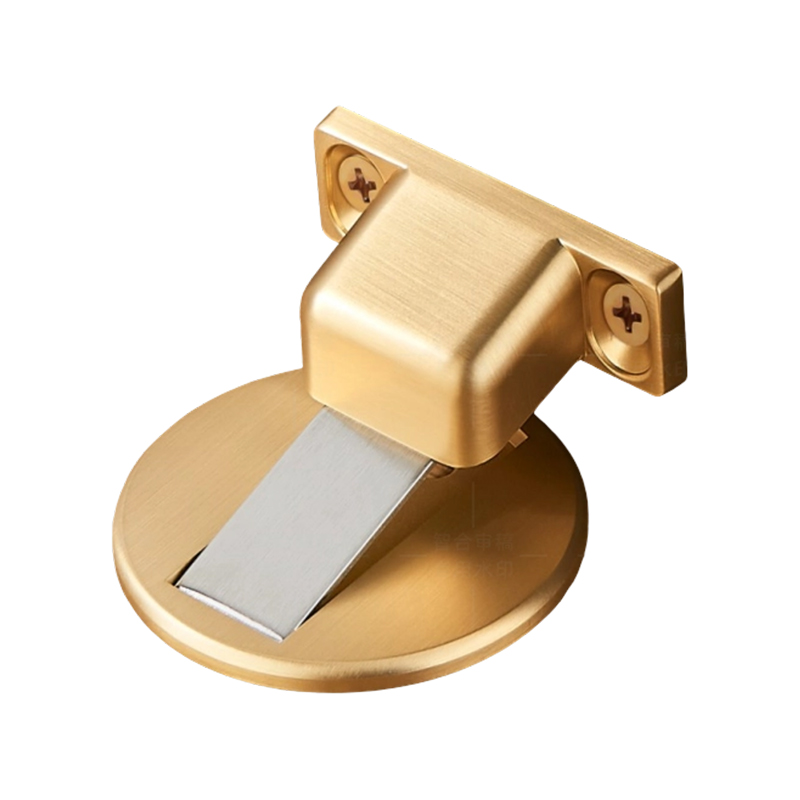
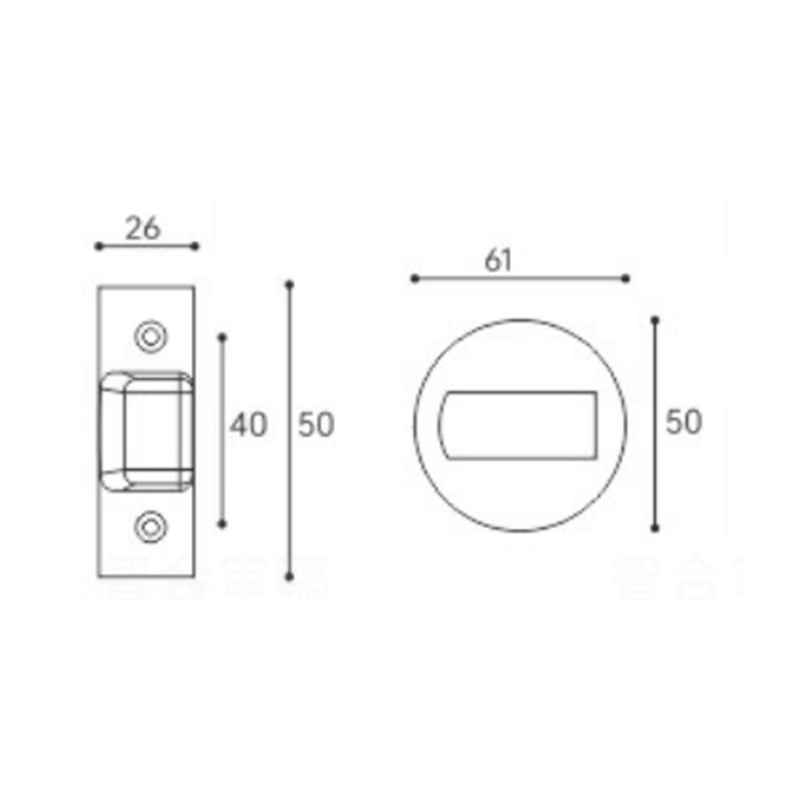
Magnetic floor door stoppers serve a dual function: they stop the door at a predetermined position and hold it securely open using magnetic force. To perform these functions reliably, the components must withstand repeated impact, resist corrosion, and maintain magnetic strength over thousands of cycles. The material durability and rust resistance of magnetic floor door stoppers determine how long the stopper will function in real-world conditions.
Material components of magnetic floor stoppers
The primary body of a magnetic floor stopper is typically made of zinc alloy, stainless steel, or brass. Zinc alloy is common for decorative residential applications, offering good corrosion resistance with an electroplated finish. Stainless steel is preferred for commercial and exterior applications, providing excellent rust resistance without requiring additional coating. The magnet itself is usually a neodymium rare-earth magnet encased in a protective housing, preventing corrosion of the magnetic material.
Rust resistance in different environments
In interior residential applications, zinc alloy magnetic stoppers with a polished or brushed finish provide adequate rust resistance for the life of the building. In bathrooms and kitchens where humidity is high, stainless steel is recommended to prevent surface corrosion. For exterior applications or coastal environments, 304 or 316 stainless steel is essential—the magnet housing must be fully sealed to prevent moisture penetration and subsequent magnet failure.
Table: material comparison for magnetic floor door stoppers
|
Material
|
Durability
|
Rust Resistance
|
Best Application
|
Limitations
|
|
Zinc alloy (plated)
|
Moderate
|
Good with coating
|
Interior, residential
|
Coating wear leads to corrosion
|
|
304 stainless steel
|
Excellent
|
Excellent
|
Interior and exterior
|
Higher cost
|
|
316 stainless steel
|
Excellent
|
Superior
|
Coastal, marine
|
Highest cost
|
|
Brass (lacquered)
|
Moderate
|
Good with lacquer
|
Traditional interiors
|
Lacquer wears over time
|
|
Aluminum (anodized)
|
Good
|
Good
|
Light-duty interior
|
Lower strength; dents easily
|
The holding function of magnetic door holders
A floor mounted magnetic door holder is more than a stopper—it is a retention device designed to secure an open door in position. Unlike a simple rubber stopper that only prevents over-swing, a magnetic holder actively grips the door. Whether a floor mounted magnetic door holder can securely hold the door in place depends on magnet strength, installation precision, and environmental factors.
How magnetic door holders work
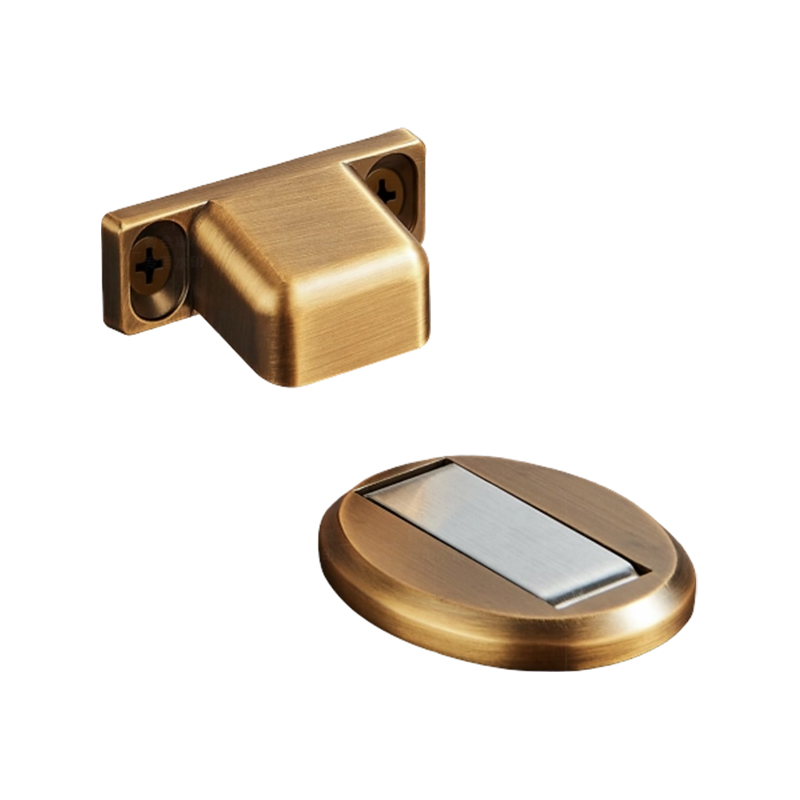
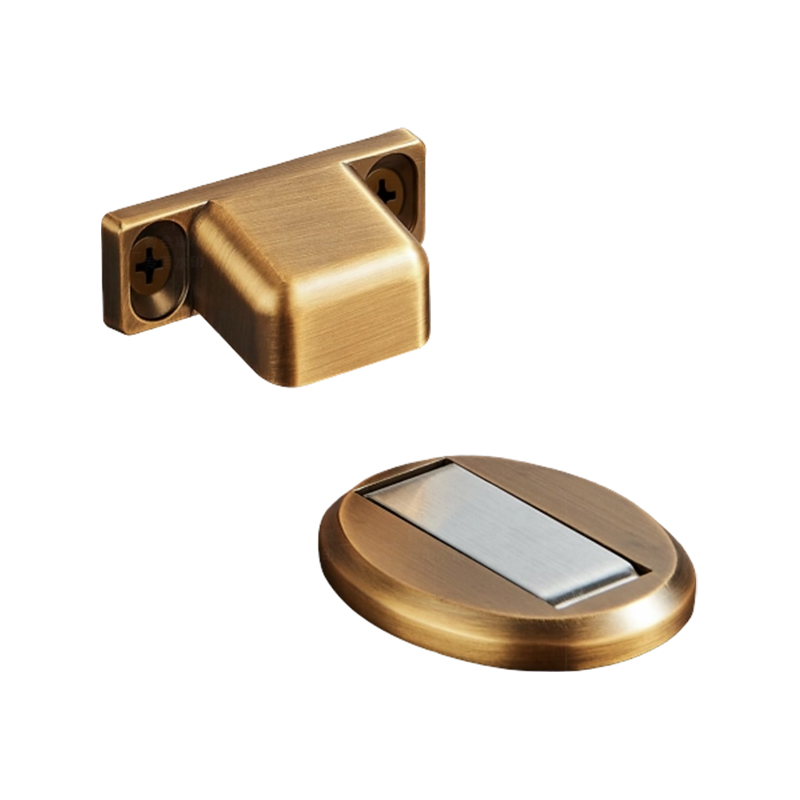
The holder consists of two components: a floor-mounted base containing a powerful magnet and a door-mounted steel plate. When the door opens to the designated position, the steel plate contacts the magnet, creating a holding force. The holding force is measured in kilograms or newtons. Typical residential magnetic holders provide 5–15 kg of holding force, while commercial holders can exceed 25 kg. The holding force is sufficient to resist drafts, gentle door movement, and minor building vibration.
Factors affecting holding security
Several factors affect holding security. The first is magnet strength. A weak magnet will not secure the door. The second is alignment—the steel plate must contact the magnet squarely for maximum holding force. The third is door weight. A heavy solid-core door requires a stronger magnet than a hollow-core interior door. The fourth is environmental conditions—wind, vibration, or slamming doors elsewhere in the building can dislodge a door from a magnetic holder.
magnetic door holders versus mechanical door stops
- Magnetic door holders: active holding force; holds door securely open; releases with gentle push; requires precise alignment
- Friction door stops: passive resistance; holds door open by friction; no magnetic parts; less secure with vibration
- Rubber stoppers: passive stopping only; does not hold door open; simple; reliable; no alignment needed
- Hook-and-eye holders: mechanical hold; secures door open; requires manual engagement; visible hardware
FAQ
Q1: What is the ideal distance for placing a floor-mounted door stopper?
The ideal distance from the hinge pin is approximately 60–70 percent of the door width. For a 36-inch door, the stopper should be placed 22–25 inches from the hinge pin. This position stops the door before it contacts the wall while providing a full 85–90 degree opening angle.
Q2: Can magnetic door holders be adjusted after installation?
Some magnetic door holders feature adjustable positioning, allowing the door-mounted plate to be moved slightly to achieve perfect alignment. Most designs have a fixed magnet position, so adjustment is limited to the plate's mounting slots. For maximum holding force, ensure the plate contacts the magnet squarely.
Q3: How does carpet thickness affect floor-mounted stopper installation?
Carpet thickness affects the effective height of the stopper. The stopper must be tall enough to clear the carpet and contact the door at the correct point. If the stopper is too short, the door may hit the carpet or pass over the stopper. Some floor stoppers have height-adjustable bases for different floor coverings.
Q4: Are magnetic door holders suitable for exterior doors?
Magnetic door holders can be used on exterior doors if they are made of corrosion-resistant materials—typically 304 or 316 stainless steel. The holding force must be sufficient to resist wind forces. For high-wind areas, mechanical latch-based door holders may provide more secure retention than magnetic units.
Q5: How do I know if a magnetic door holder has sufficient holding force?
A simple test: after the door is secured in the holder, apply increasing pressure to the door edge. If the door releases at a slight push, the magnet is too weak. A properly sized holder should hold the door against moderate pressure—enough to resist draft and light foot traffic—but release when intentionally pulled with moderate force.

 English
 русский
 中文简体
中文简体 Español
 عربى
عربى