The Architecture of Security: Door Lock Body Quality, Durability, and the Critical Importance of Cylinder Compatibility
What Factors Determine the Material Quality and Durability of a Door Lock Body?
The lock body's role in security and longevity
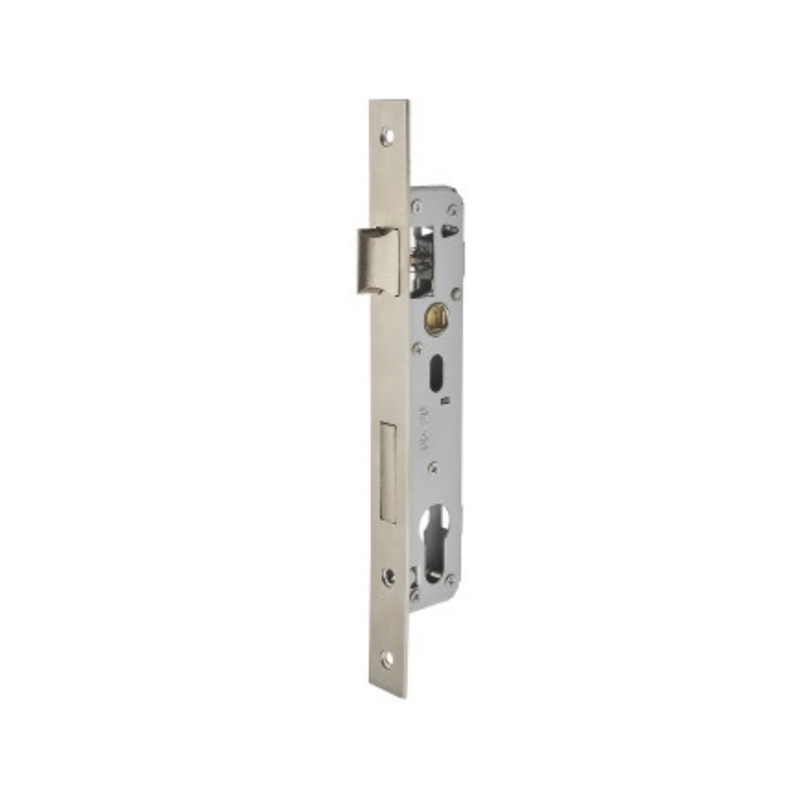
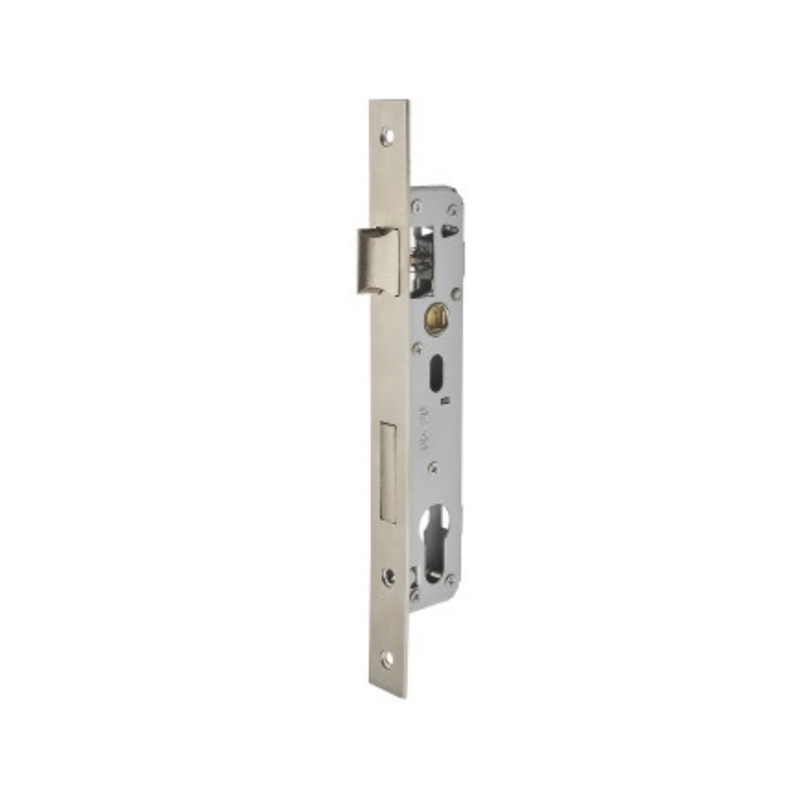
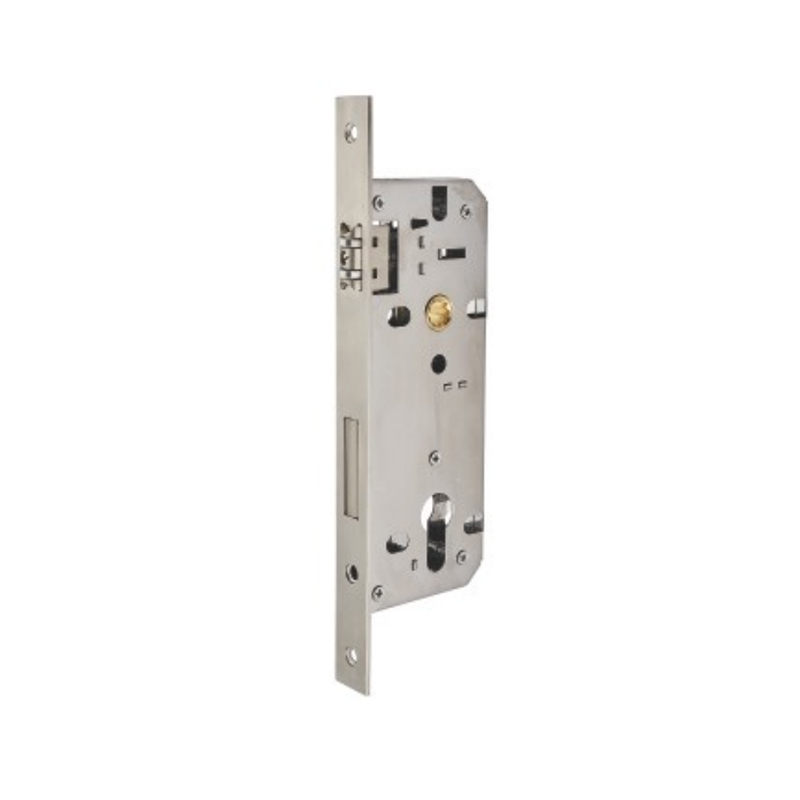
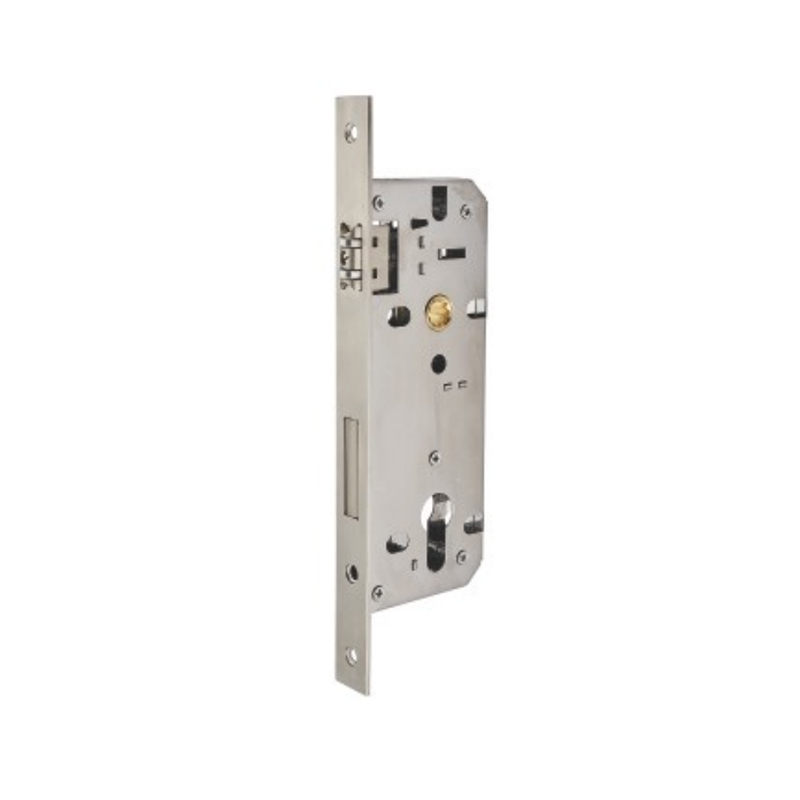
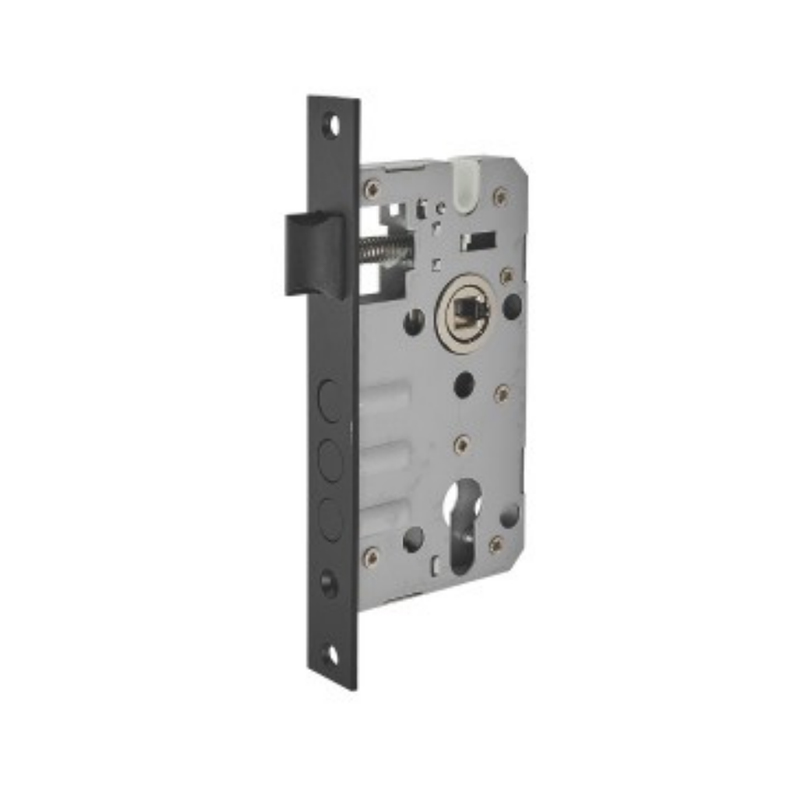
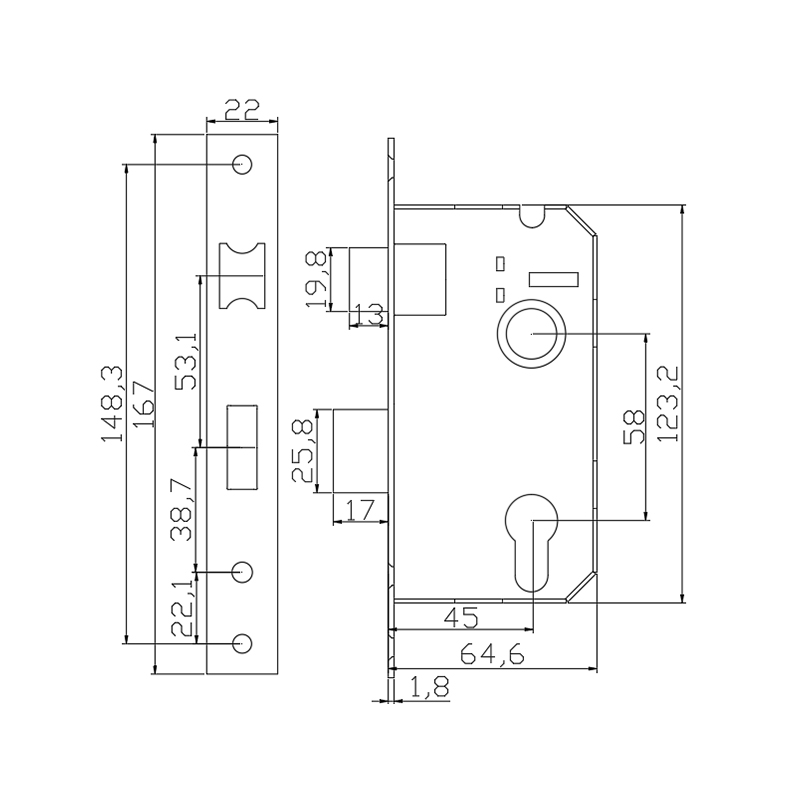
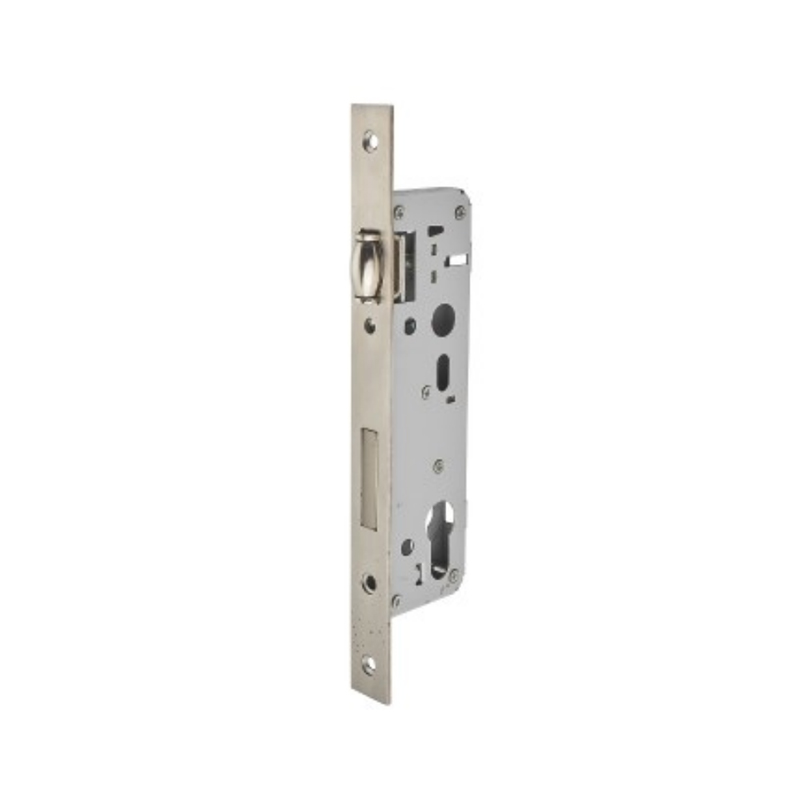
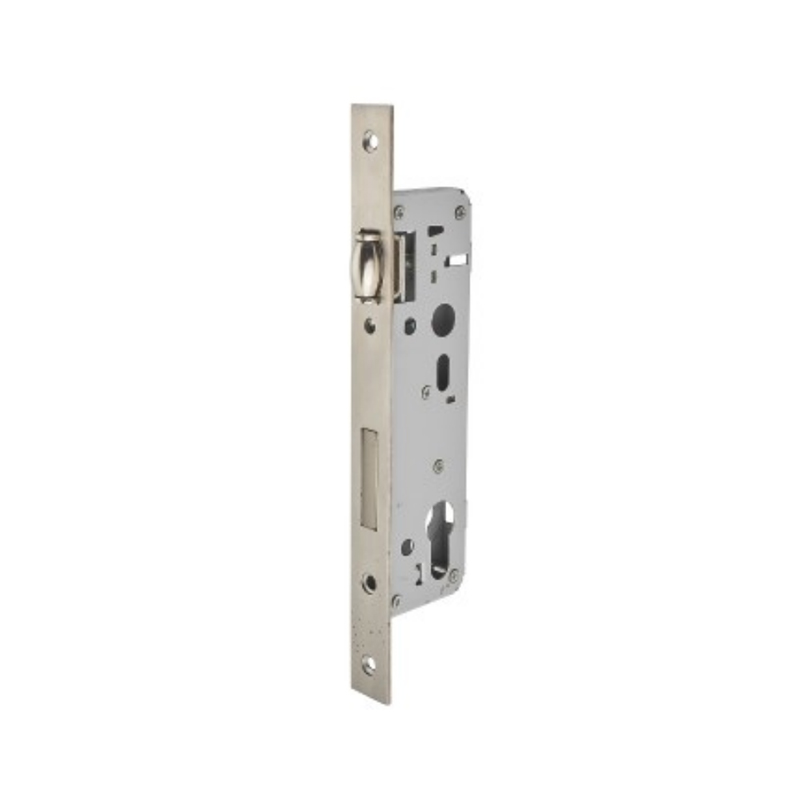
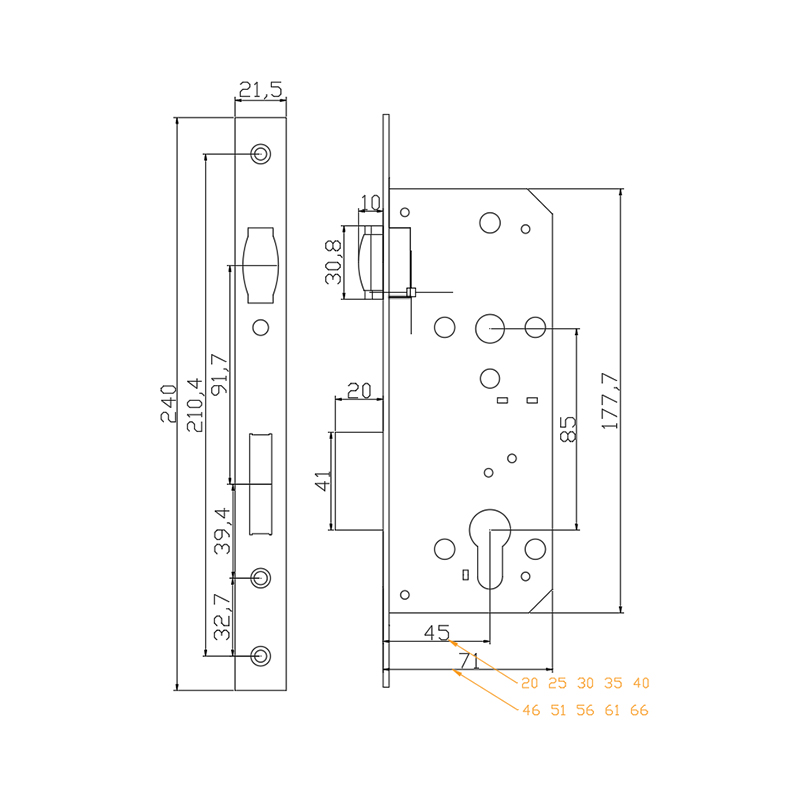
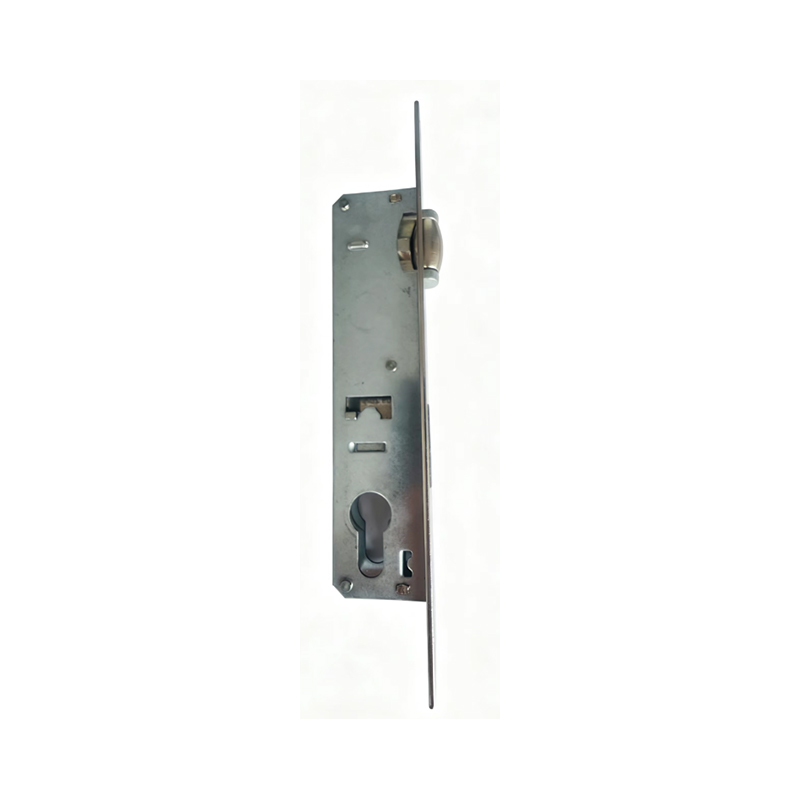
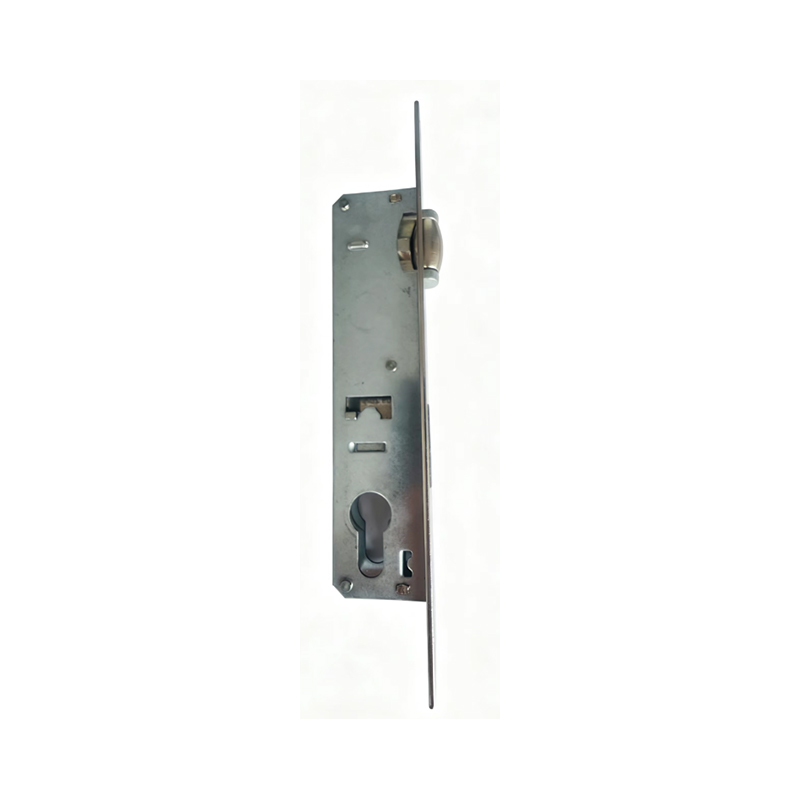
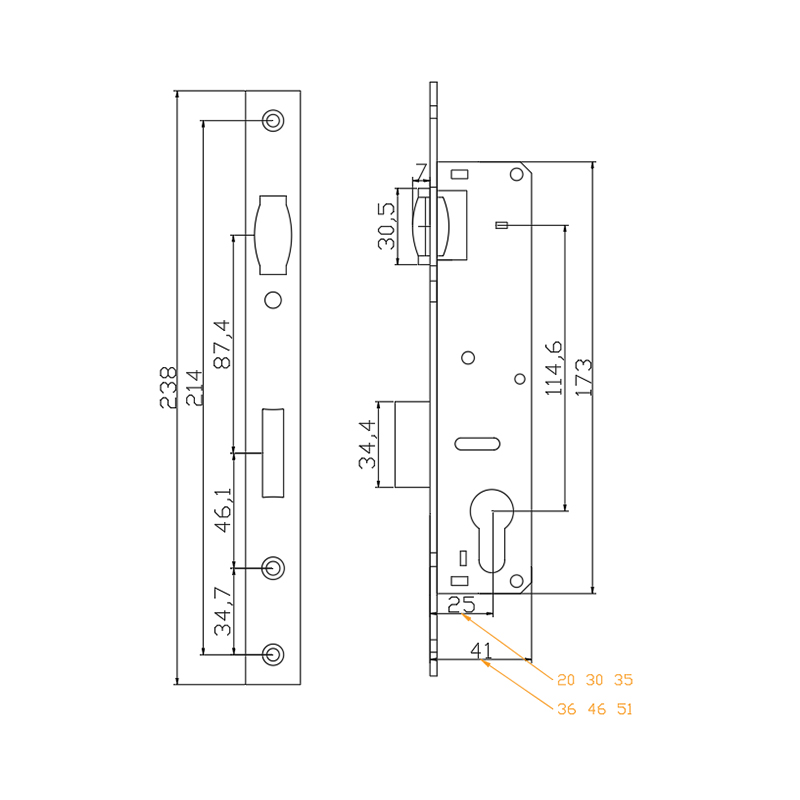
The lock body is the central mechanism of any locking system. It is the component that houses the deadbolt, latch, and internal springs—the parts that physically secure a door. While the cylinder receives the key and validates access, it is the lock body that provides the actual physical barrier. What factors determine the material quality and durability of a door lock body involves an understanding of materials, construction methods, and performance testing.
Material selection and construction
The primary material determines the lock body's strength and corrosion resistance. Brass lock bodies offer excellent corrosion resistance and are the standard for residential hardware. They have good tensile strength and machine well for precision components. Steel lock bodies offer superior strength and resistance to prying and impact. They are preferred for commercial and high-security applications. Zinc alloy lock bodies are commonly used in budget locks. They are lightweight and offer moderate strength, but they are less durable than brass or steel. The thickness of the lock body—typically 10–15 millimeters—directly correlates to strength. Thicker bodies resist prying and forced entry attempts.
Performance testing and grade certification
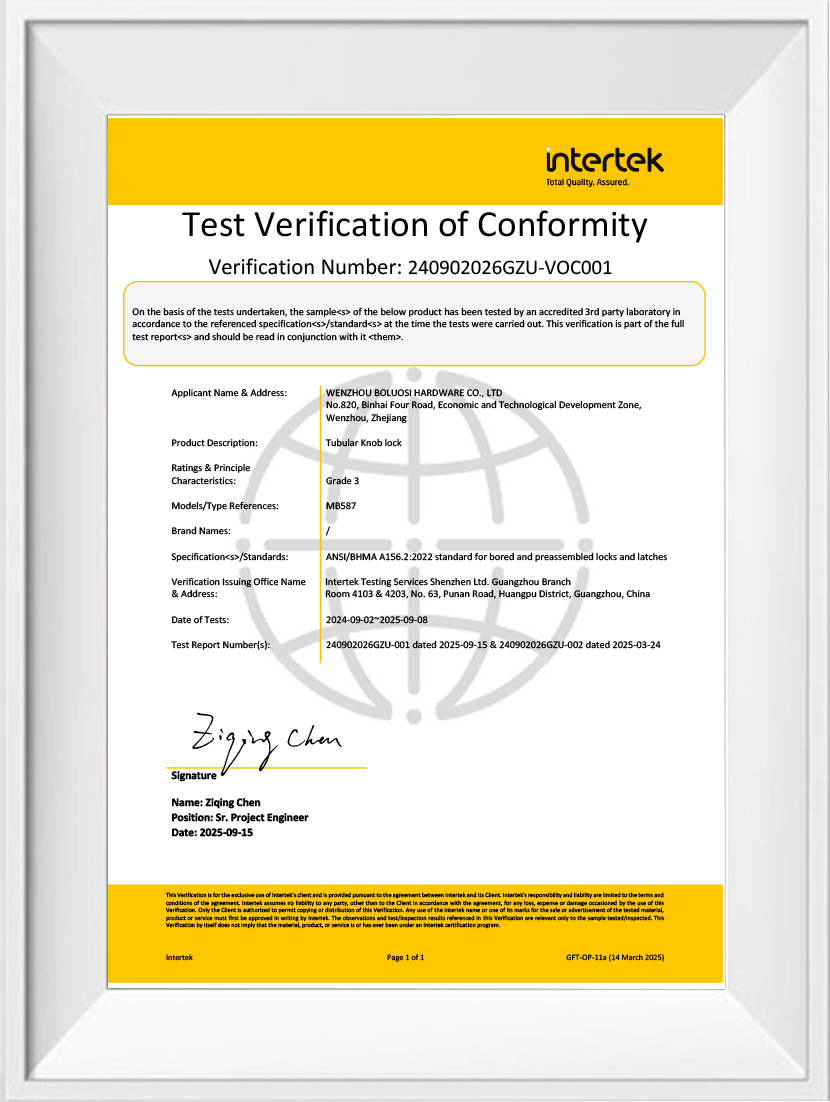
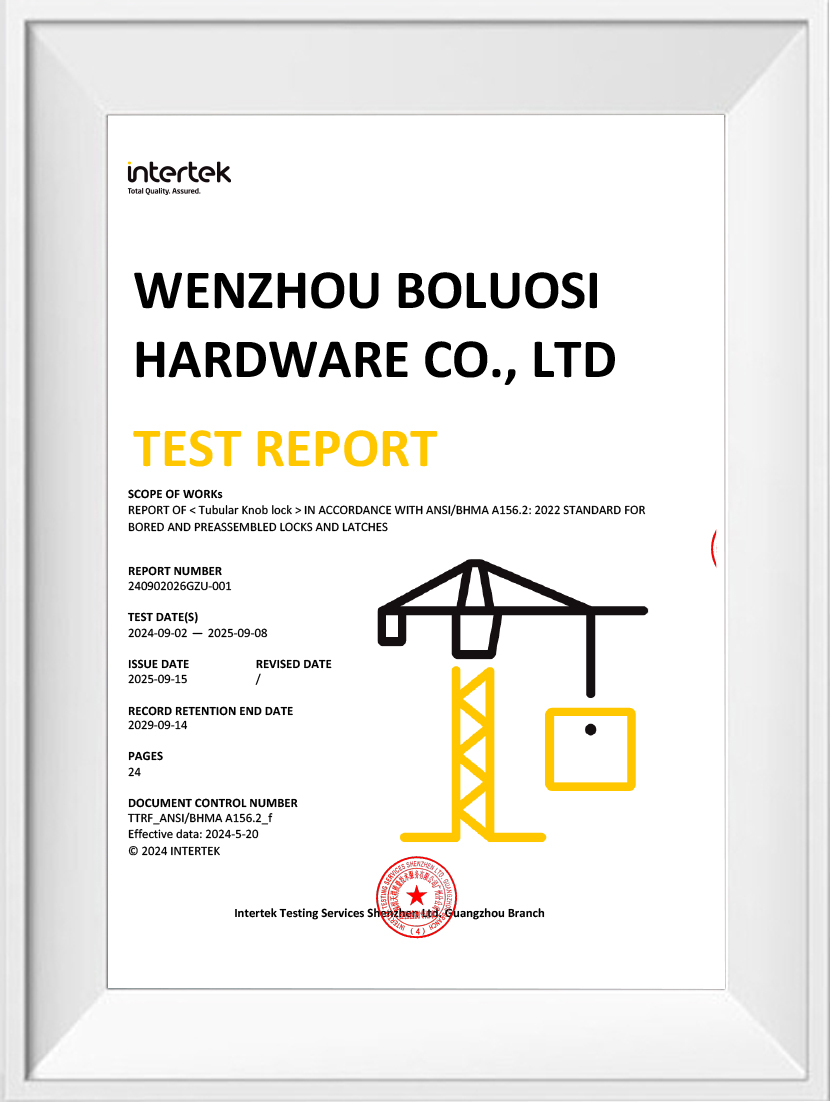
ANSI/BHMA grade testing provides a standardized measure of lock durability. Grade 1 locks are tested to 1 million cycles, the highest standard for commercial and high-security residential applications. Grade 2 locks are tested to 800,000 cycles. Grade 3 locks are tested to 400,000 cycles, suitable for basic residential use. The lock body must also resist impact tests and strength tests. The hardware finish must pass corrosion tests to maintain appearance over time.
Table: material quality and durability factors for door lock bodies
|
Factor
|
Brass Lock Body
|
Steel Lock Body
|
Zinc Alloy Lock Body
|
How It Affects Durability
|
|
Tensile strength
|
Good (200–300 MPa)
|
High (400–600 MPa)
|
Moderate (200–250 MPa)
|
Higher strength resists prying and impact
|
|
Corrosion resistance
|
Excellent
|
Good (with coating)
|
Moderate
|
Brass and coated steel resist humidity; zinc may corrode without protective finish
|
|
Weight
|
Heavy
|
Heavy
|
Light
|
Weight is an indicator of material density and strength
|
|
ANSI grade capability
|
Grade 1, 2, 3
|
Grade 1, 2
|
Grade 2, 3
|
Higher grade indicates higher durability and cycle life
|
|
Manufacturing precision
|
Excellent (machinable)
|
Good (machinable)
|
Good (castable)
|
Precision affects smooth operation and longevity
|
|
Cost
|
High
|
Moderate
|
Low
|
Higher cost generally indicates higher quality materials
|
|
Best application
|
Residential, exterior
|
Commercial, high-security
|
Budget residential, interior
|
Match material to application for optimal lifespan
|
The compatibility challenge
A single mortise lock cylinder is a component designed to fit into a specific lock body. But "compatible" is not automatic—cylinders come in different sizes, cam shapes, and security levels. Why the compatibility of single mortise lock cylinders and related hardware accessories is crucial is that mismatched components can compromise security, prevent proper installation, and create maintenance difficulties.
The components that must be compatible
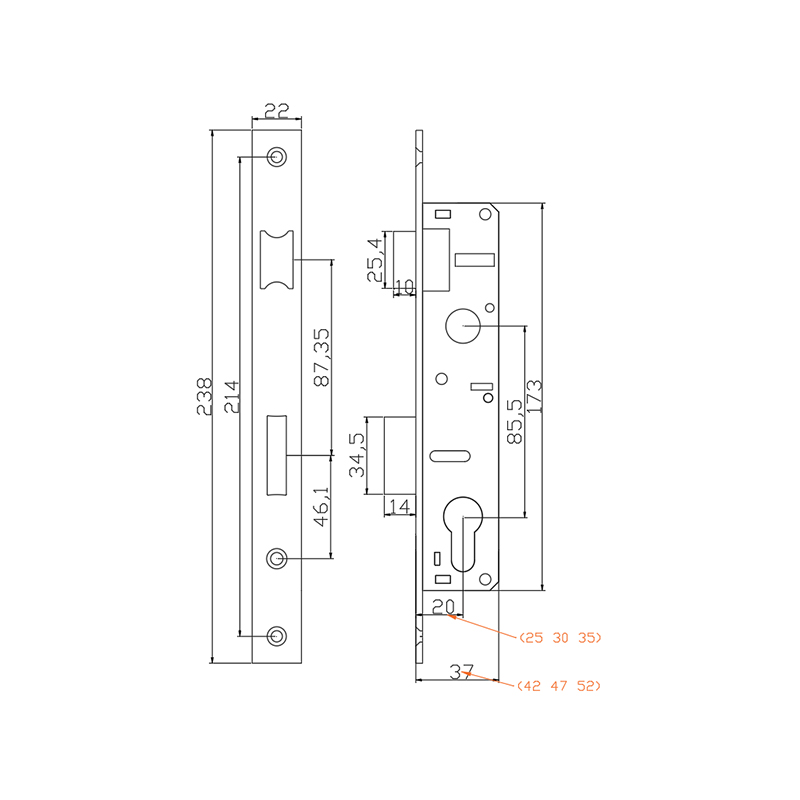
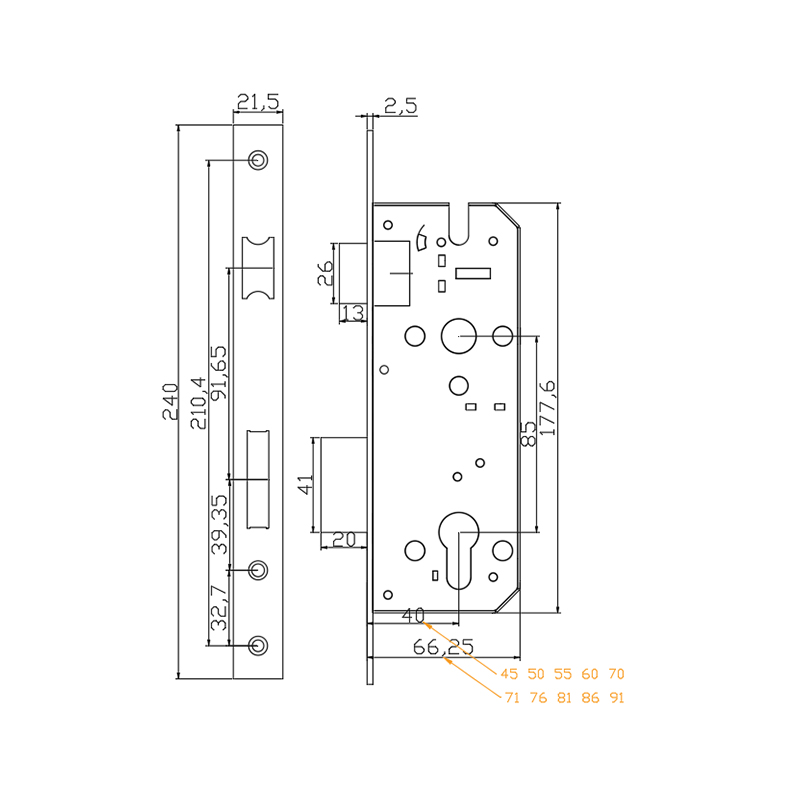
The cylinder must fit the lock body in terms of size and shape. The cylinder's length must match the door thickness. The cam—the part that rotates and engages the lock body—must be the correct shape and position for the specific lock body design. The screw that secures the cylinder must have the correct length and diameter for the lock body. The cylinder must also match the hardware's finish to maintain a consistent appearance. Mismatched components may cause the cylinder to protrude, the lock to operate incorrectly, or the installation to fail.
Security implications of incompatibility
A compatible cylinder ensures the lock mechanism operates properly, providing complete security. An incompatible cylinder may not engage the lock mechanism correctly, leaving the door vulnerable. A poorly fitted cylinder can be manipulated more easily, reducing security. An incompatible cylinder may be weaker at the connection point, allowing forced entry.
compatible versus incompatible cylinder installations
- Compatible installation: proper cylinder fit; correct cam engagement; smooth operation; full security; easy maintenance
- Incompatible installation: misfit cylinder; incorrect cam; sticking or jamming; reduced security; maintenance difficulties
FAQ
Q1: What is the most durable material for a door lock body?
Steel lock bodies offer the highest durability, particularly for commercial and high-security applications. They resist prying and impact better than brass or zinc alloy. For residential applications, brass lock bodies provide excellent durability with superior corrosion resistance.
Q2: How can I tell if a cylinder is compatible with my lock body?
Check the cylinder profile (Euro, rim, etc.) and the cam type with the lock body manufacturer's specifications. Measure the cylinder length to ensure it matches your door thickness. For mortise locks, the cam shape and position must match the lock body design. Consult the manufacturer's compatibility guide if unsure.
Q3: What are the costs of an incompatible cylinder installation?
Incompatible installations can lead to lock failure, reduced security, damage to the door, and additional locksmith costs. In some cases, incompatible cylinders can be exchanged, but often they must be replaced. The total cost of correction may be significantly higher than the original cylinder purchase.
Q4: Can you mix different brands of cylinders and lock bodies?
Yes, cylinders and lock bodies from different brands can be compatible if they follow the same standards and design specifications. However, compatibility is not guaranteed across brands. Always verify that the cylinder profile, length, and cam type match the lock body specifications. Consulting a professional locksmith may be advisable for cross-brand installations.
Q5: Does a compatible cylinder affect security?
Yes, a compatible cylinder is essential for security. A correctly fitted cylinder engages the lock mechanism fully, providing maximum resistance to forced entry. An incompatible cylinder may not engage the lock correctly, leaving the door vulnerable to manipulation and reducing the lock's overall security effectiveness.

 English
 русский
 中文简体
中文简体 Español
 عربى
عربى