The Anatomy of Lock Security: Cylinder Materials, Mortise Lock Bodies, and the Euro Cam Mechanism
What Is the Truly Secure Material for a Door Lock Cylinder?
The role of cylinder material in lock security
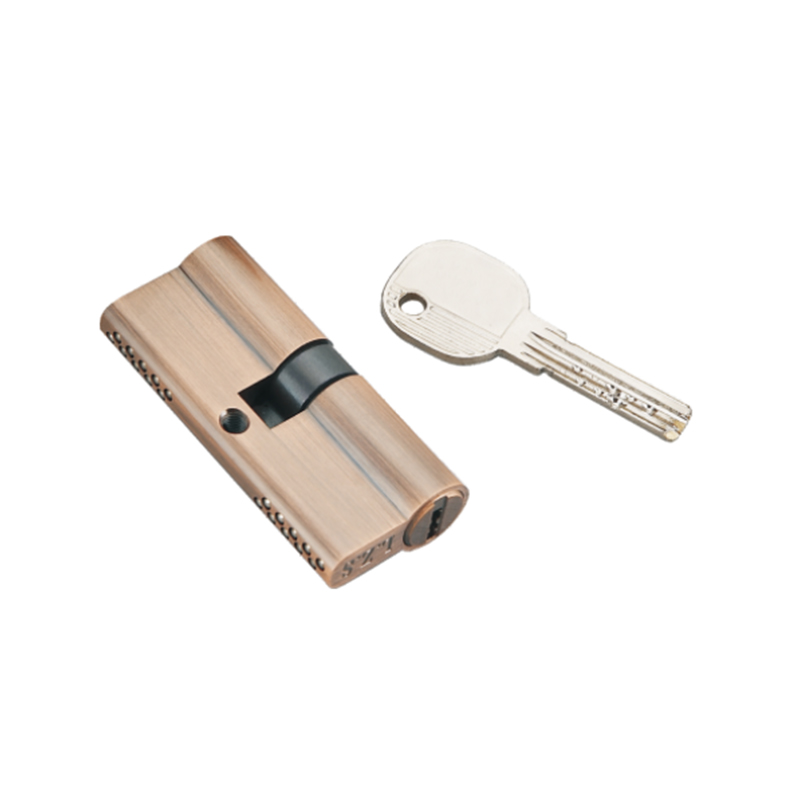
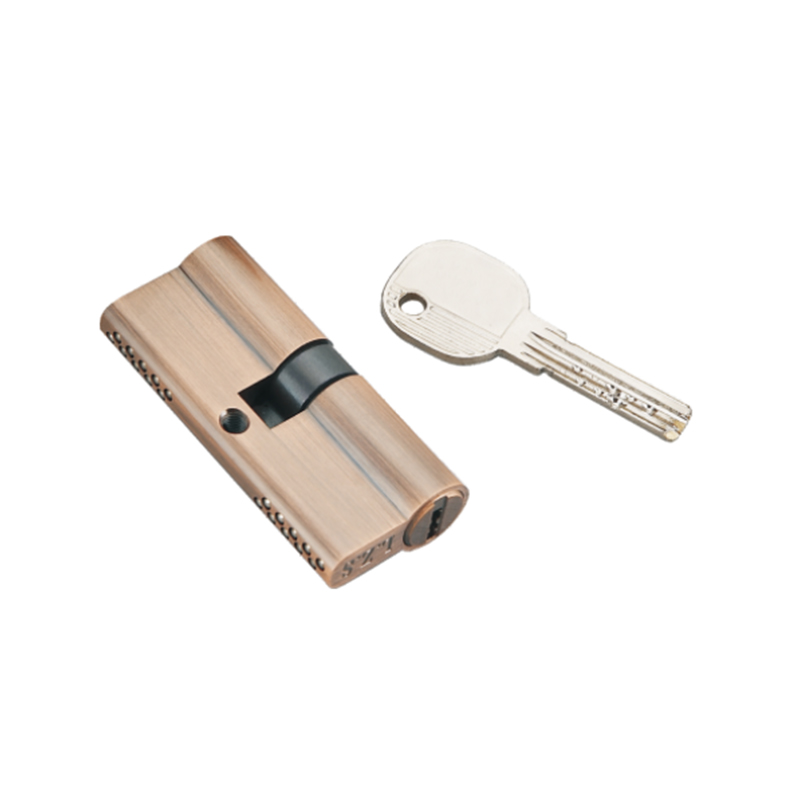
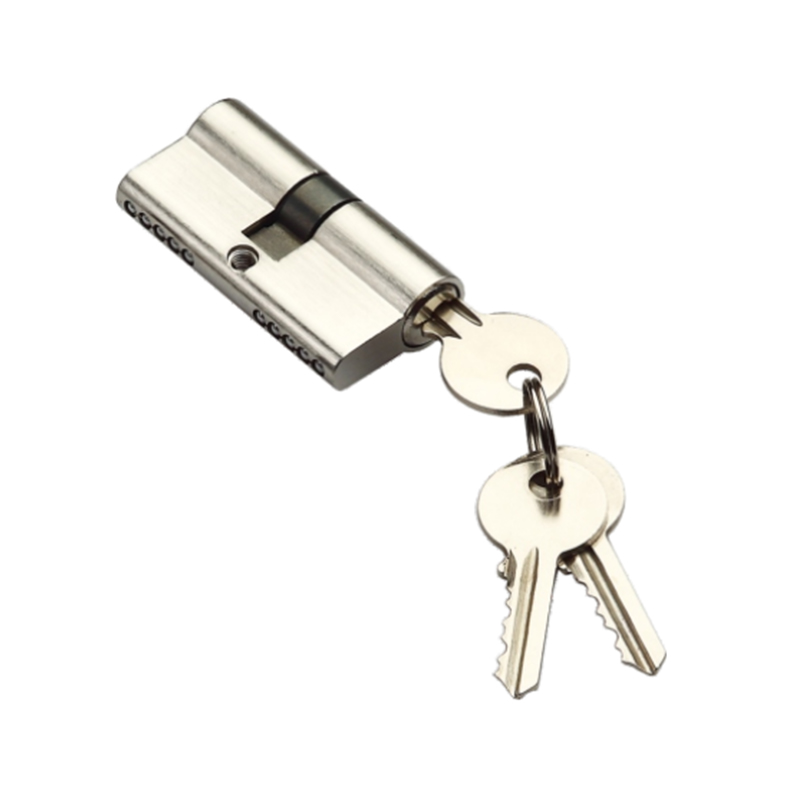
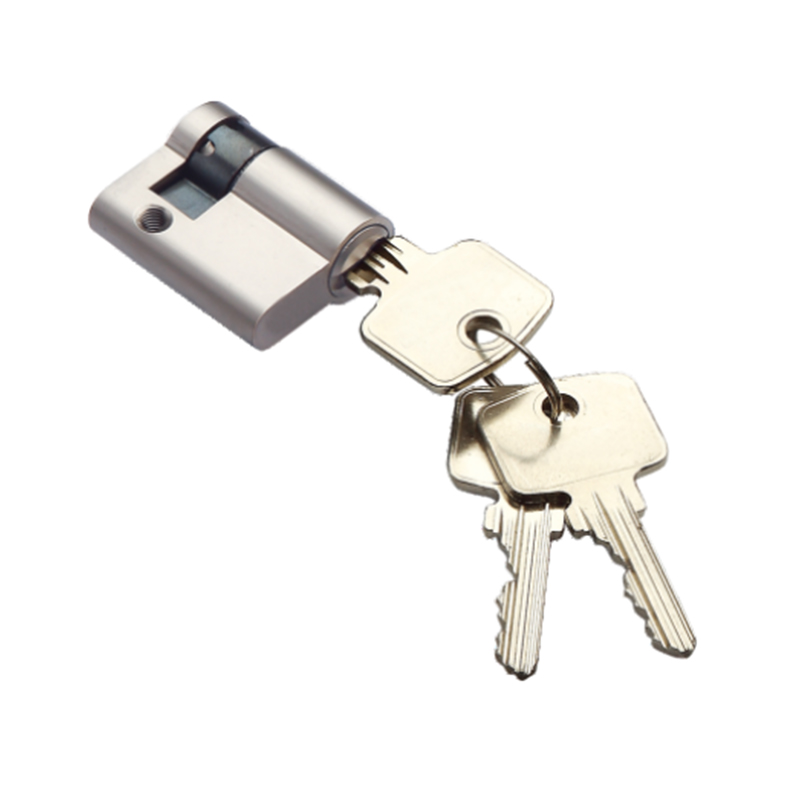
The lock cylinder is the heart of any locking mechanism. It is the component that receives the key, aligns the pins, and ultimately determines whether the lock opens or remains secured. The truly secure material for a door lock cylinder must resist physical attacks—drilling, sawing, and impact—while maintaining precision over millions of cycles.
Material options for lock cylinders
The most common cylinder material is brass. Brass is easy to machine, holds fine tolerances, and naturally resists corrosion. It is the standard for quality locks but can be vulnerable to drilling attacks if not reinforced. The second material is stainless steel. It is significantly harder than brass and offers excellent resistance to drilling and sawing. It is the preferred material for high-security applications. The third material is zinc alloy, commonly used in budget locks. It offers lower strength and corrosion resistance but is cost-effective. The fourth material is hardened steel, typically used as inserts or plates within a brass or stainless steel cylinder to defend against drilling attacks.
The security material hierarchy
The anti-drill capability is the primary security measure against physical attack. Brass cylinders with anti-drill pins or hardened steel inserts provide moderate protection. Stainless steel cylinders provide good protection without inserts. The highest protection comes from a stainless steel or brass cylinder with hardened steel anti-drill plates. The cylinder construction must also resist picking—high-quality materials with tight machining tolerances are essential.
Table: cylinder material comparison for door lock cylinders
|
Material
|
Anti-Drill Resistance
|
Anti-Pick Resistance
|
Corrosion Resistance
|
Cost Level
|
Best Application
|
|
Brass (standard)
|
Low
|
Moderate
|
Good
|
Low
|
Residential interiors, budget exteriors
|
|
Brass with anti-drill pins
|
Moderate
|
Good
|
Good
|
Moderate
|
Residential exterior, standard security
|
|
Stainless steel
|
Good
|
Good
|
Excellent
|
High
|
Commercial, high-security residential
|
|
Zinc alloy
|
Low
|
Low
|
Moderate
|
Low
|
Budget interiors, low-security
|
|
Hardened steel inserts
|
Excellent
|
Excellent
|
Excellent
|
Very high
|
High-security, commercial, critical applications
|
What Determines the Anti-Theft Capability of a Mortise Lock Body?
The anti-theft factors in mortise locks
The lock body is the core structural component of a mortise lock, housing the mechanism that secures the door. What determines the anti-theft capability of a mortise lock body involves the material strength, the lock body design, and the integrated security features.
Material and construction factors
The lock body is typically cast from brass, steel, or zinc alloy. Steel provides the highest strength and resistance to attacks such as cutting or prying. Brass offers good strength with excellent corrosion resistance but is softer than steel. The lock body thickness is a critical factor—thicker, heavier bodies are more difficult to pry or destroy. The screws and bolts used to assemble the lock body must be hardened to resist removal.
Integrated security features
The deadbolt or latch—the component that extends into the door frame—must be constructed from hardened steel with a minimum throw length of at least 1 inch. The anti-drill plate protects the cylinder from drilling attacks. The locking mechanism must include anti-pick pins. The box strike plate—the component mounted on the door frame—must be secured with screws that penetrate into the door frame, resisting kick-in attempts.
security features by lock type
- Steel lock body: high resistance to prying, drilling, and impact; excellent anti-theft capability
- Brass lock body: moderate resistance to prying; good corrosion resistance; lower anti-theft capability
- Zinc alloy lock body: moderate resistance to light attacks; lower corrosion resistance; lower anti-theft capability
- Integrated security features: anti-drill plate, anti-pick pins, reinforced strike plate—all contribute to anti-theft capability regardless of body material
The cam mechanism and its function
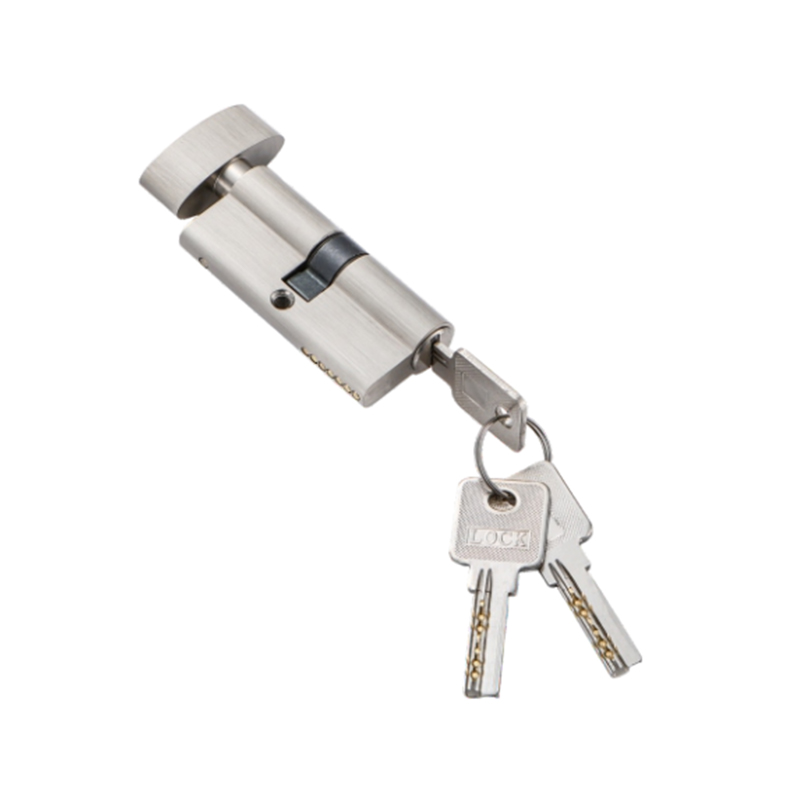
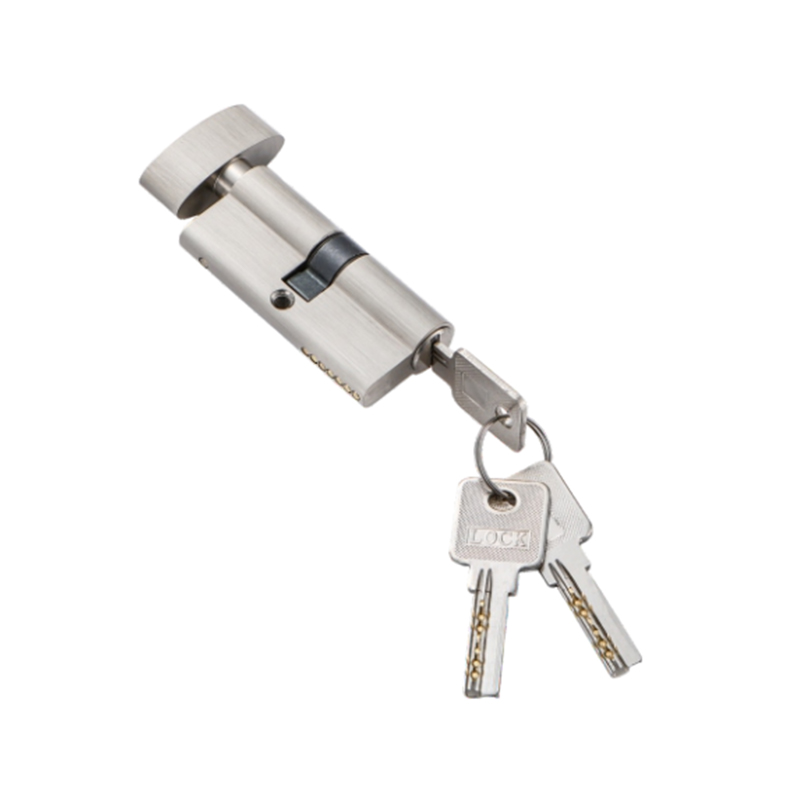
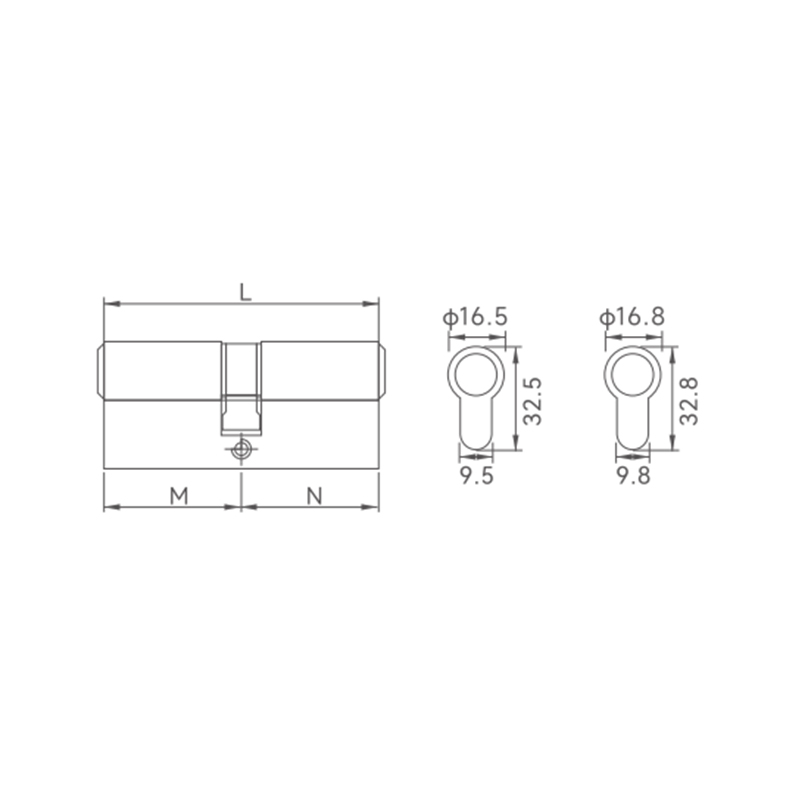
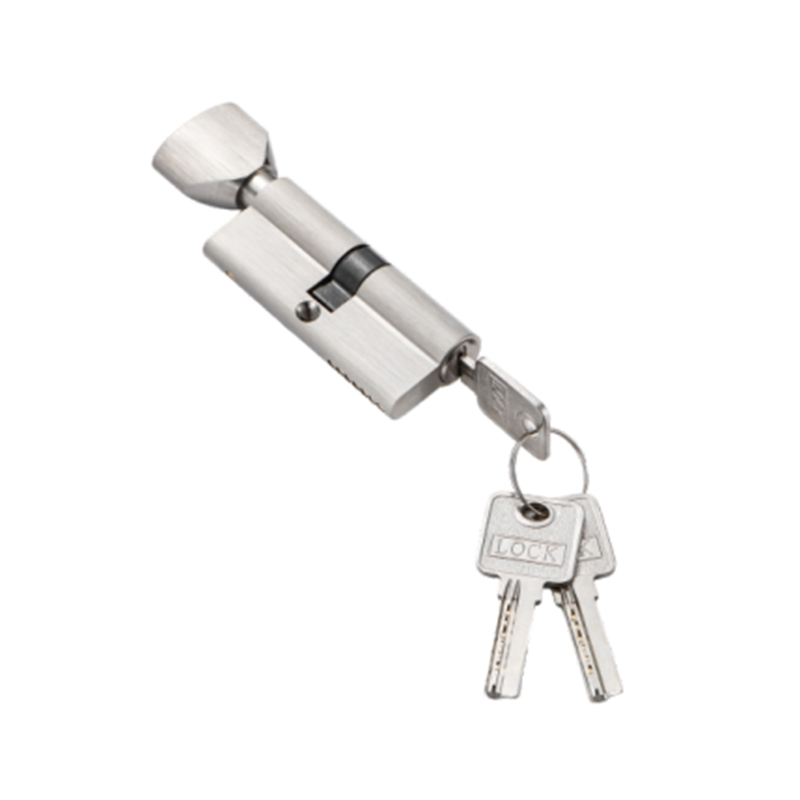
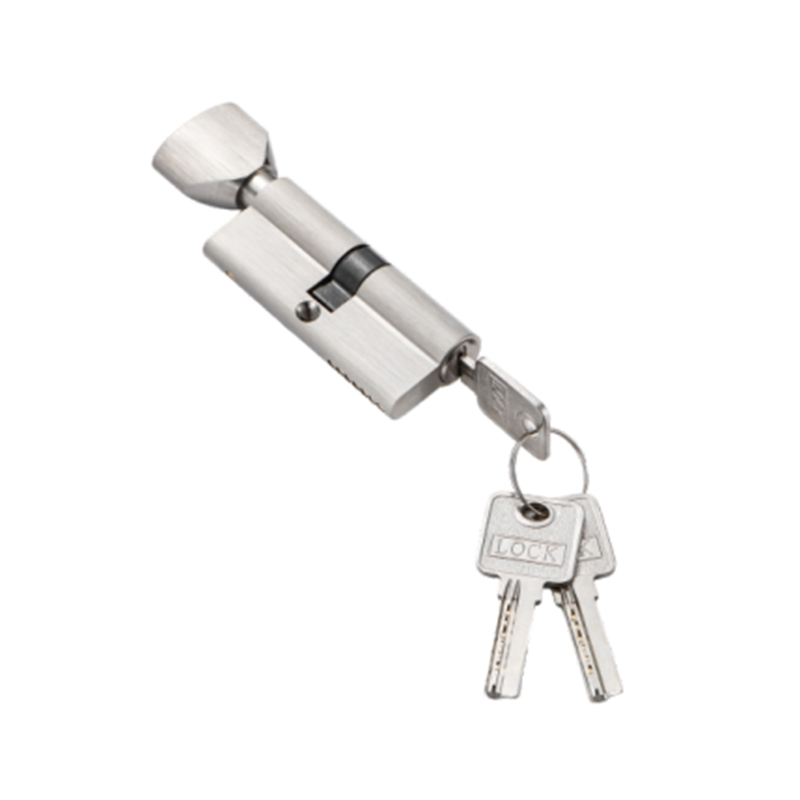
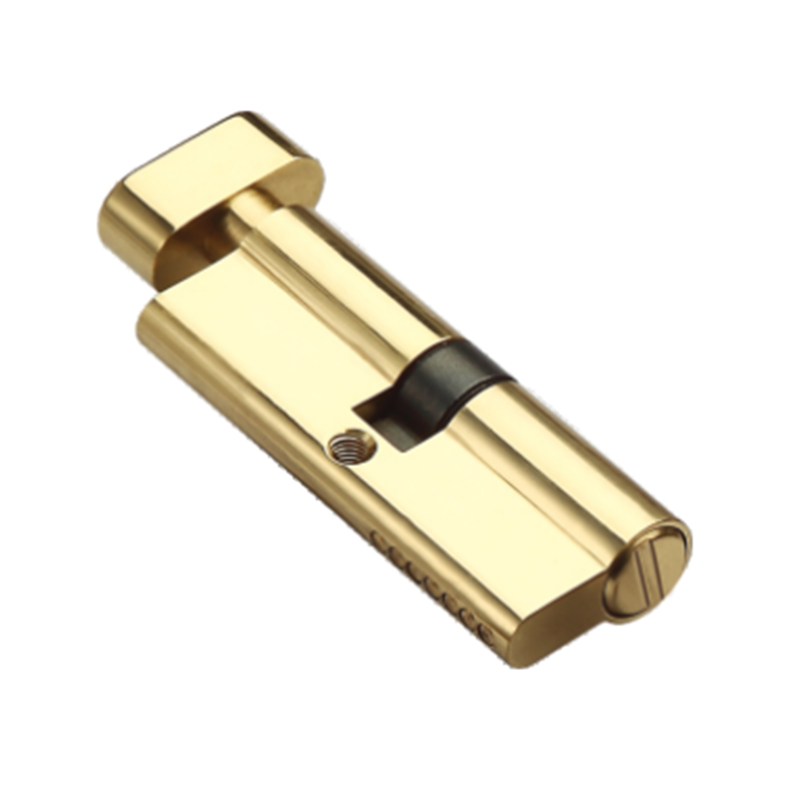
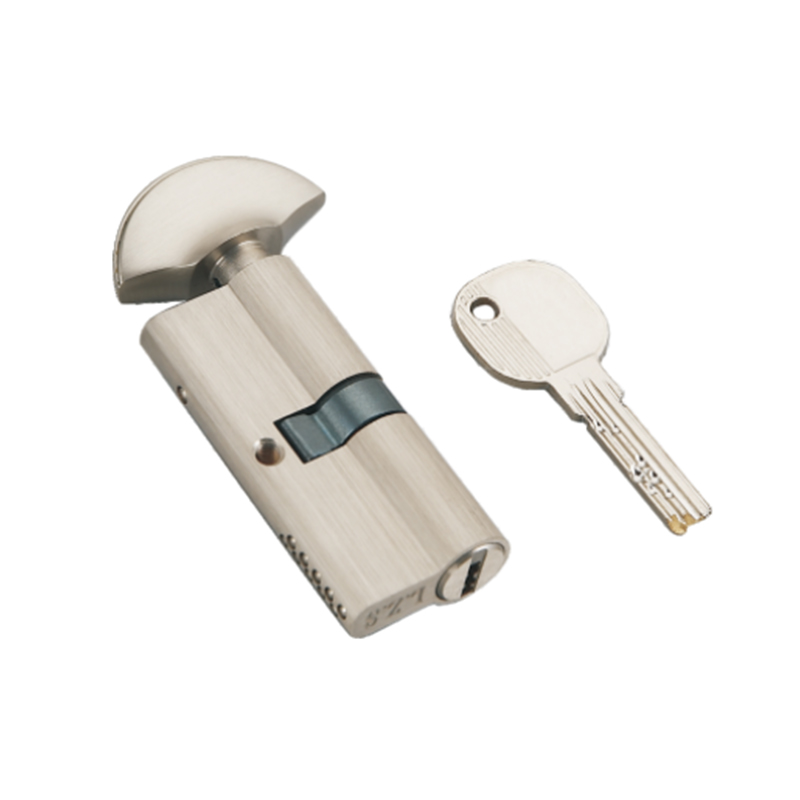
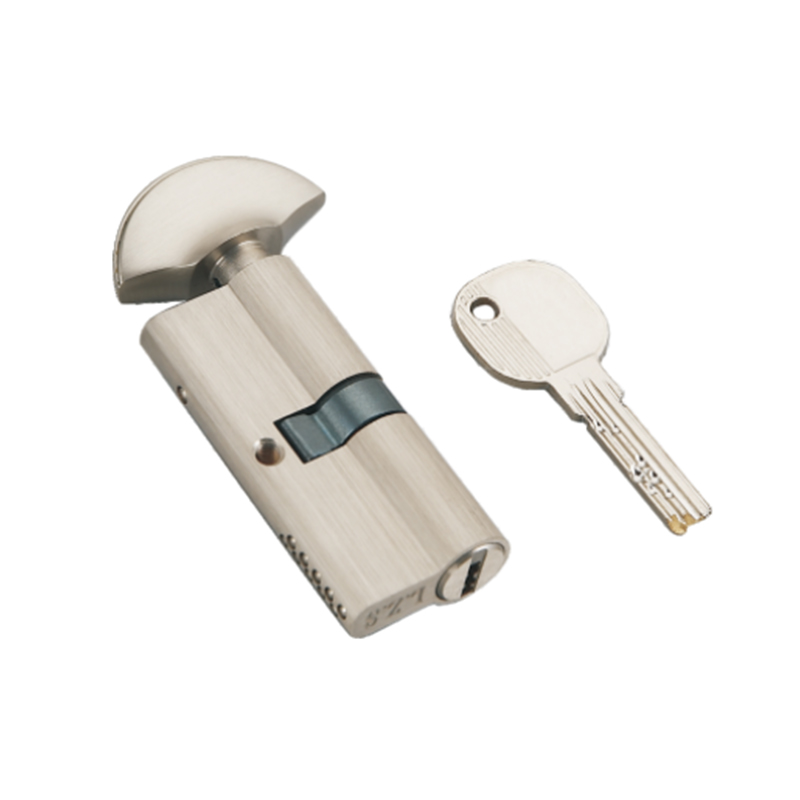
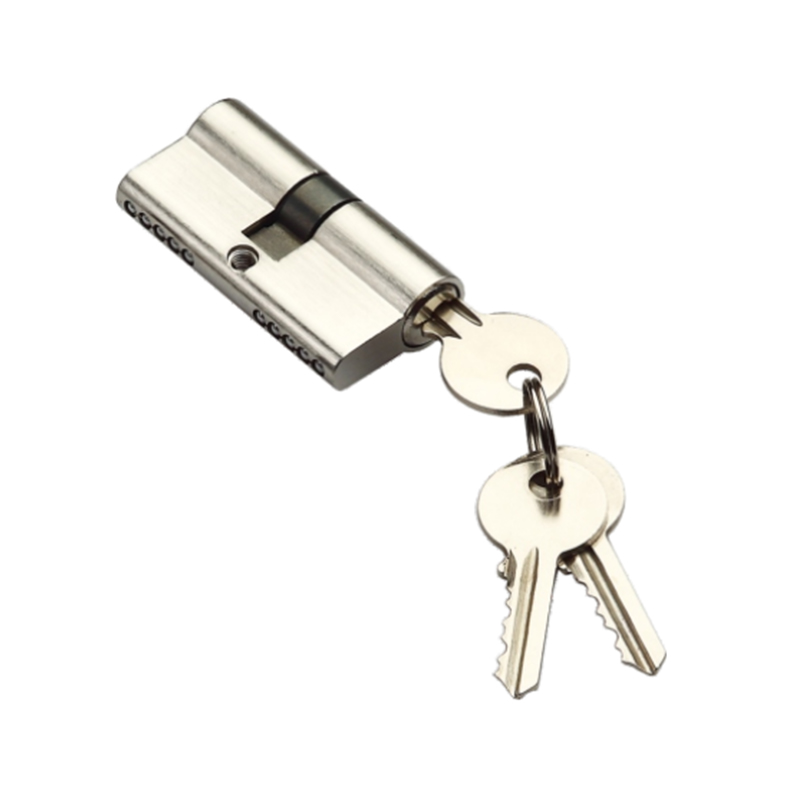
The Euro 70mm zinc mortise door lock cylinder is a standard European lock format commonly used in residential and commercial applications. Why this lock cylinder utilizes a cam mechanism is a question of functionality and versatility.
What the cam mechanism does
The cam is the rotating component at the back of the cylinder that engages with the lock body. When the key is turned, the cam rotates, pushing or pulling the lock mechanism to extend or retract the deadbolt. The cam is the connecting link between the key cylinder and the lock body. Its design is critical—the cam must be strong enough to transmit the force of the key turn without deforming or breaking.
Why zinc is used for the Euro 70mm cylinder
Zinc alloy is chosen for this lock cylinder because it offers an optimal balance of strength, durability, and cost. Zinc is easily die-cast into complex shapes, allowing for precise manufacturing. It provides good strength for a residential lock cylinder. It takes finishes well, providing corrosion resistance and aesthetic appeal. The zinc alloy composition—typically Zamak—provides the structural integrity required for the cam mechanism.
Euro 70mm zinc cylinder with cam versus other cylinder designs
- Euro 70mm zinc with cam: standard European format; die-cast zinc; cam transmits rotation to lock body; cost-effective; widely available; suitable for residential and light commercial
- Solid brass cylinder with cam: same function; higher strength and corrosion resistance; higher cost; premium residential
- Euro profile with steel cam: same function; higher strength; used in high-security applications; higher cost
FAQ
Q1: What is the difference between a lock cylinder and a lock body?
The lock cylinder is the component that receives the key, containing the pins and the mechanism that recognizes the correct key. The lock body is the larger mechanism that houses the deadbolt or latch and operates the locking functions. They work together but are separate components.
Q2: Can the cam mechanism be repaired if it fails?
A failed cam mechanism typically requires replacing the entire cylinder. Cam repair is not practical because the cam is integral to the cylinder design. Replacement is relatively straightforward and cost-effective.
Q3: How do I know if my Euro cylinder has anti-drill protection?
Anti-drill protection is typically indicated in the product specifications or visible on the cylinder surface. Look for "hardened steel inserts," "anti-drill plate," or "anti-drill pins" in the product description. If you are unsure, consult the lock manufacturer or inspect the cylinder for visible steel elements visible on the face of the cylinder.
Q4: What is the difference between a Euro 70mm and Euro 45mm cylinder?
The number refers to the overall length of the cylinder. A Euro 70mm cylinder is 70mm in total length, and a Euro 45mm cylinder is 45mm. The correct size depends on your door thickness. The cam mechanism is the same but the cylinder length differs.
Q5: Are Euro cylinders compatible with all mortise lock bodies?
Euro cylinders are designed to a standard profile, but cam design varies. The cam type (shape and position) must match the lock body. Standard cams are available, but some lock bodies require specific cam designs. Always confirm compatibility before purchasing.

 English
 русский
 中文简体
中文简体 Español
 عربى
عربى