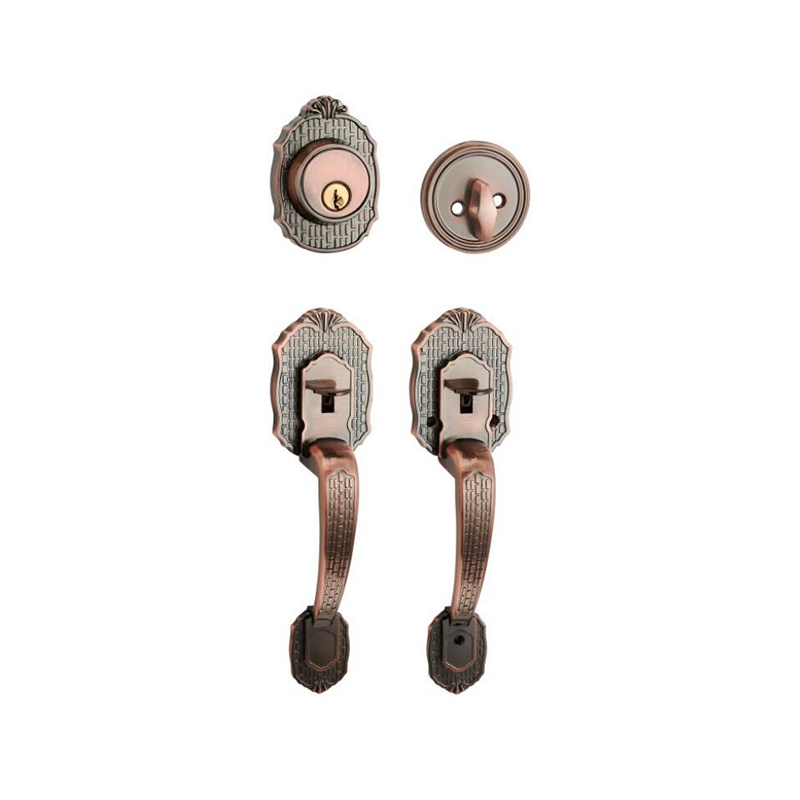
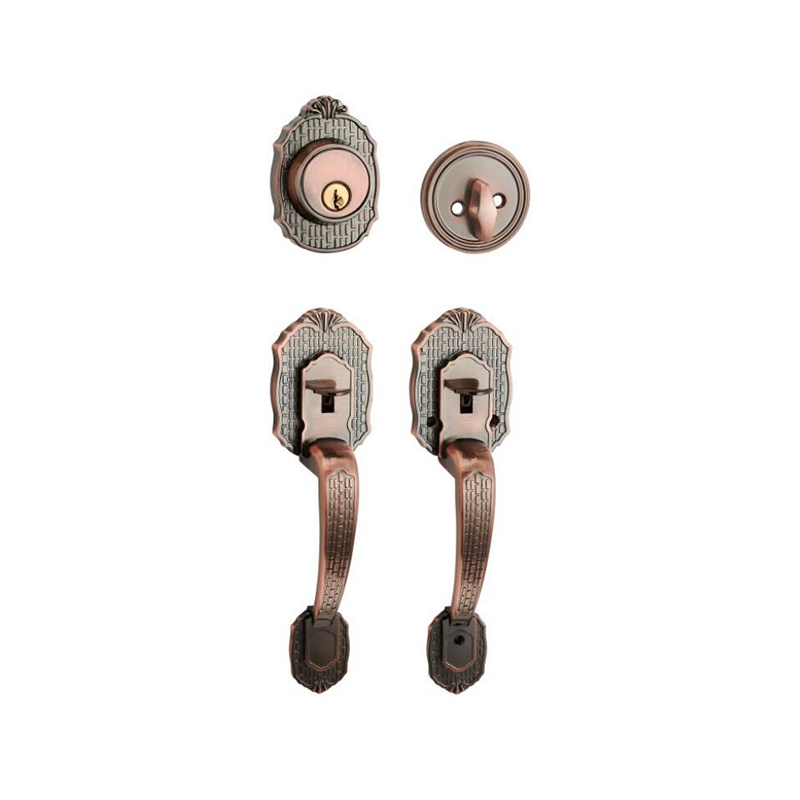
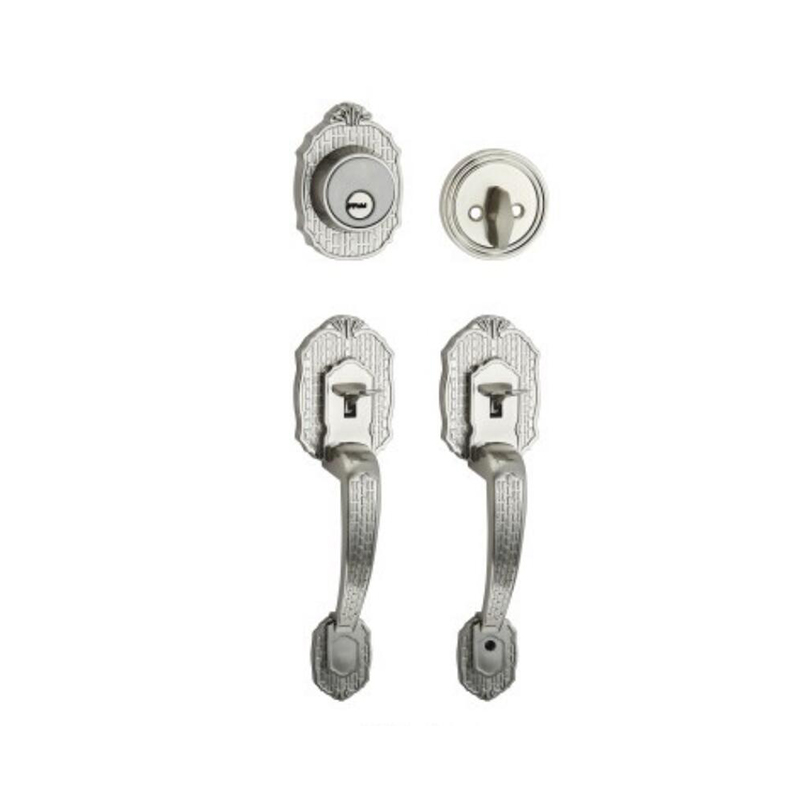
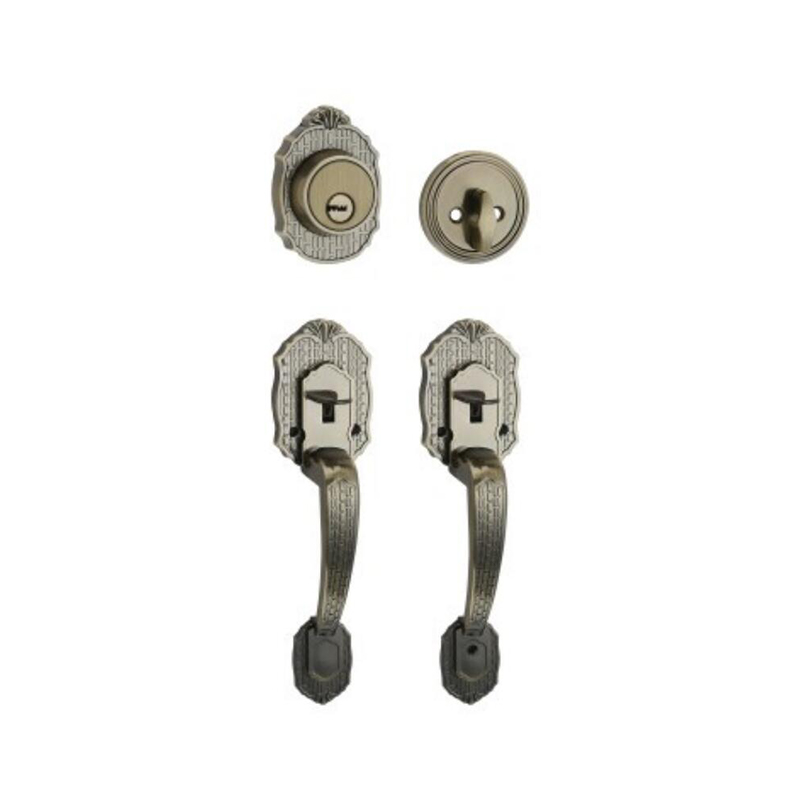
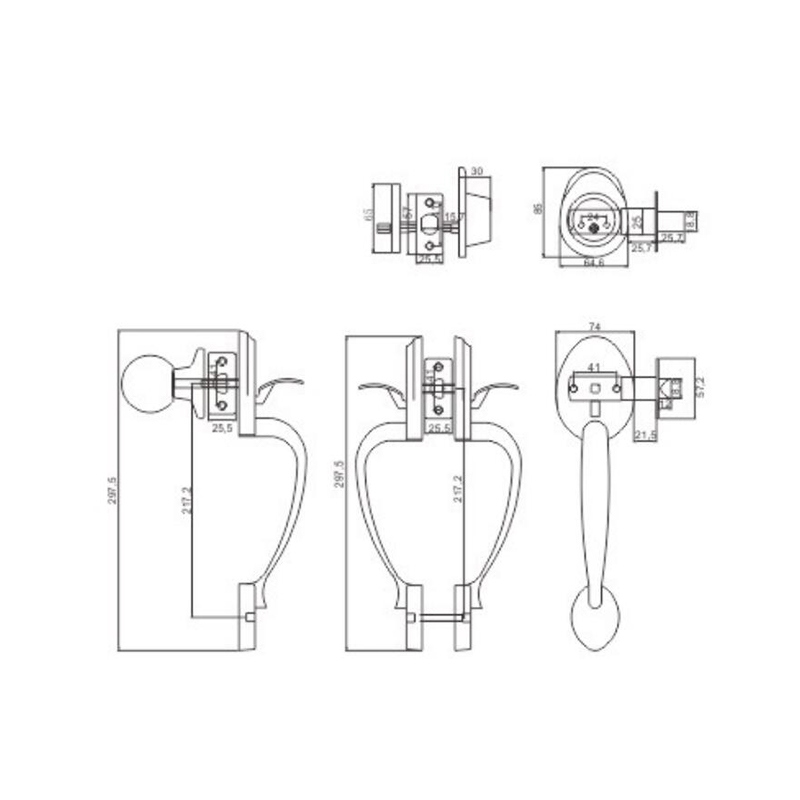
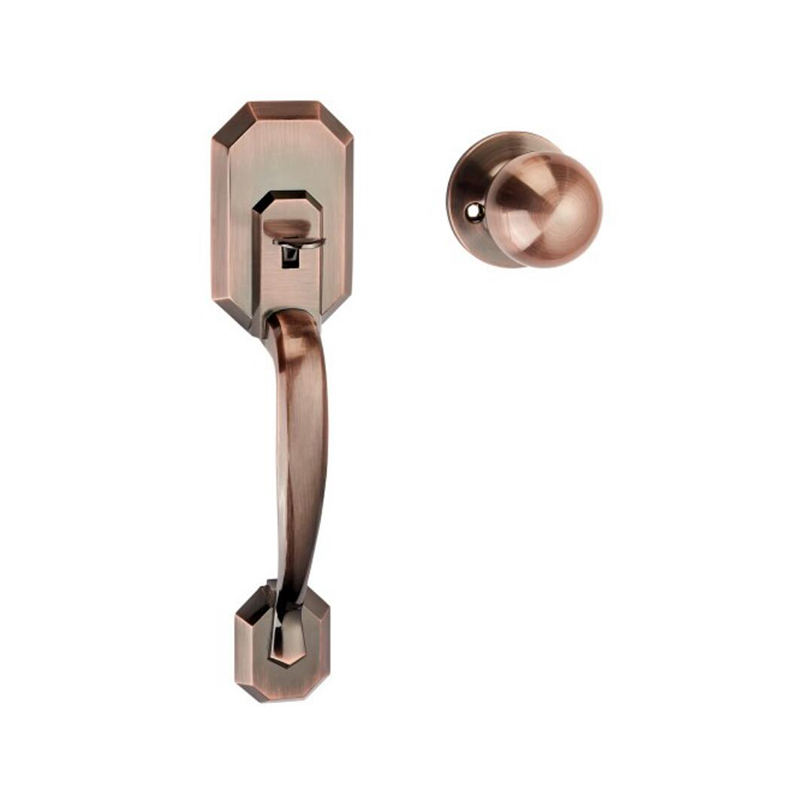
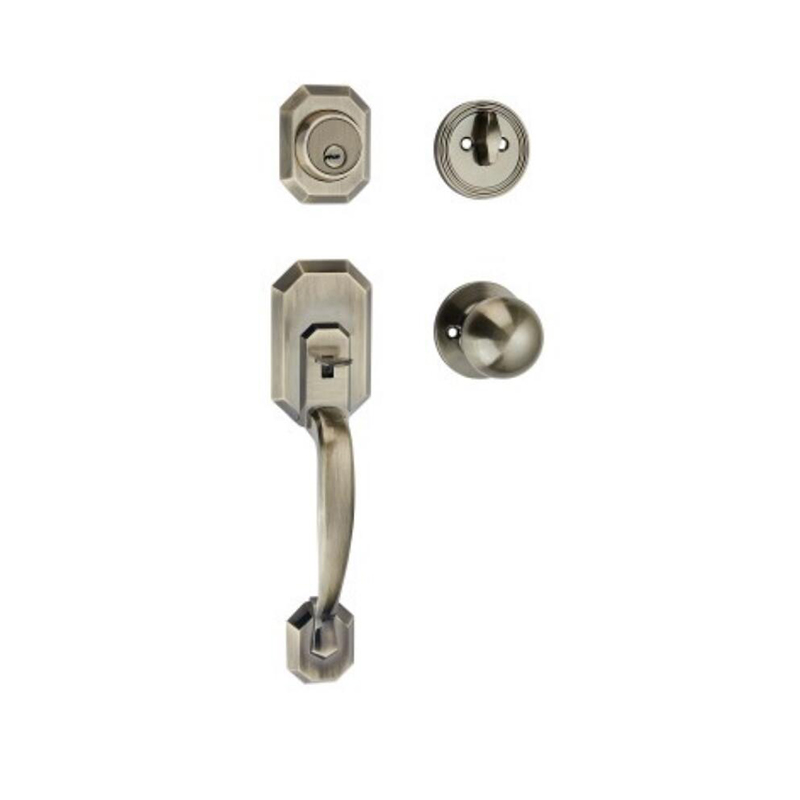
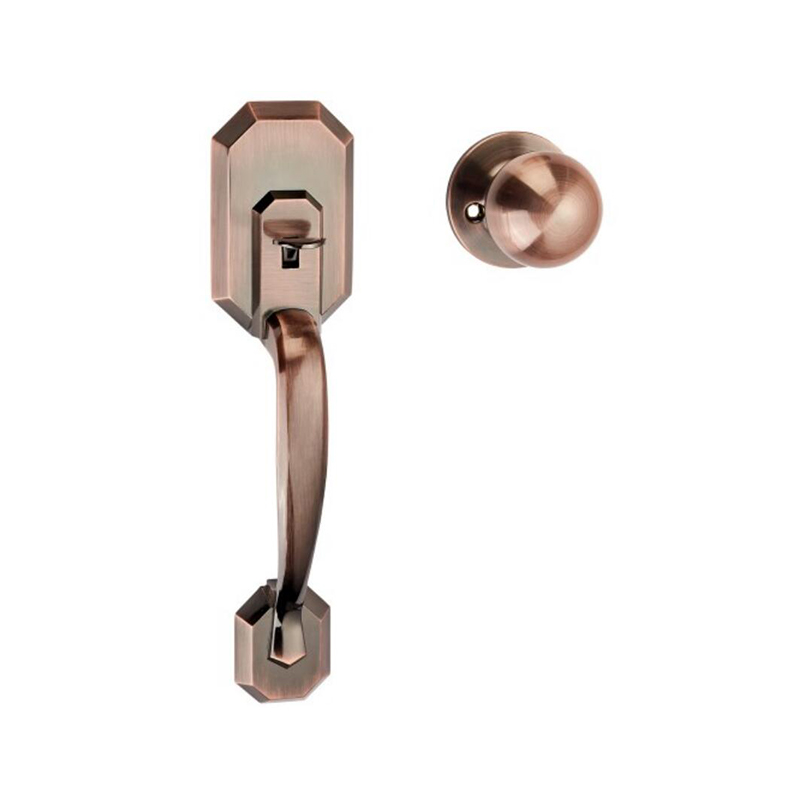
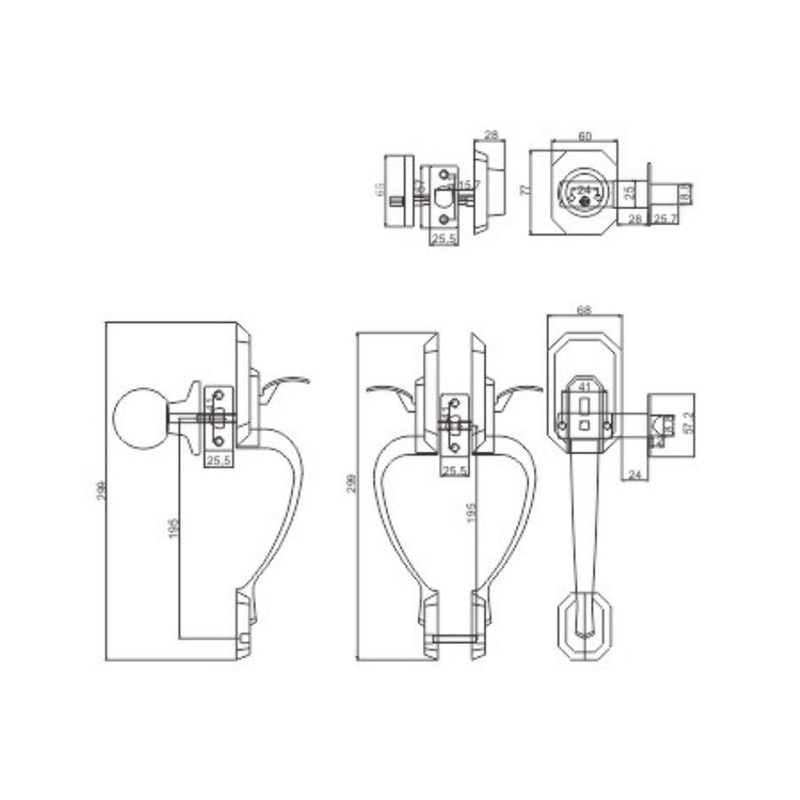
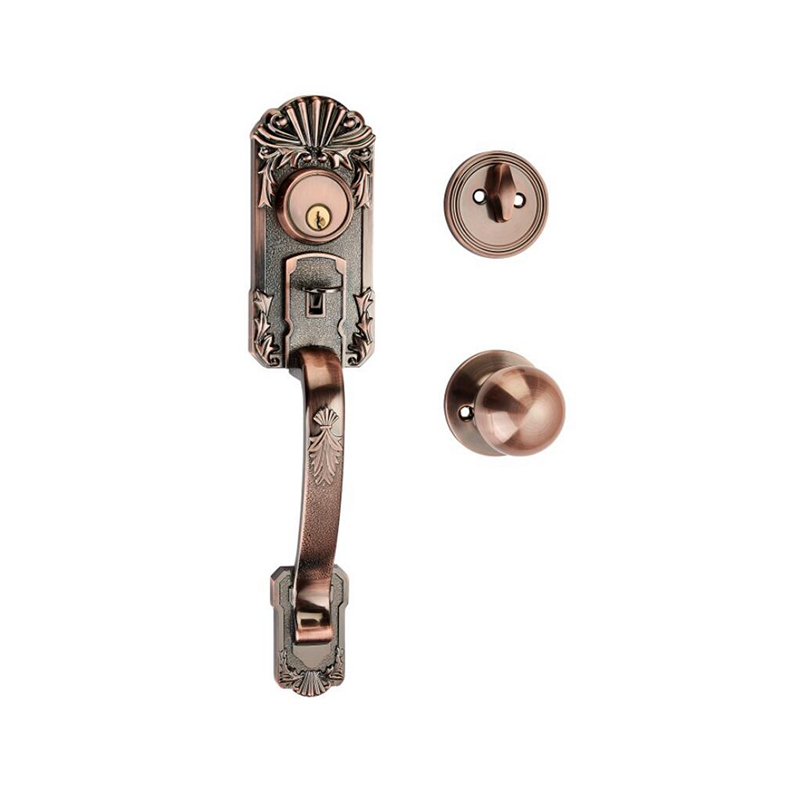
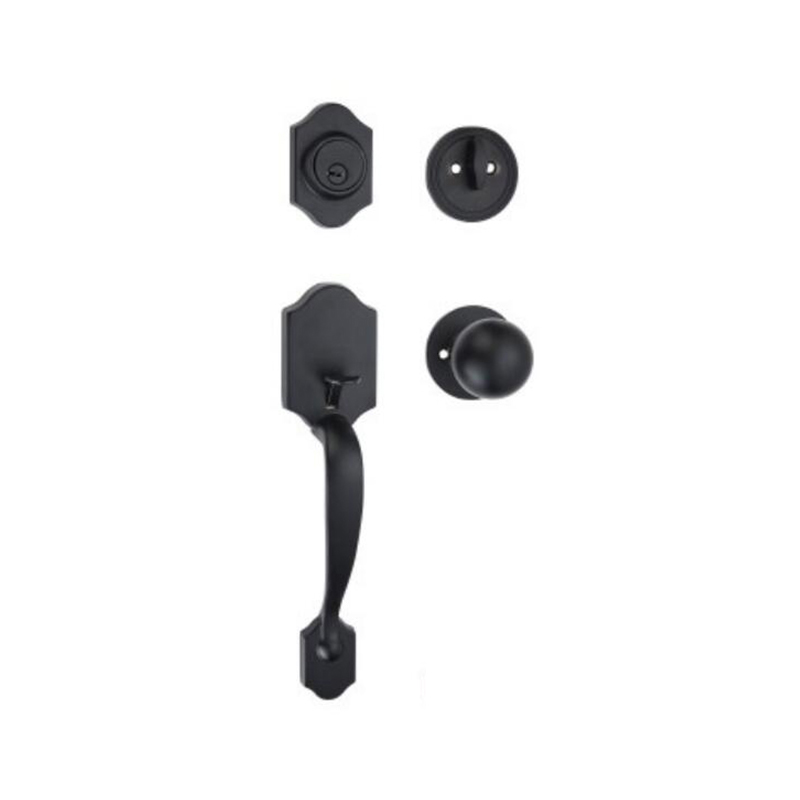
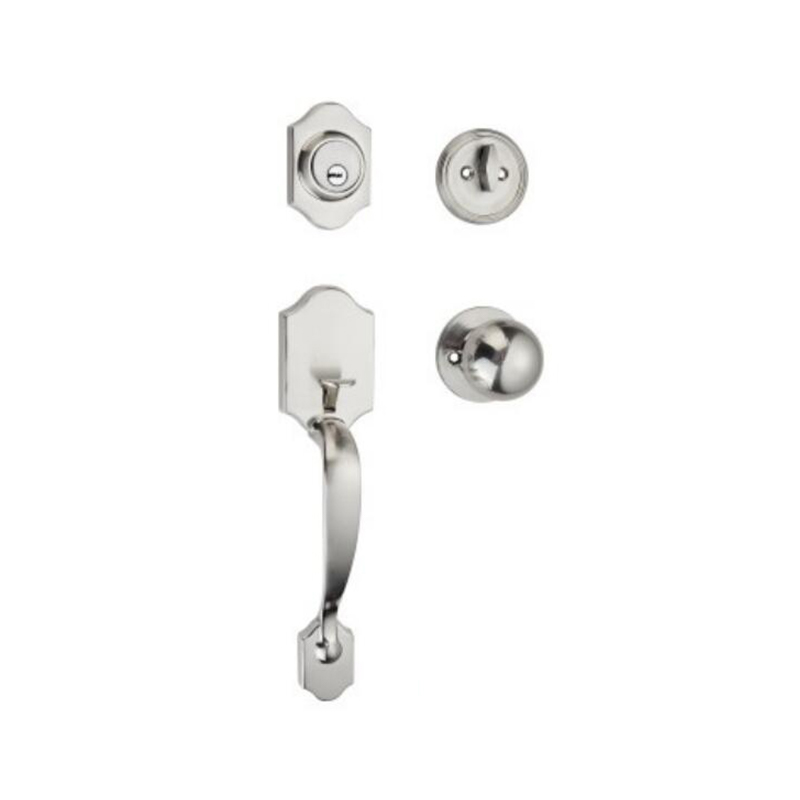
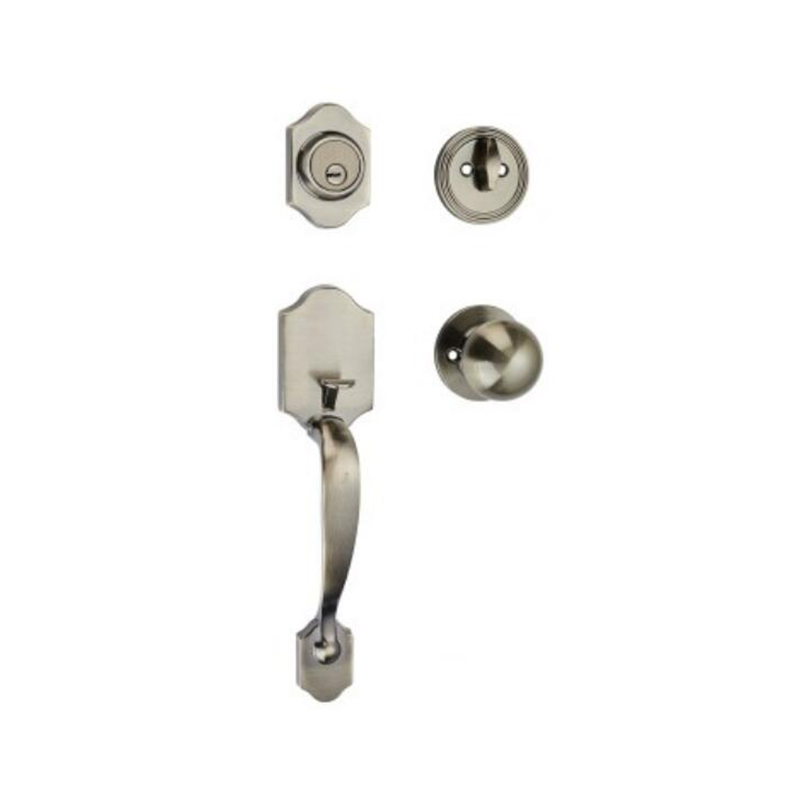
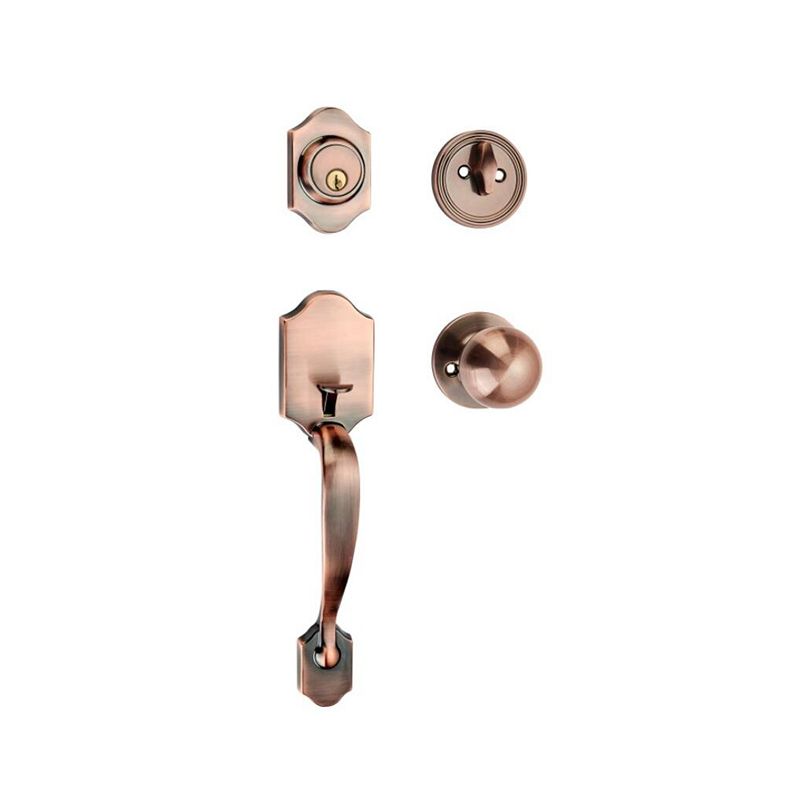
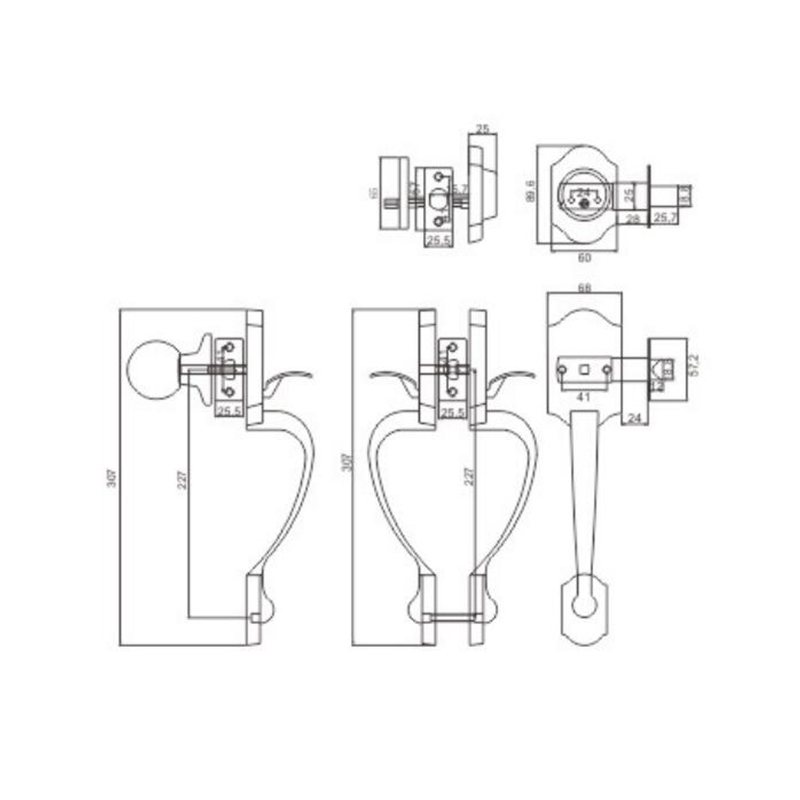
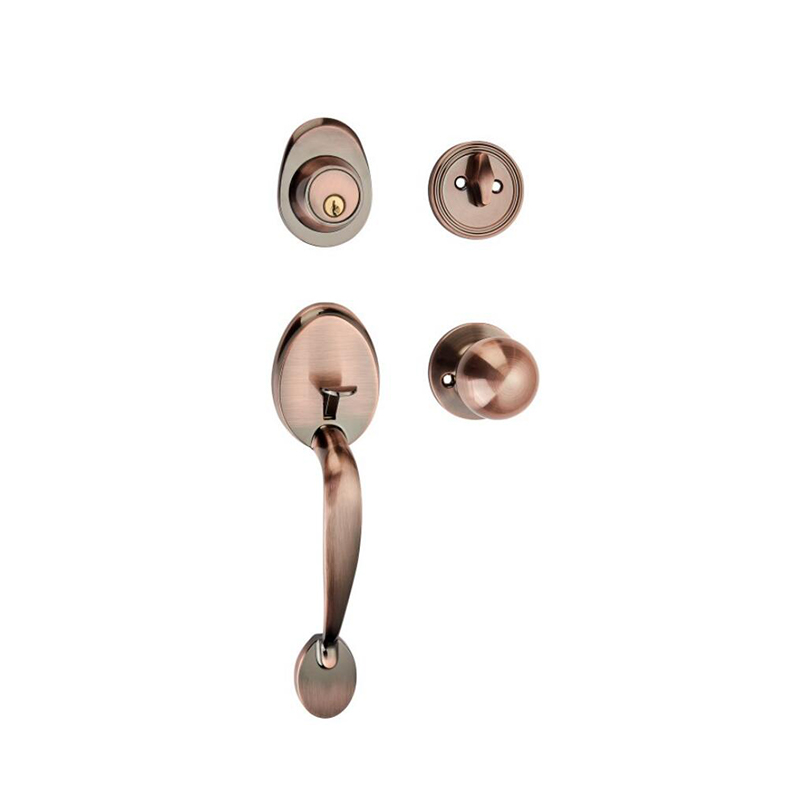
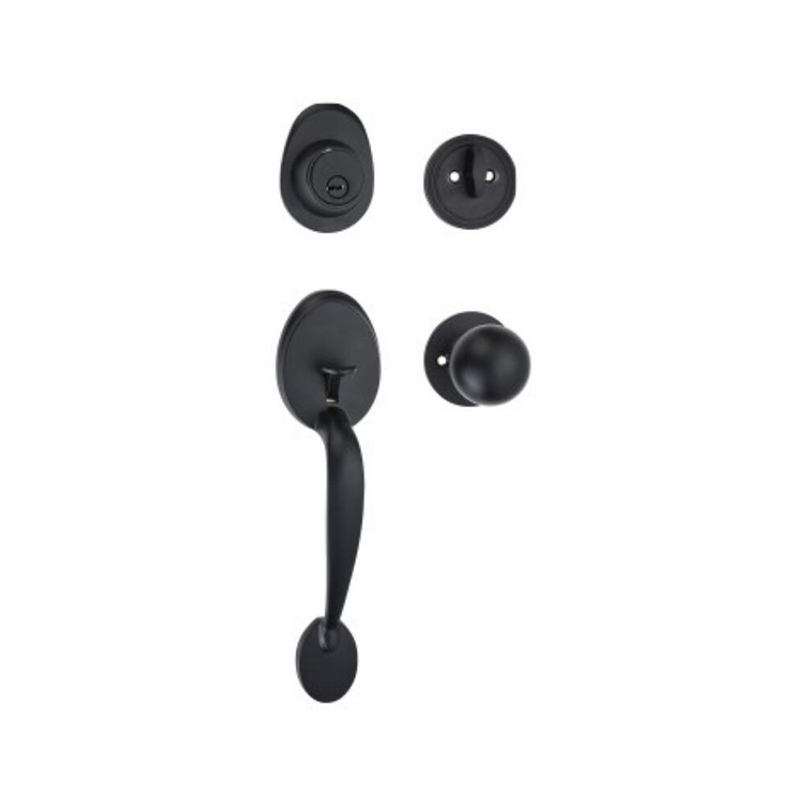
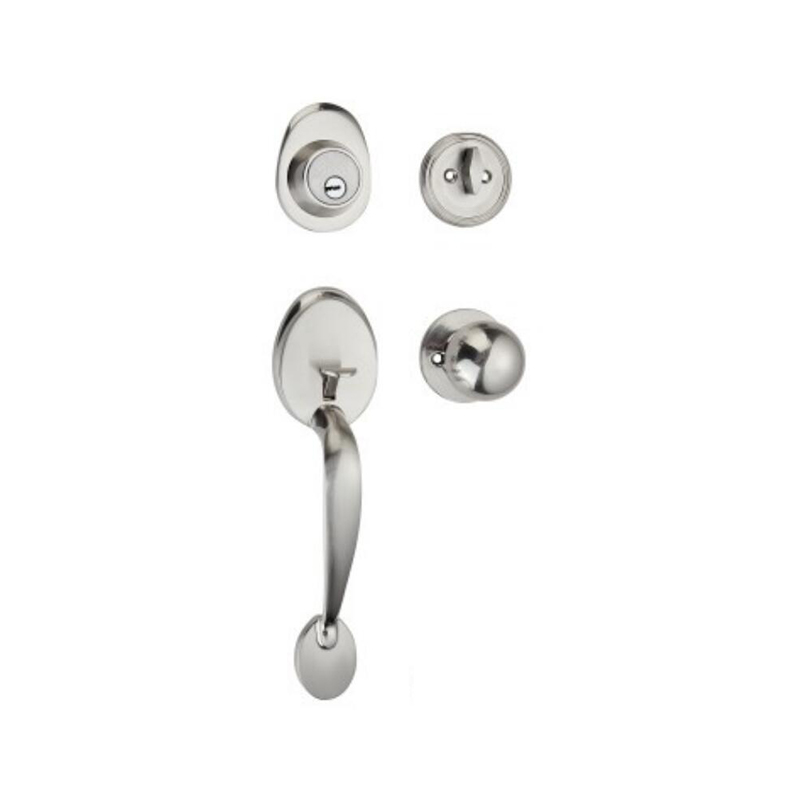
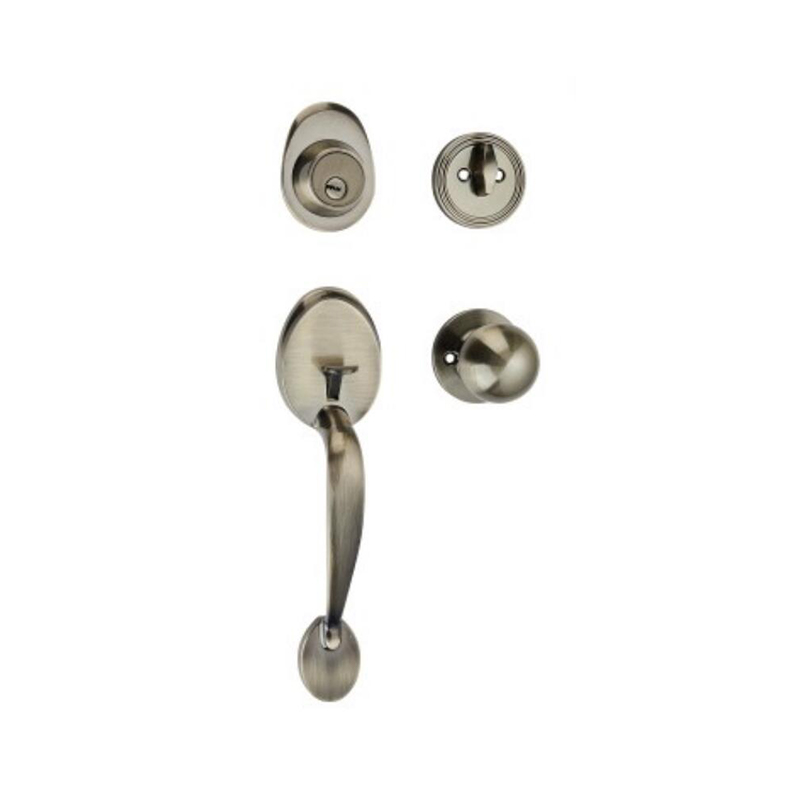
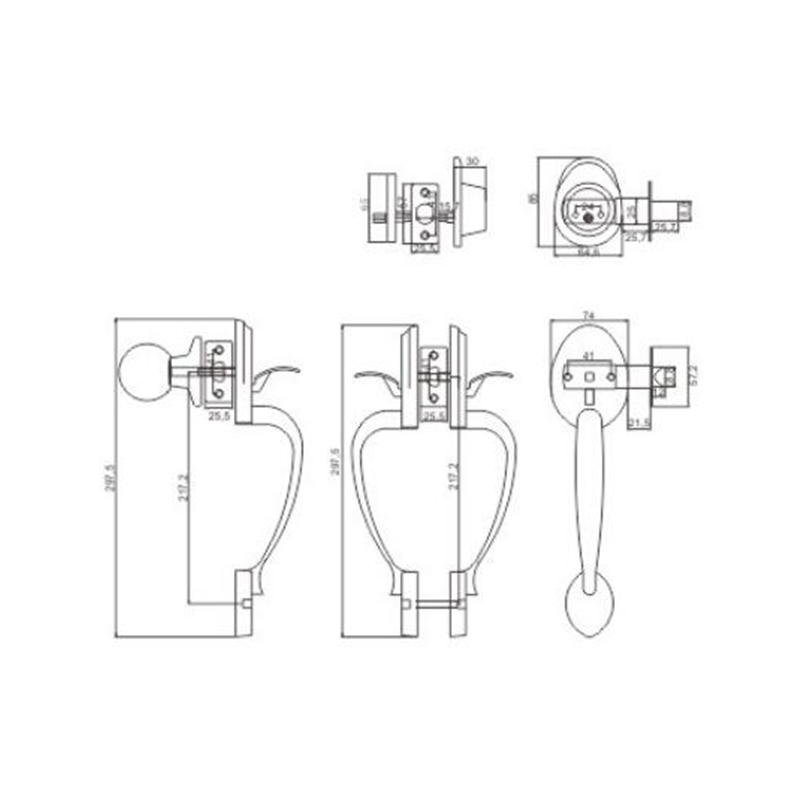
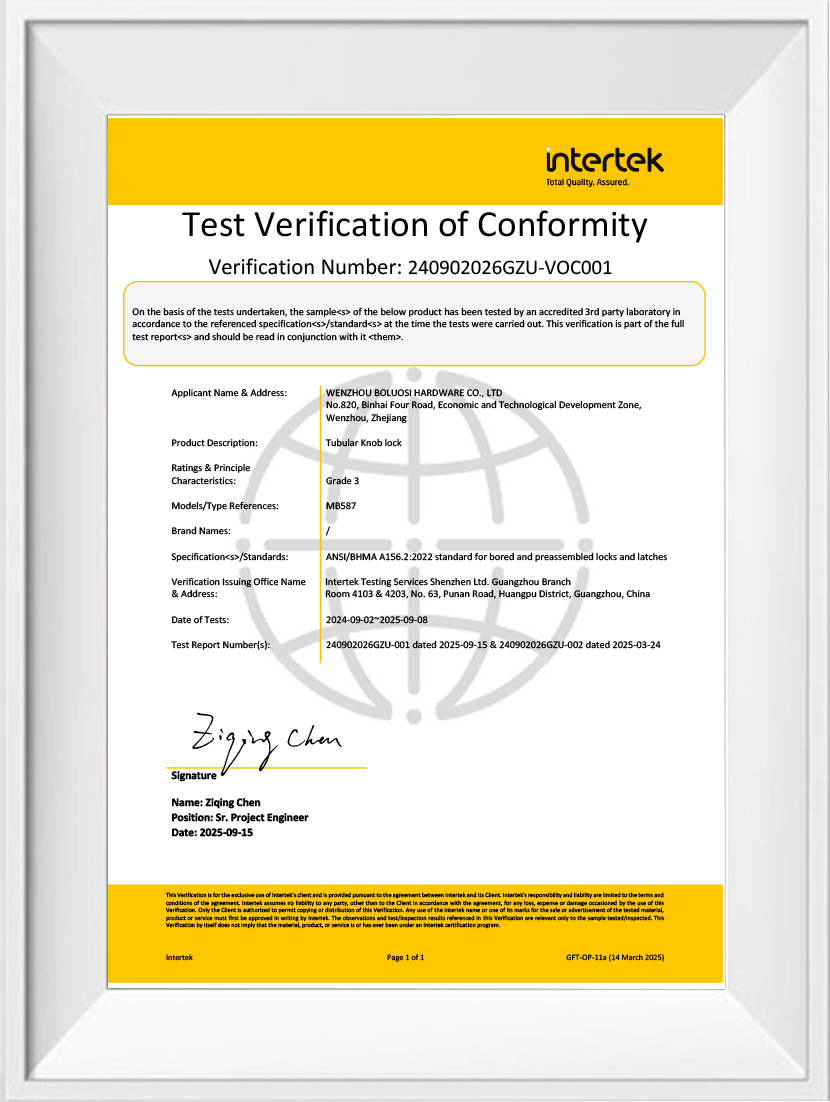
Front Door Lock Durability, Villa Handle Design, and Material Excellence
Why Are the Material and Rust Resistance of Front Door Locks So Critical?
The material and corrosion challenge
Front door locks are the first line of defense for any home. Unlike interior locks, they face constant exposure to weather, temperature swings, and physical wear. The material and rust resistance of front door locks are so critical because failure of a front door lock compromises security and can lead to costly repairs.
Material selection for front door locks
Solid brass and stainless steel are the preferred materials for front door locks. Both offer excellent corrosion resistance and mechanical strength. Brass develops a protective patina over time, while stainless steel forms a passive chromium oxide layer. Zinc alloy locks are also common but rely on protective finishes—if the finish wears, the zinc can corrode. The lock body must also withstand physical attacks.
The impact of rust on security
Rust degrades the lock mechanism, causing sticking or failure to operate. A rusted deadbolt may not extend fully, leaving the door vulnerable. Rusted screws may fail, allowing the lock to be forced. Rust also compromises the aesthetic appearance of the door.
materials for front door locks
- Solid brass: excellent corrosion resistance; develops patina; high strength; high cost
- Stainless steel (304): excellent corrosion resistance; maintains appearance; high strength; moderate to high cost
- Stainless steel (316): superior corrosion resistance; ideal for coastal; high cost
- Zinc alloy (plated): moderate corrosion resistance; depends on finish; lower strength; moderate cost
What Practical Benefits Do Villa Big Handle Locks Offer in Terms of Functionality and Security?
The large-handle advantage
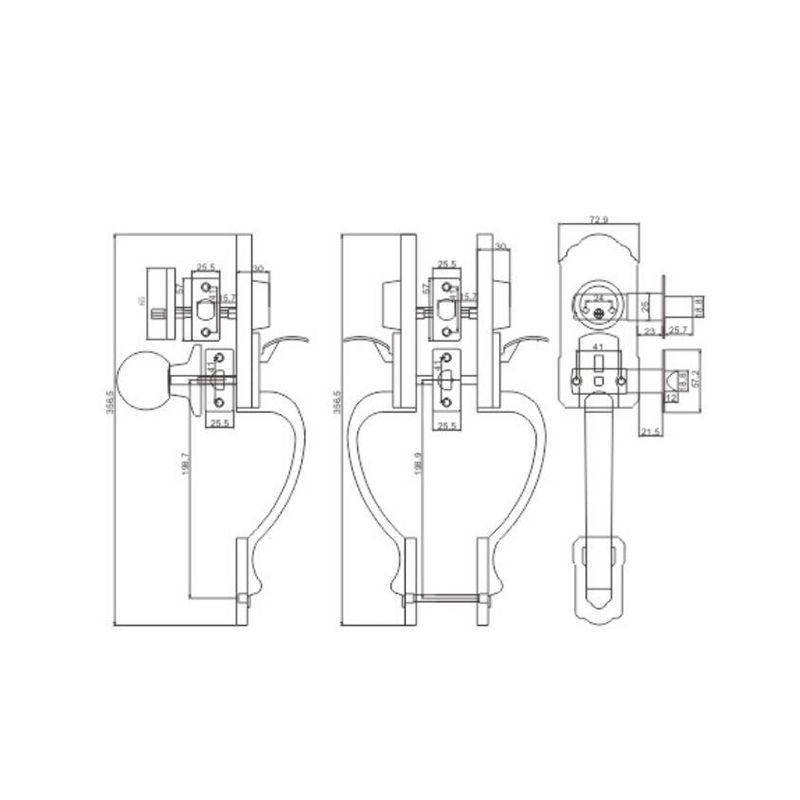
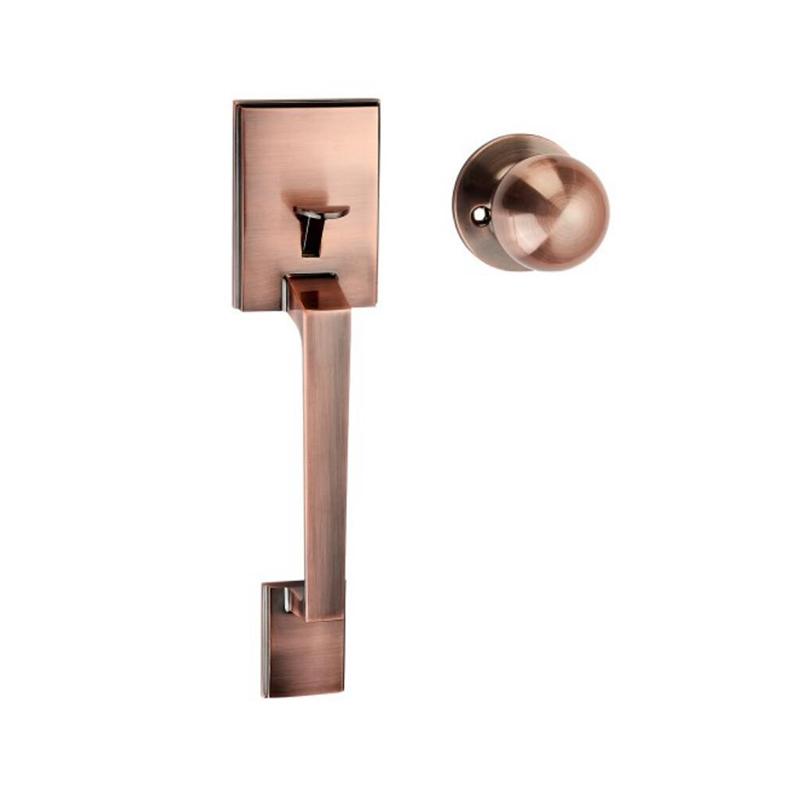
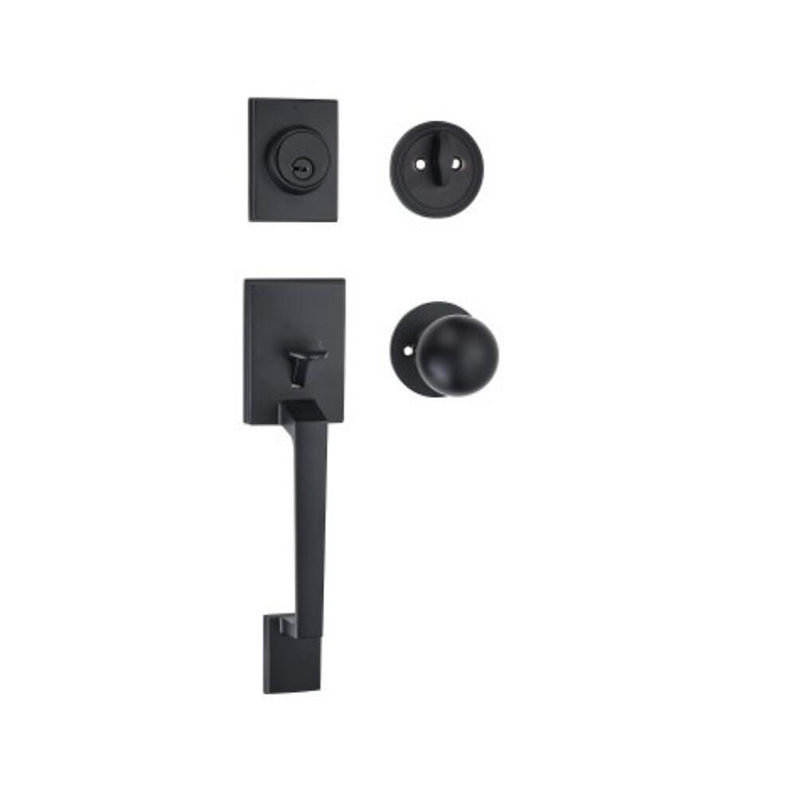
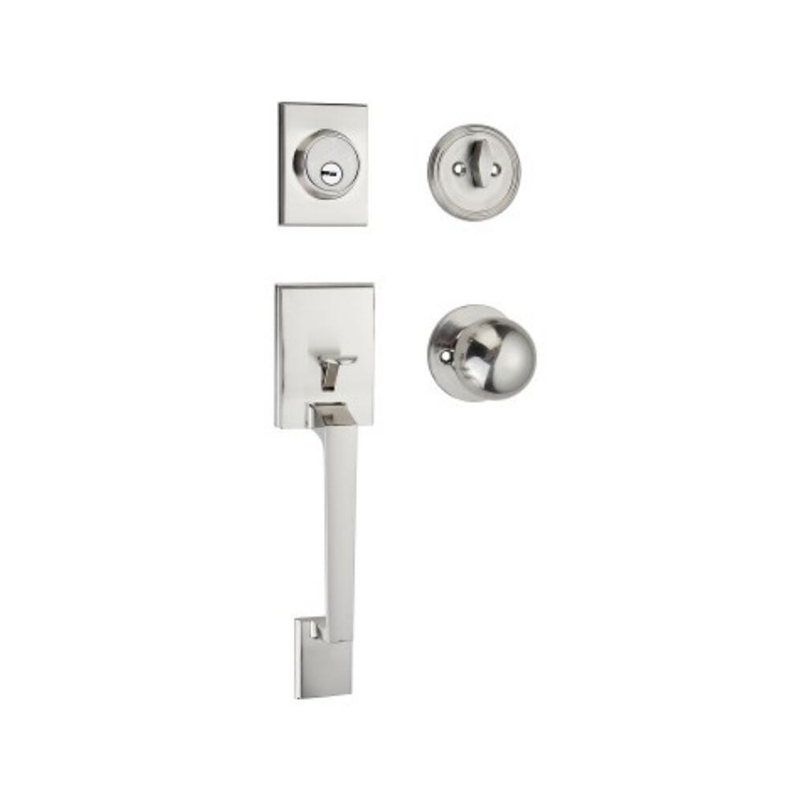
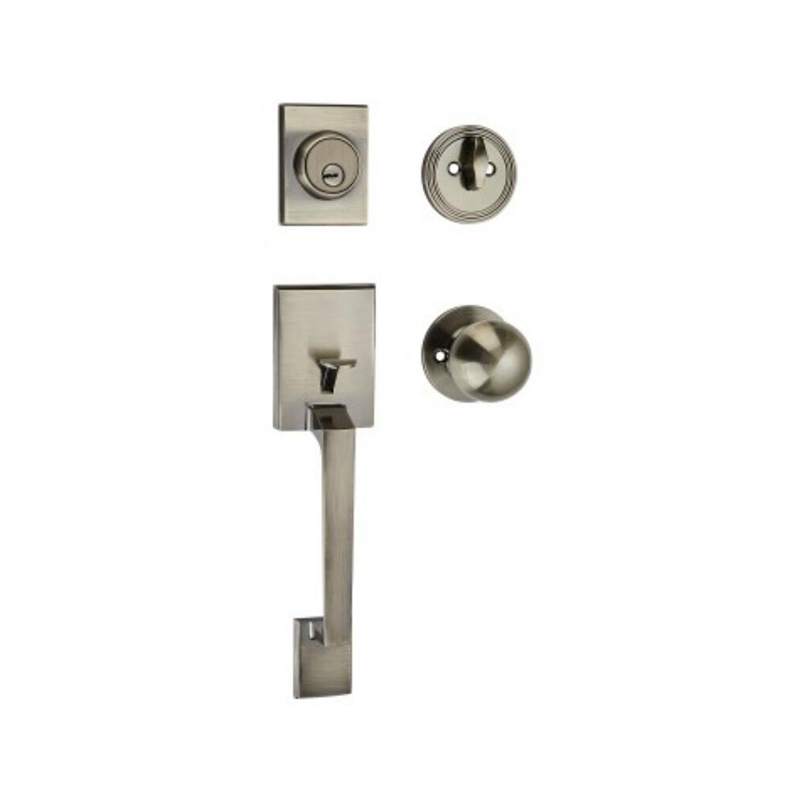
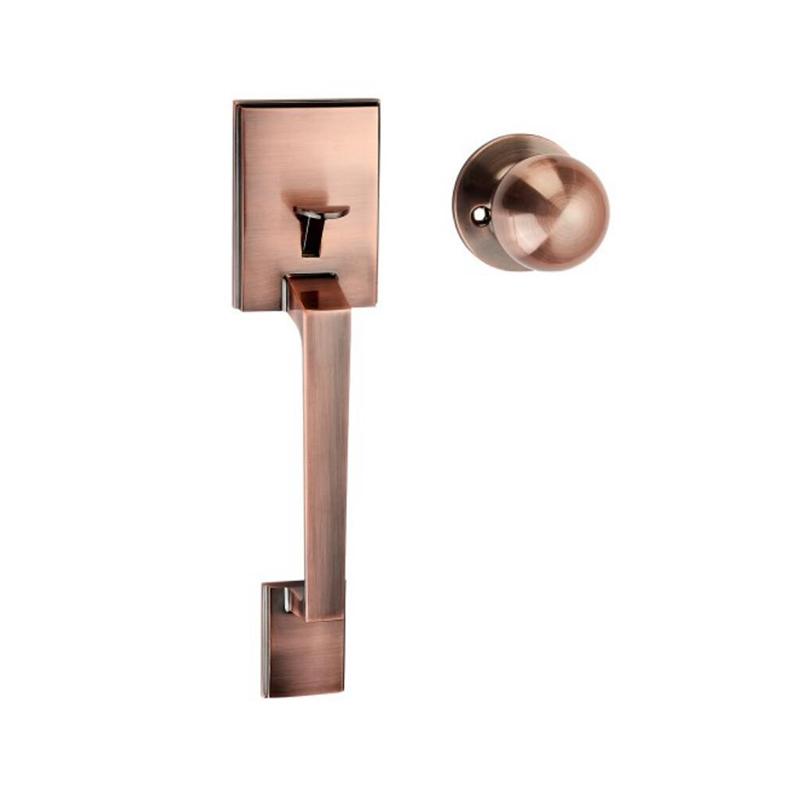
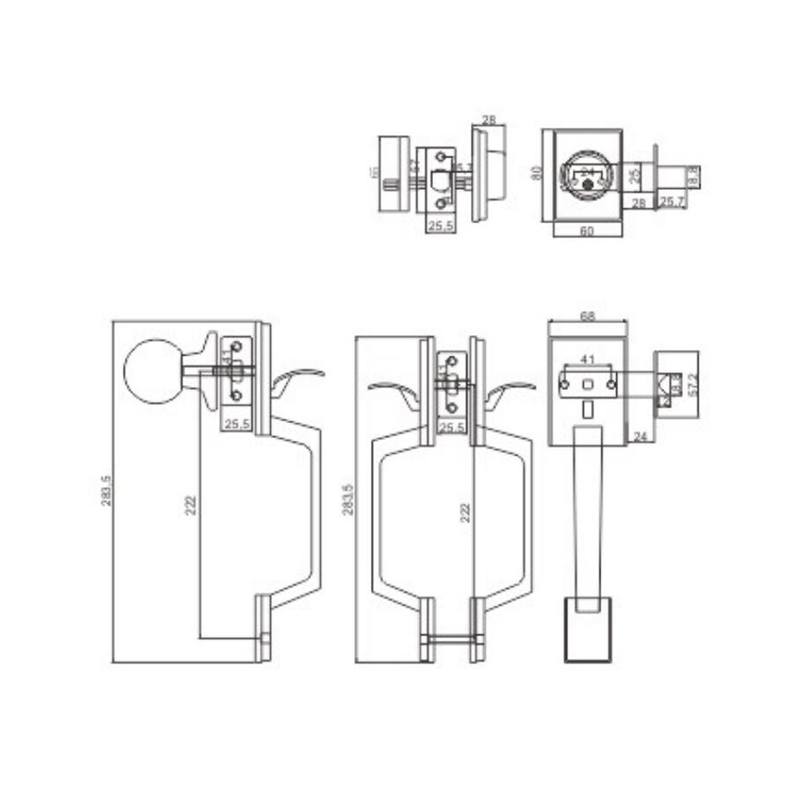
Villa big handle locks are designed for larger, heavier doors commonly found in villas and luxury homes. The practical benefits large-handle villa locks offer in terms of functionality and security are related to ergonomics, visual presence, and mechanical advantage.
Functionality benefits
The large handle provides better leverage, making it easier to operate heavy doors. The handle can be gripped securely with gloves, important in cold climates. The larger surface area allows for more decorative design.
Security benefits
The larger lock body can accommodate heavier-duty mechanisms, including larger deadbolts and more robust internal components. The lock body is more resistant to prying and impact due to its size and material thickness.
Table: large-handle villa locks versus standard locks
|
Factor
|
Large-Handle Villa Lock
|
Standard Lock
|
Why Large-Handle Offers Benefits
|
|
Handle size
|
Larger grip area
|
Standard
|
Easier operation of heavy doors
|
|
Leverage
|
Better mechanical advantage
|
Standard
|
Requires less force
|
|
Lock body size
|
Larger, heavier
|
Standard
|
Accommodates more robust mechanisms
|
|
Deadbolt size
|
Larger throw bolt
|
Standard
|
Greater resistance to forced entry
|
|
Design presence
|
High visual impact
|
Moderate
|
Enhances door aesthetics
|
|
Application
|
Villas, luxury homes, heavy doors
|
Standard residential
|
Matches larger door scale
|
Why Is the Door Handing (Opening Direction) of Front Entry Door Handle Locks Often Overlooked?
The door handing challenge
Door handing refers to the direction a door swings open—left-hand or right-hand, in-swing or out-swing. Why the door handing of front entry door handle locks is often overlooked is that many people assume all locks are universal, but they are not.
The compatibility requirement
Many locks are handed, meaning they are designed specifically for left-hand or right-hand doors. Installing a lock on the wrong hand means the key cylinder may be upside down, the thumb turn may be on the wrong side, or the latch may not engage properly. Even locks that are not handed may have handing-specific components.
The common oversight
The most common oversight occurs when homeowners purchase replacement locks without checking the handing of their existing door. The oversight is also common among DIYers who assume a lock is reversible. This leads to returns and reorders, causing frustration.
handed versus universal locks
- Handed locks: specific to left or right door; must match door handing; limited compatibility
- Universal locks: can be installed on either hand; simpler for DIYers; wider compatibility
The material and durability requirements
Mechanical villa door lever handle key lock sets are designed for high-end residential applications, where security, aesthetics, and longevity are paramount. Why mechanical villa door lever handle key lock sets require superior materials and durability is due to their demanding use environment.
Material requirements for villa locks
Villa doors are typically heavier and larger, placing greater stress on the lock mechanism. The handle and lock body must be constructed from high-strength materials—solid brass, stainless steel, or forged bronze. The internal components—springs, gears, pins—must be hardened steel for long-term reliability. The finish must be robust to maintain appearance with daily use.
Durability requirements
Villa locks are expected to last decades. The lock must withstand millions of cycles—the equivalent of 30+ years of daily use. The materials must resist corrosion from weather and salt air, and the handle must resist excessive force and maintain its appearance.
Table: material and durability requirements for villa locks
|
Requirement
|
Standard Residential Lock
|
Villa Lock
|
Why Villa Locks Require Superior Standards
|
|
Handle material
|
Zinc alloy or steel
|
Solid brass, stainless steel, forged bronze
|
Heavier doors require stronger materials
|
|
Lock body material
|
Brass or zinc alloy
|
Brass, stainless steel, or steel
|
Greater strength and corrosion resistance
|
|
Internal components
|
Standard steel
|
Hardened steel
|
Longer lifespan under high-frequency use
|
|
Finish quality
|
Standard plating
|
Premium plating or coating
|
Maintains appearance with daily use
|
|
Cycle life
|
400,000–800,000 cycles
|
1 million+ cycles
|
Designed for decades of use
|
|
Security features
|
Standard
|
Advanced anti-pick, anti-drill
|
Higher security expectation for villa applications
|
Defining luxury villa lock design
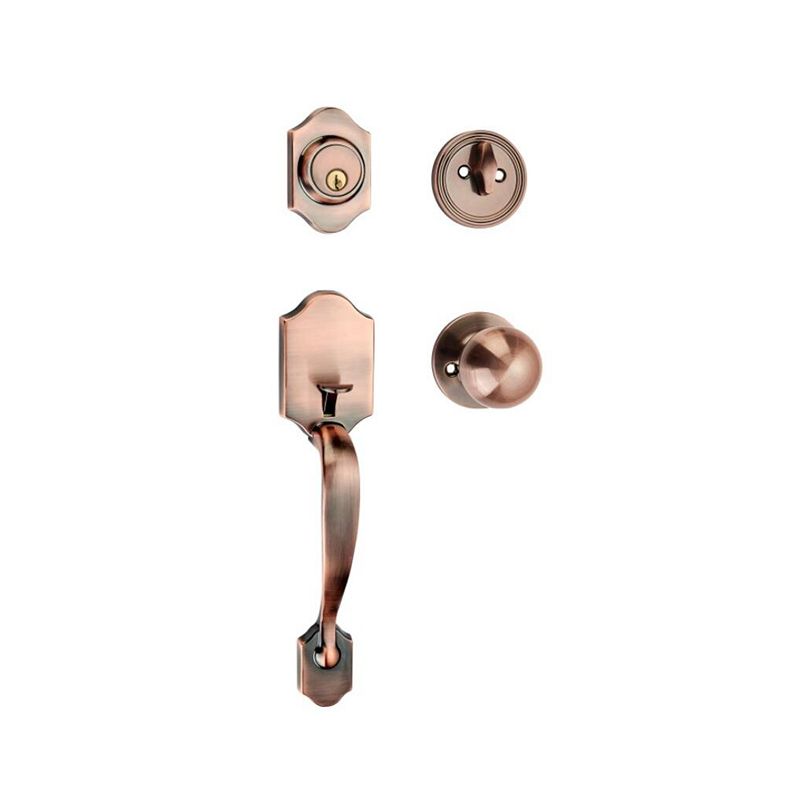
Luxury villa door handle locks combine superior security with exceptional aesthetics. The key design elements of luxury villa door handle locks include premium materials, distinctive styling, and high-quality finishing.
Design elements
The handle form is a primary design element—it must be visually striking, ergonomic, and proportional to the door. The handle may be sculptural, with curves and contours that define the lock's character. Materials are selected for their beauty as well as their durability—solid brass, bronze, and stainless steel provide a rich appearance. Finishes such as polished brass, antique bronze, brushed nickel, and satin chrome add depth and complement the door and surrounding architecture. The escutcheon—the decorative plate around the handle—serves as a canvas for ornamentation, with engraved patterns, geometric shapes, or simple clean lines.
Customization and detailing
Luxury locks often offer customization options. These include custom finishes, lever styles, and personalized backplates. Attention to detail is evident in the quality of the casting, the precision of the machining, and the consistency of the finish—these details elevate a lock from functional hardware to a design statement.
luxury versus standard villa lock design
- Luxury villa locks: premium materials, sculptural design, fine finishes, customization options, design statement
- Standard villa locks: good materials, functional design, standard finishes, limited customization, functional hardware
FAQ
Q1: What is the best material for a front door lock?
Solid brass and stainless steel are the best materials for front door locks. Both offer excellent corrosion resistance, high strength, and long-term durability. Solid brass develops a protective patina, and stainless steel forms a passive oxide layer. Zinc alloy locks are more vulnerable to corrosion unless they have a high-quality protective finish.
Q2: How do I determine the handing of my door?
Stand outside the door facing the door. If the hinges are on your left, the door is left-handed. If the hinges are on your right, the door is right-handed. Then determine whether the door swings inward or outward—this defines the handing exactly.
Q3: Are large-handle villa locks more secure than standard locks?
Large-handle villa locks can provide higher security because they accommodate larger, heavier-duty mechanisms and allow for more robust internal components. The increased size also contributes to better resistance to prying and impact.
Q4: How often should I replace my front door lock?
Front door locks should be replaced every 10–15 years for standard residential use, or sooner if they show signs of wear—sticking, difficulty turning, or finish wear. For high-security applications, regular inspection and lubrication are recommended.
Q5: What is the most common design style for luxury villa door handle locks?
Classic styles—traditional, modern, and transitional—remain the most common. Traditional designs include ornate details and curved forms; modern designs are minimal and geometric; transitional designs blend both. Custom designs are also available for high-end projects.

 English
 русский
 中文简体
中文简体 Español
 عربى
عربى