The Complete Guide to Entry Door Hardware: Security, Installation, Materials, and Design
How to Select an Entry Door Knob Lock That Meets Elevated Standards for Security, Privacy, and Aesthetics
The selection criteria for entry door hardware
Choosing an entry door knob lock is about balancing three equally important factors: security, privacy, and aesthetics. The right lock not only protects your home but also welcomes visitors and complements your architectural style. How to select an entry door knob lock that meets elevated standards begins with understanding what each factor requires and how they interact.
Security considerations
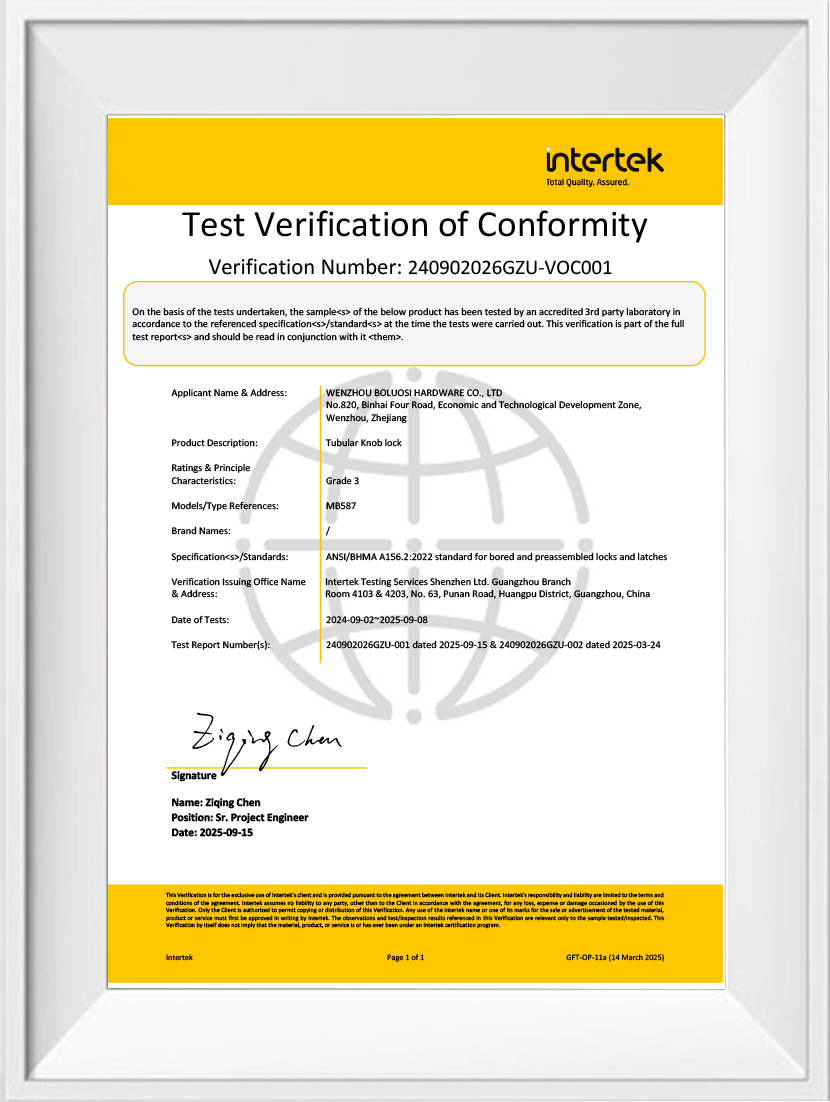
Security starts with the lock's grade. ANSI/BHMA grades range from Grade 1 (highest security, commercial-grade) to Grade 3 (basic residential). For exterior doors, Grade 1 or Grade 2 is recommended. Look for features like solid metal construction, anti-pick pins, anti-drill plates, and bump-resistant cylinders. Deadbolts should have at least a 1-inch throw bolt. Smart locks add another layer of security with features like auto-locking, remote access, and activity logs—but ensure the digital security matches the physical security.
Privacy considerations
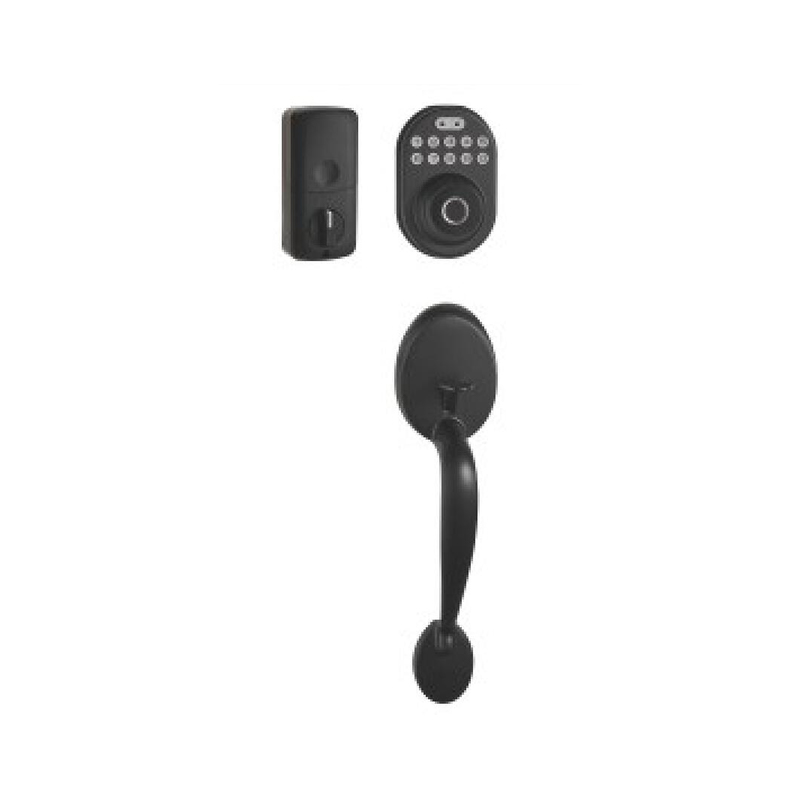
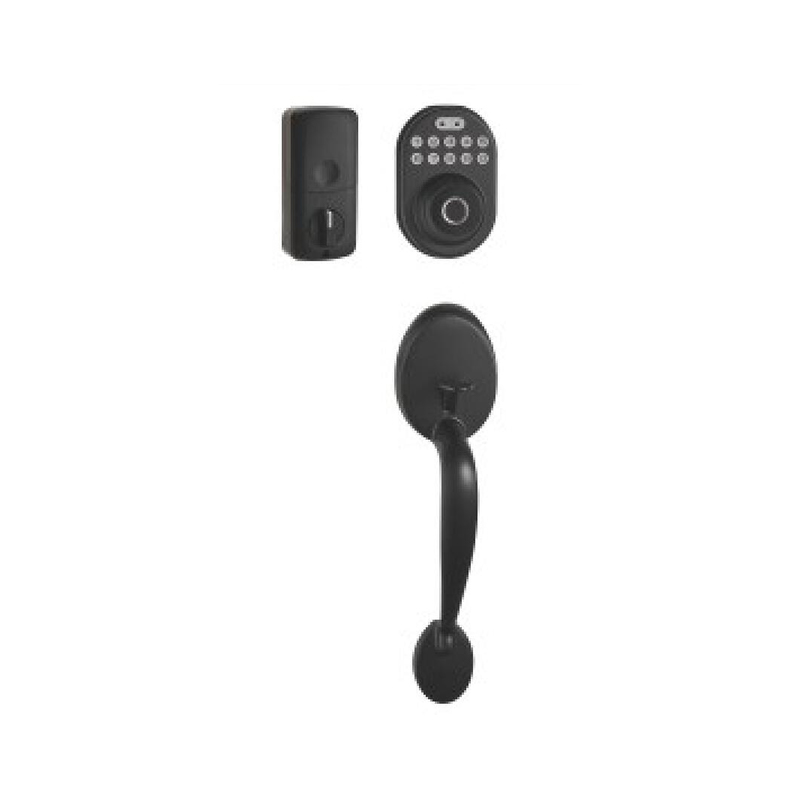
Privacy in an entry door lock means controlling who has access and when. Keyed entry locks offer traditional privacy—only those with keys can enter. Keypad locks provide access control without physical keys, allowing temporary codes for guests or service providers. Smart locks with fingerprint recognition offer the highest level of personalized access control. Consider whether you need a single-cylinder lock (keyed from outside, thumb turn inside) or a double-cylinder lock (keyed both sides) for doors with glass panels.
Aesthetics considerations
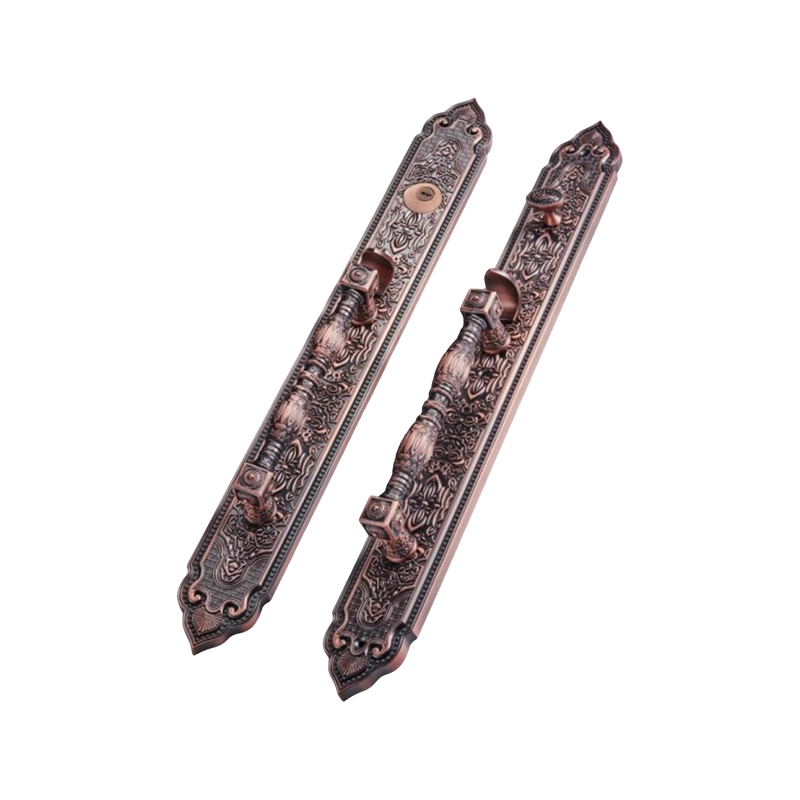
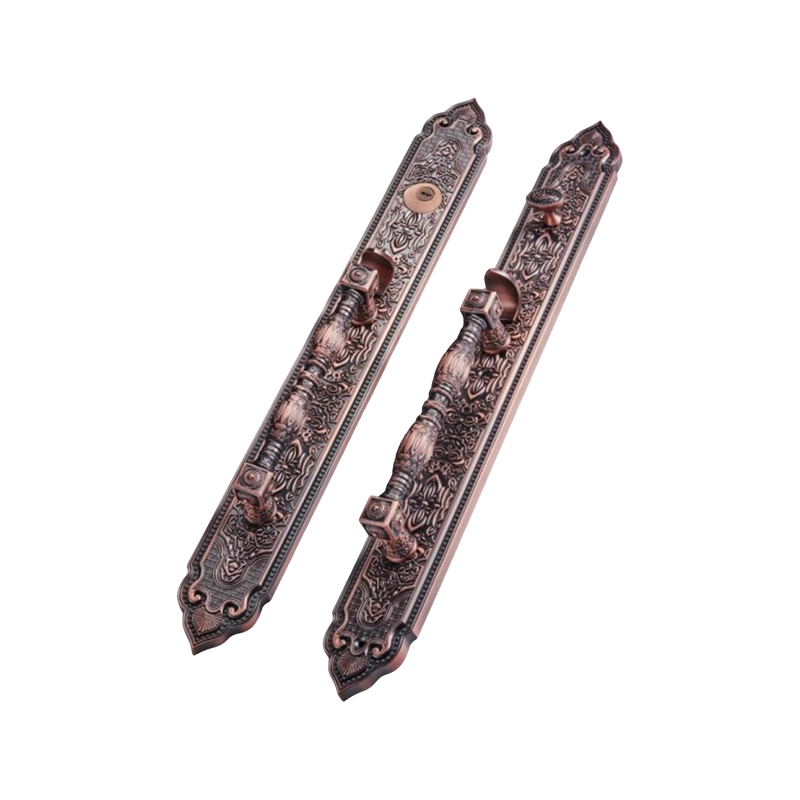
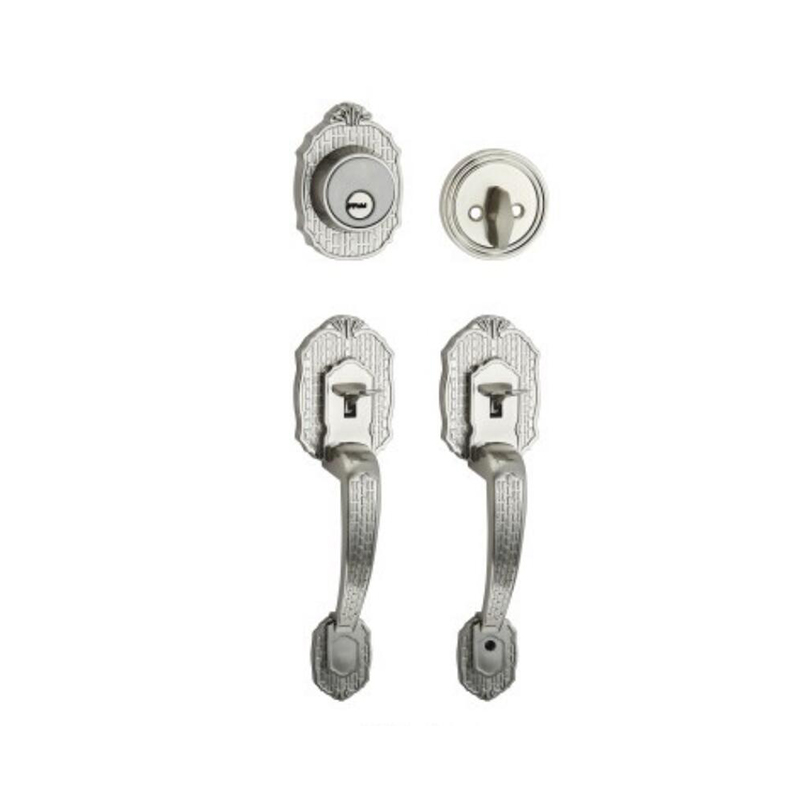
Aesthetics involve finish, style, and proportion. Finishes include polished brass, satin nickel, oil-rubbed bronze, chrome, and matte black. The finish should coordinate with other visible hardware—door hinges, house numbers, and light fixtures. Styles range from traditional (ornate, curved) to modern (clean lines, minimalist) to transitional (blending both). The lock should be proportionate to the door—larger locks on larger doors, smaller locks on narrower doors.
entry door knob lock selection matrix
|
Feature
|
Security Priority
|
Privacy Priority
|
Aesthetic Priority
|
|
ANSI Grade
|
Grade 1 or 2
|
Grade 2 is sufficient
|
Grade does not affect appearance
|
|
Lock type
|
Deadbolt + knob
|
Single vs double cylinder
|
Style and finish selection
|
|
Access method
|
Key, keypad, or biometric
|
Who needs access
|
Visual integration with door
|
|
Finish
|
Performance coating
|
Durability matters
|
Coordination with other hardware
|
|
Style
|
Minimal effect
|
Minimal effect
|
Primary driver of appearance
|
What Is the Real-World Experience of Installing and Using a Combo Set Lockset?
The combo set lockset experience
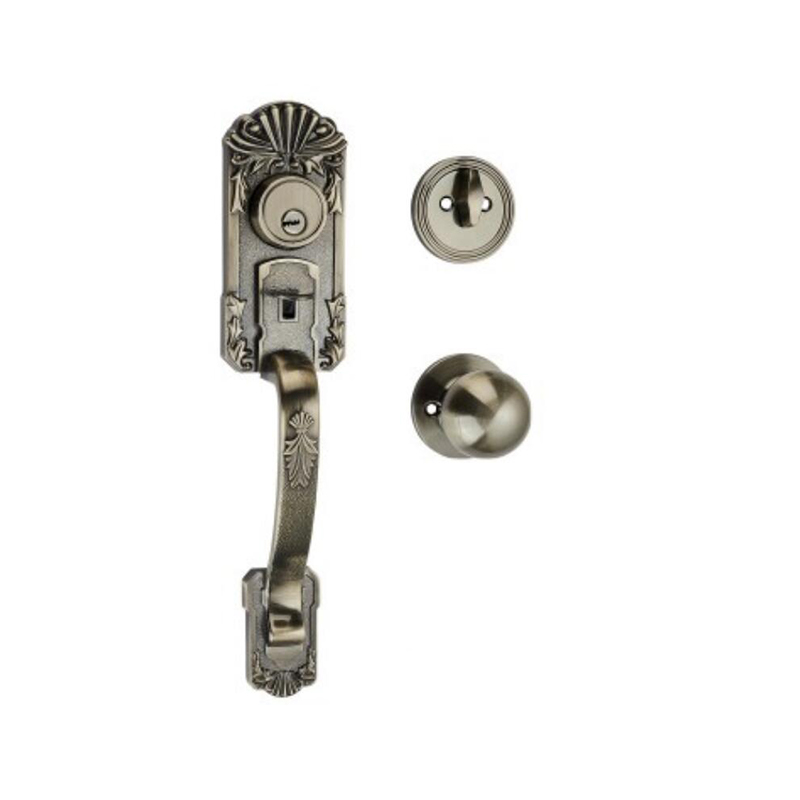
A combo set lockset combines a knob or lever with a deadbolt in a single unit, sharing a common key or access method. The real-world experience of installing and using a combo set lockset is defined by simplicity and convenience. Installation typically takes 30–60 minutes with basic tools. The unified design eliminates the need to align separate locks, and the shared key system simplifies daily use.
Installation experience
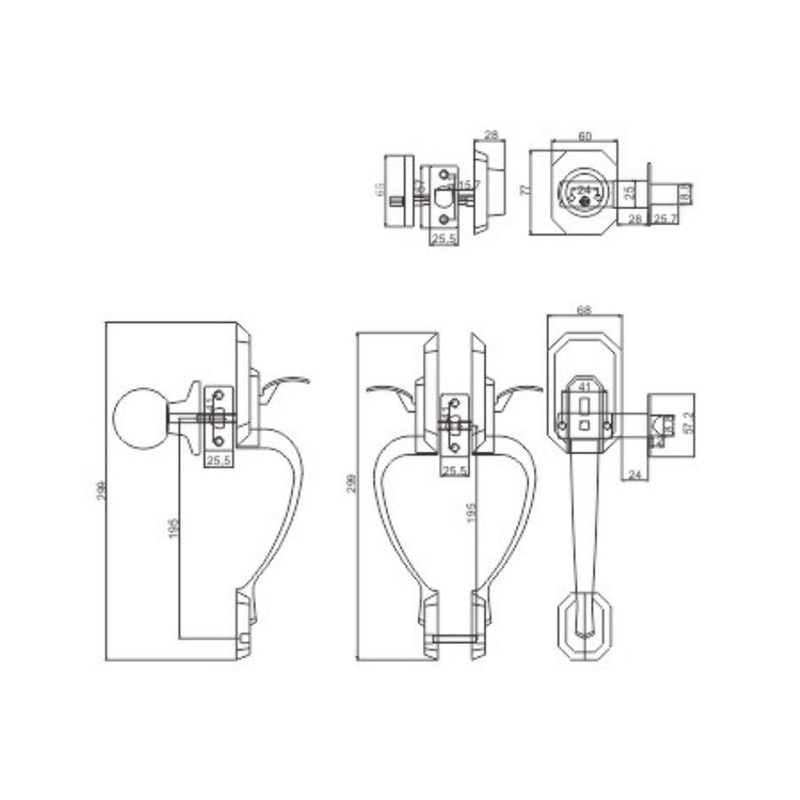
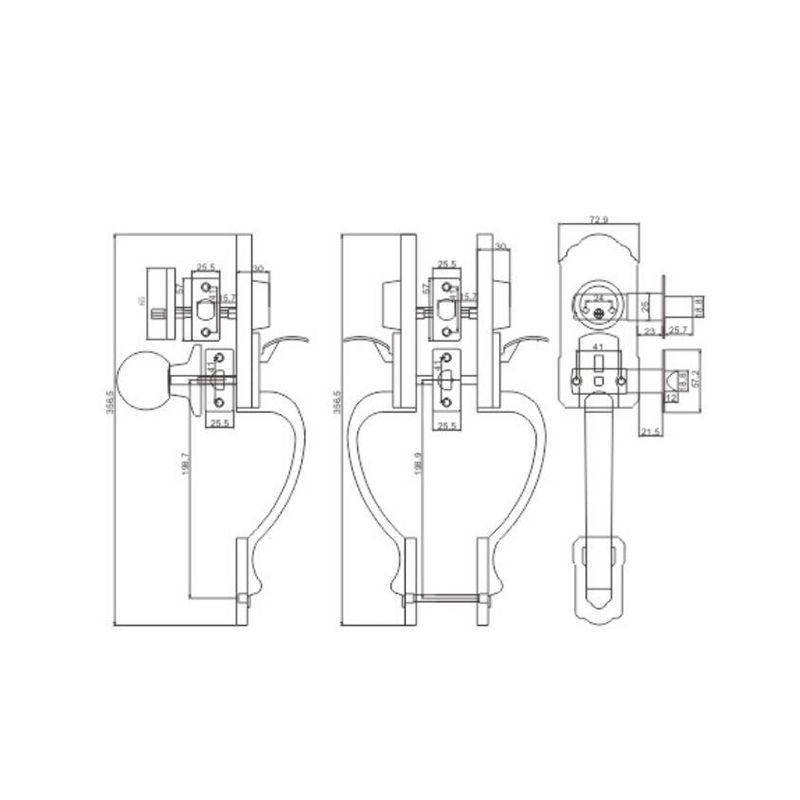
Most combo set locksets come pre-assembled, with clear instructions and included hardware. The installation involves removing the existing lock, inserting the new unit, and securing it with screws. The latch alignment is critical—misalignment causes dragging and premature wear. combo set locksets with adjustable backsets fit most standard doors, reducing the need for custom modifications. The installation is manageable for DIYers but can be completed by a locksmith in 20 minutes.
Daily usage experience
Using a combo set lockset is straightforward. A single key operates both the knob and the deadbolt, eliminating the frustration of multiple keys. Some combo set locksets offer keypad or smart access, providing keyless entry and activity tracking. The deadbolt provides security when needed; the knob handles daily door operation. Users appreciate the clean, unified appearance and the reduced clutter on the door surface.
combo set lockset versus separate knob and deadbolt
- combo set lockset: single installation, shared key or access method, unified appearance, lower total cost
- Separate knob and deadbolt: requires two installations, separate keys or access methods, less unified appearance, higher total cost
- Smart combo set lockset: single installation, keyless access options, unified appearance, moderate cost, requires battery maintenance
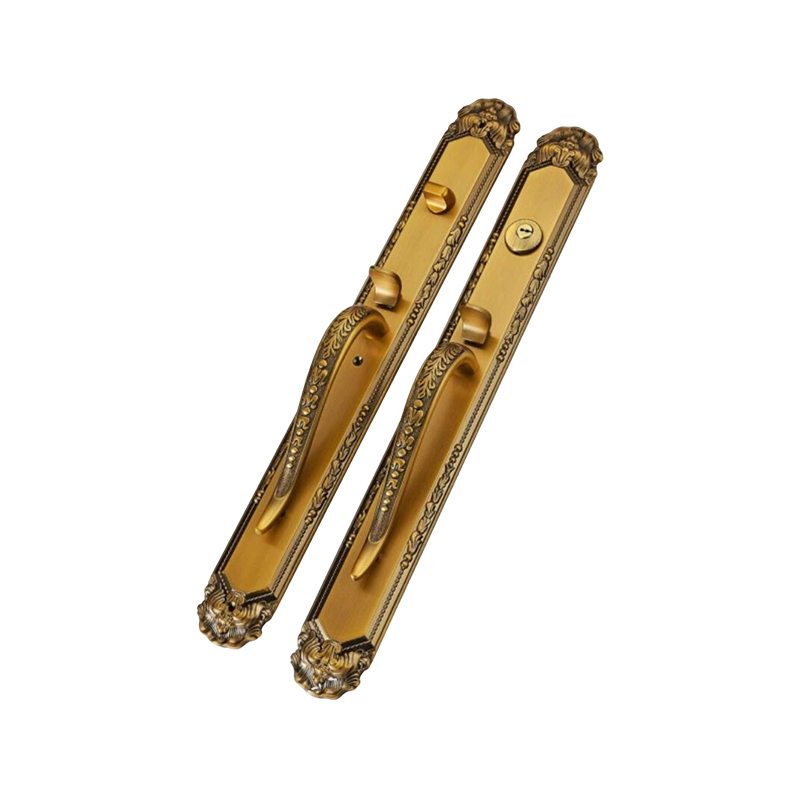
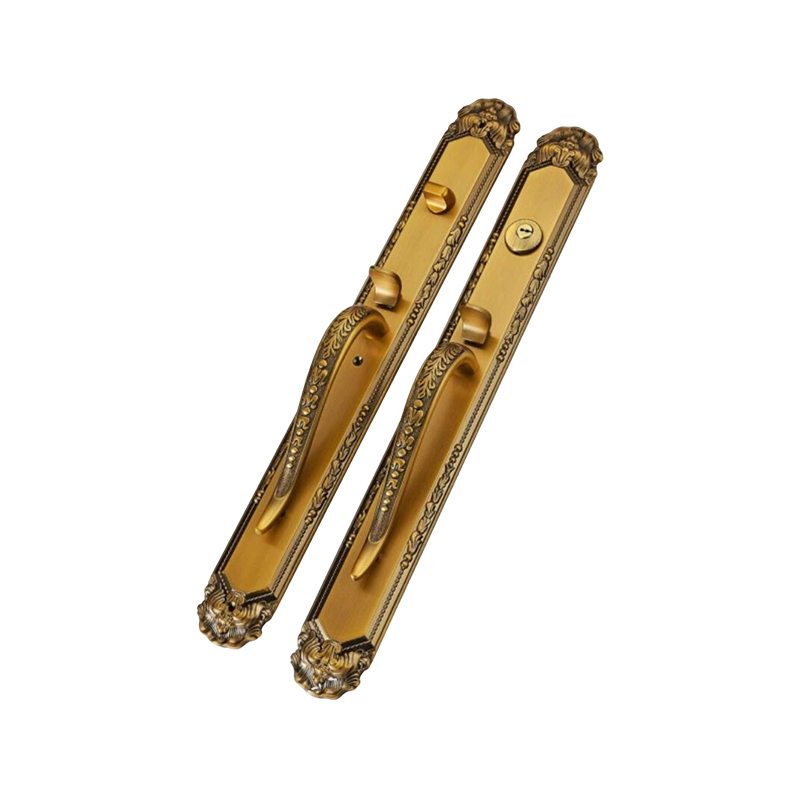
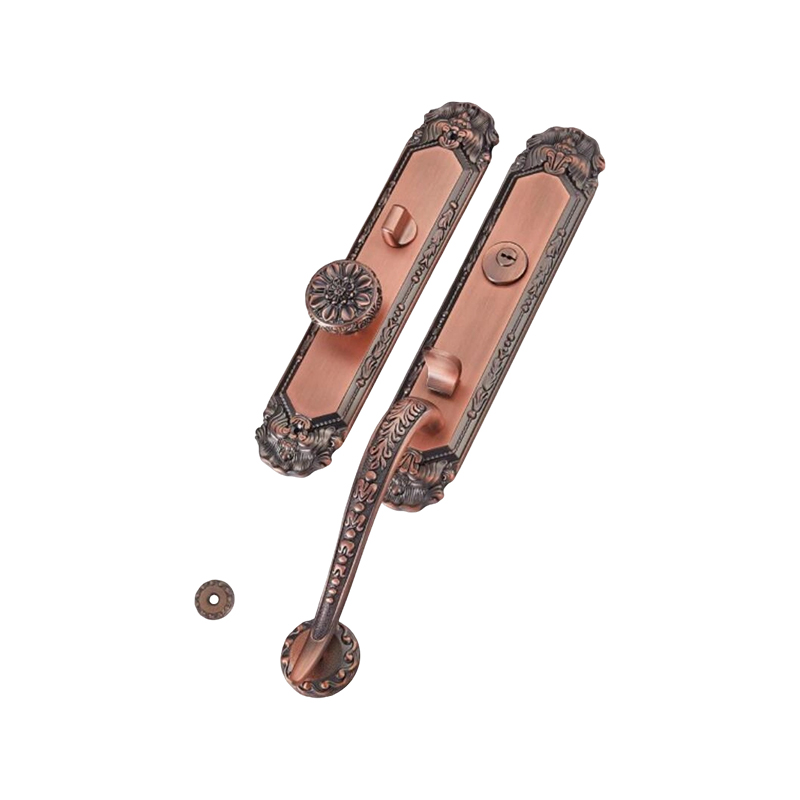
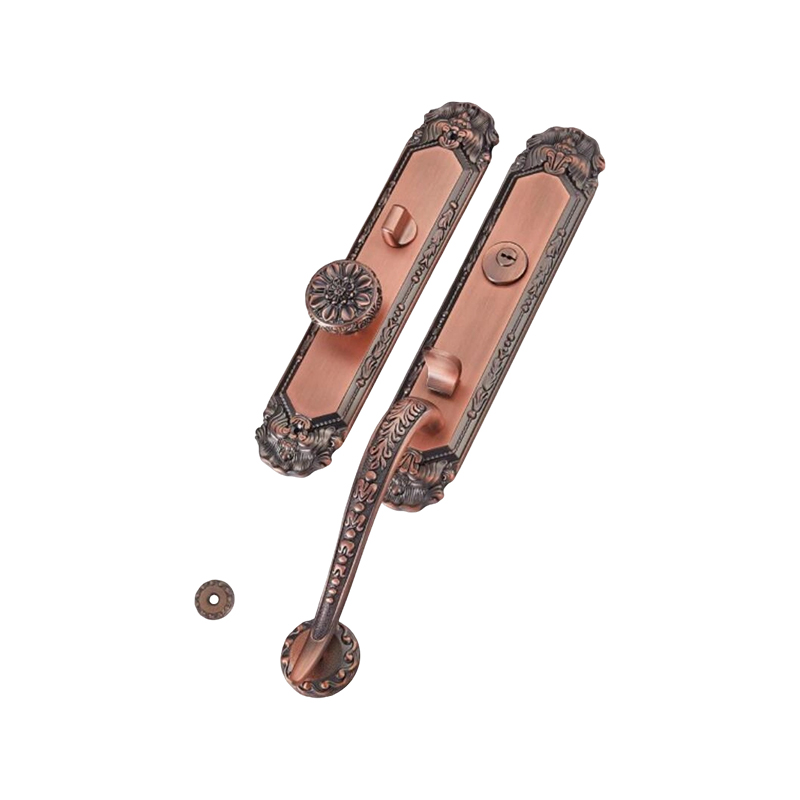
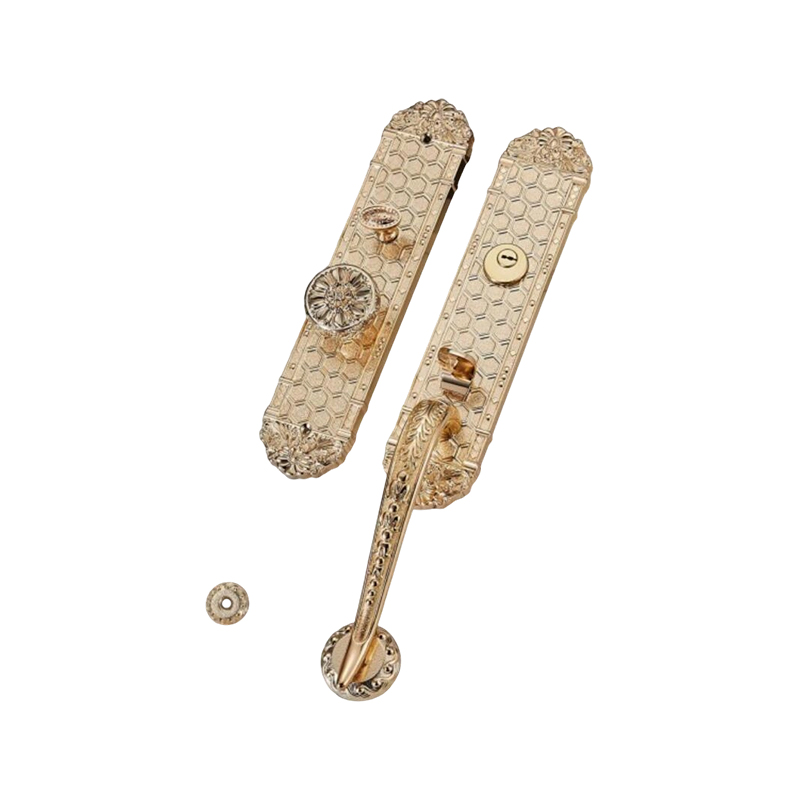
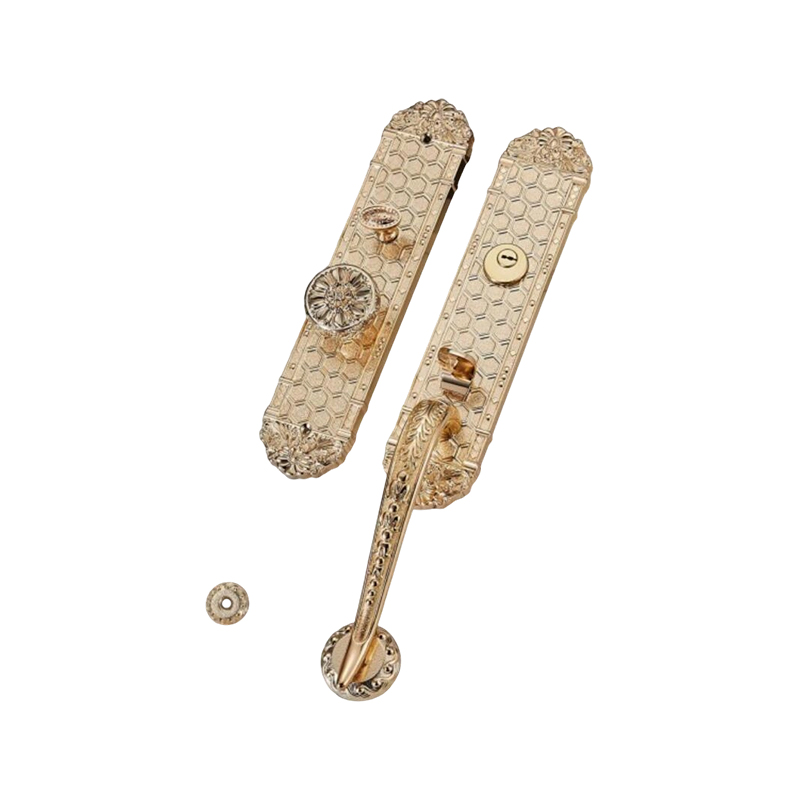
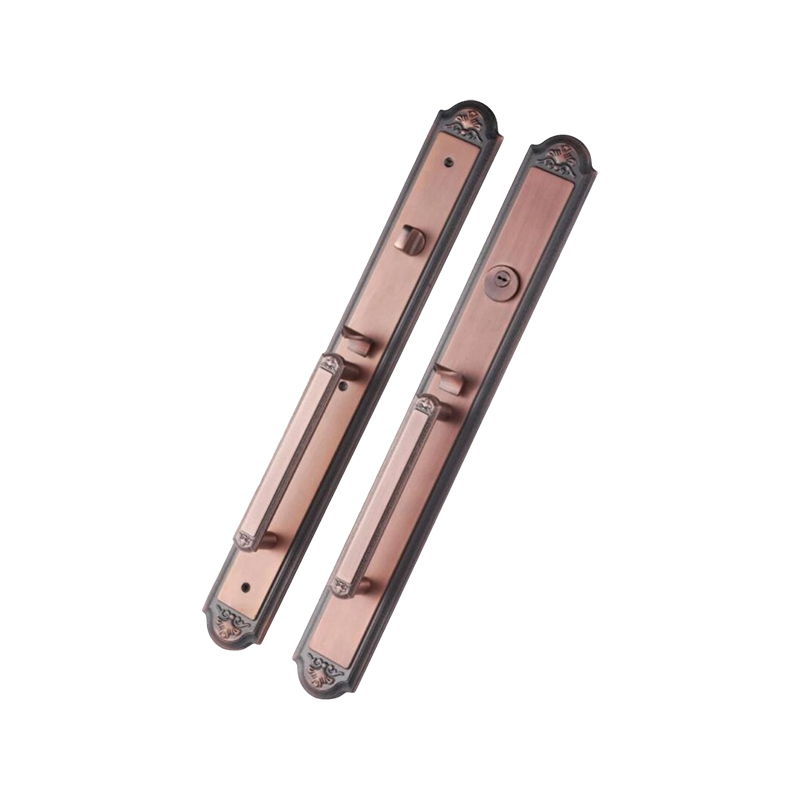
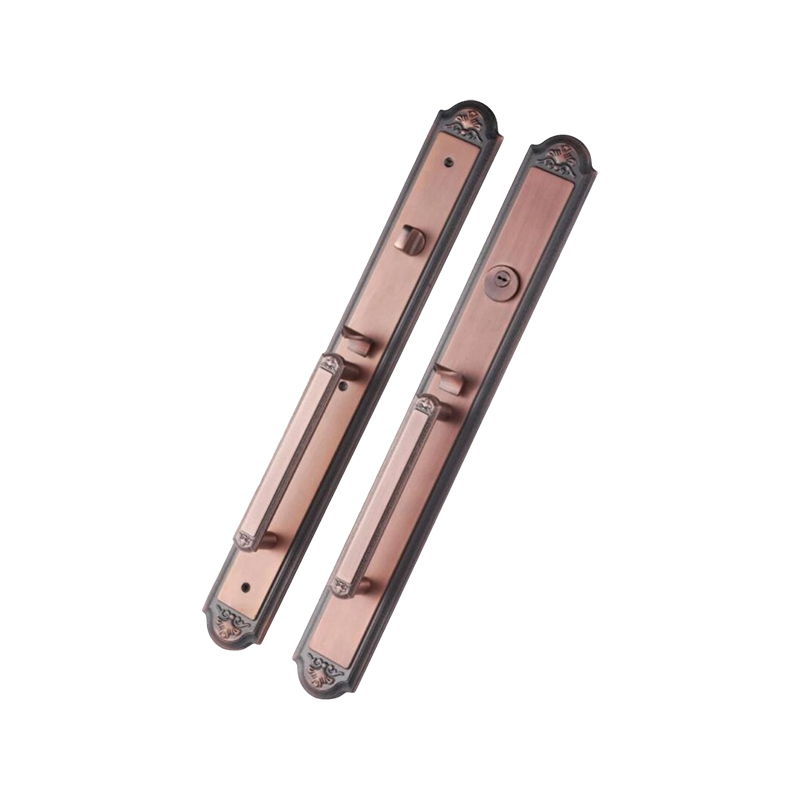
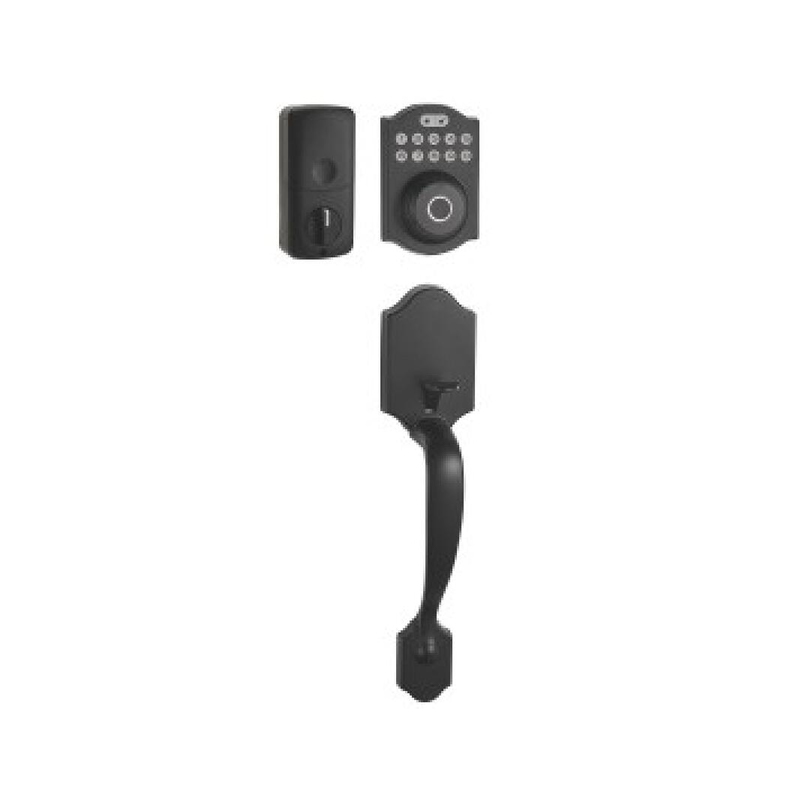
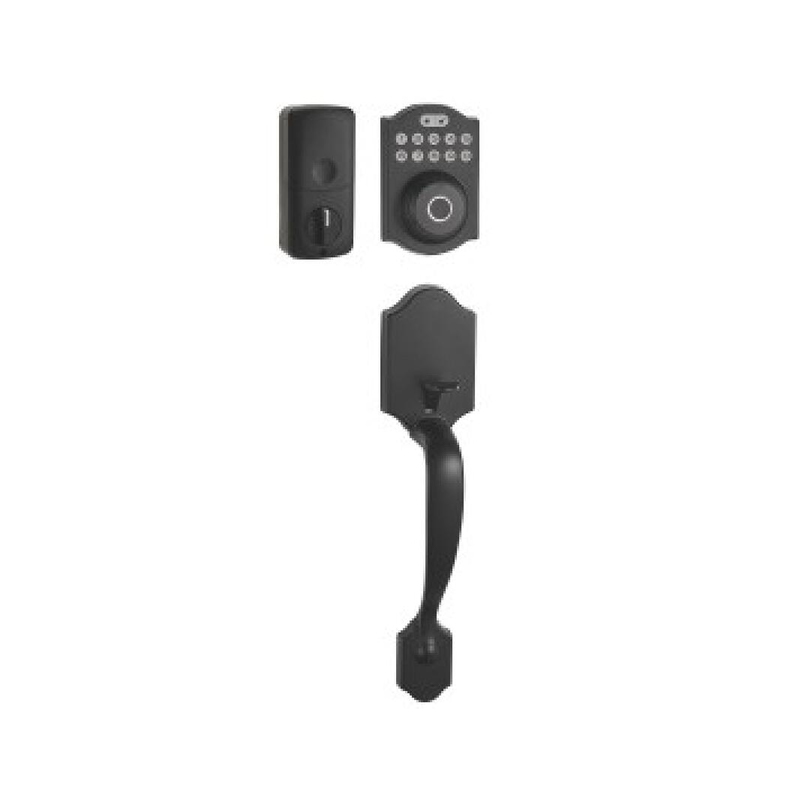
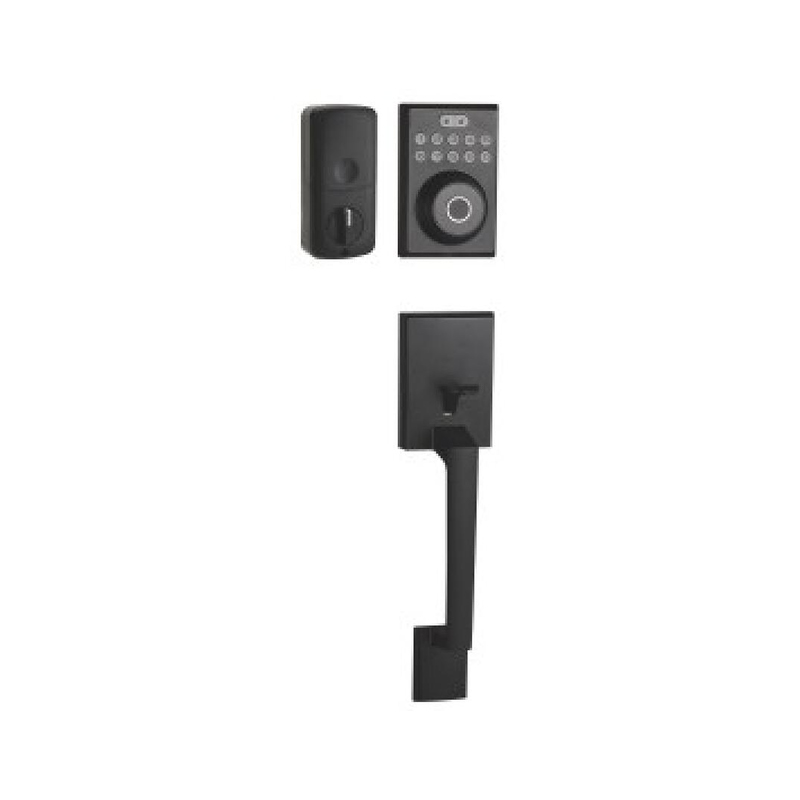
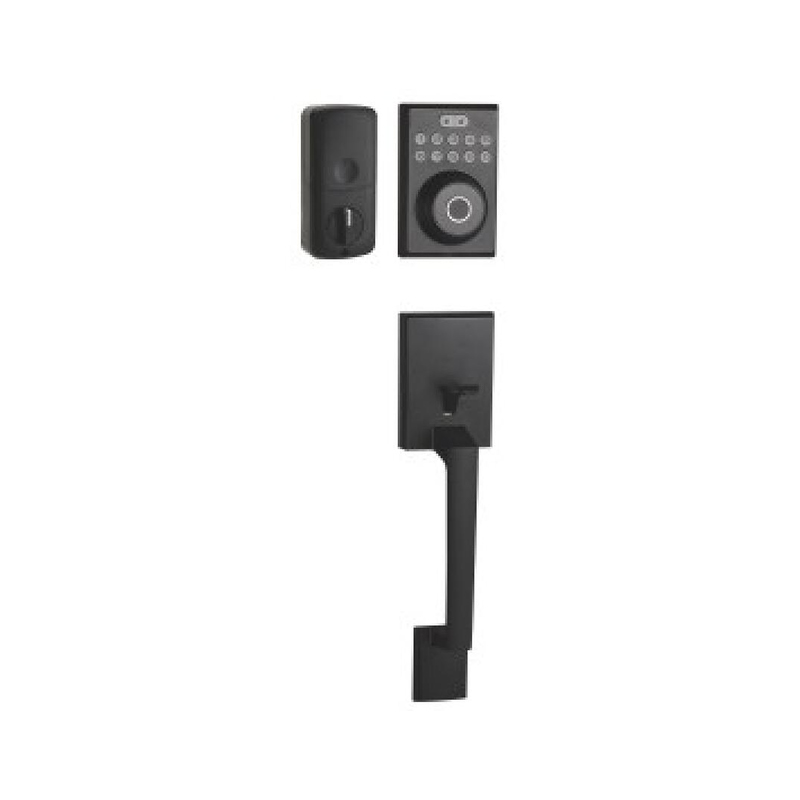
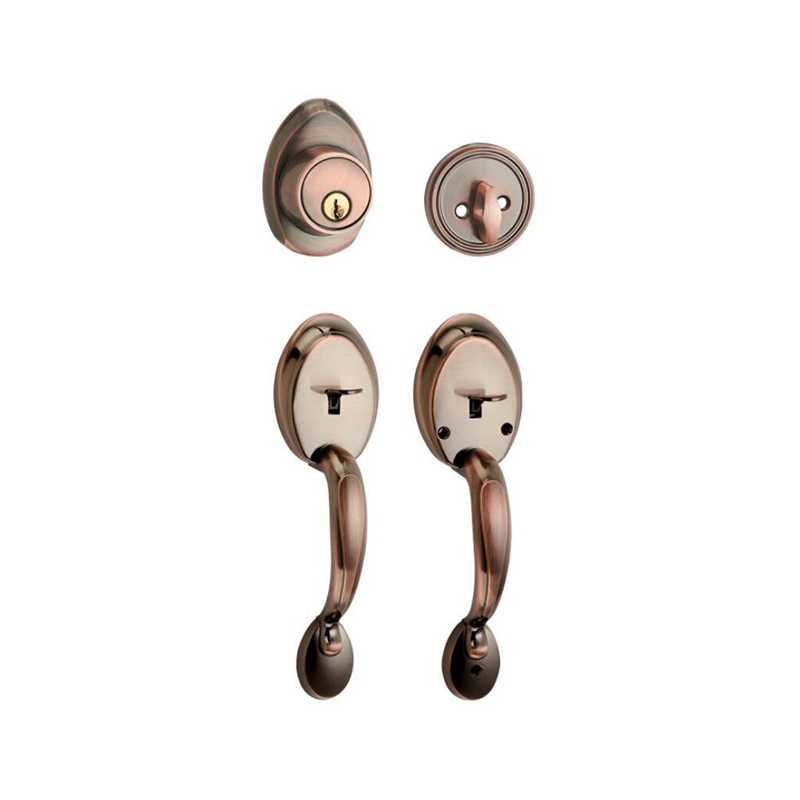
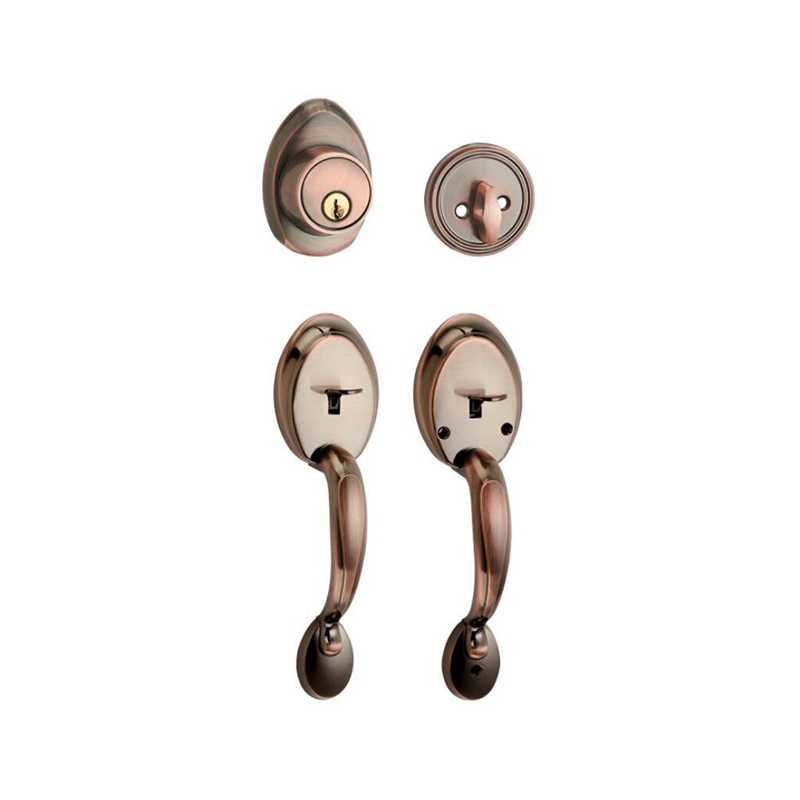
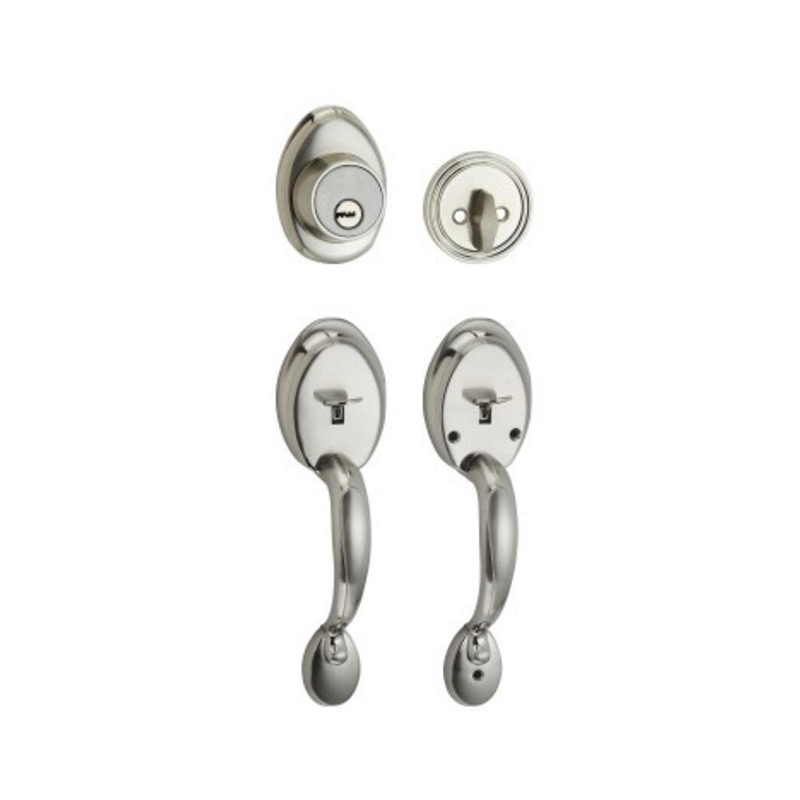
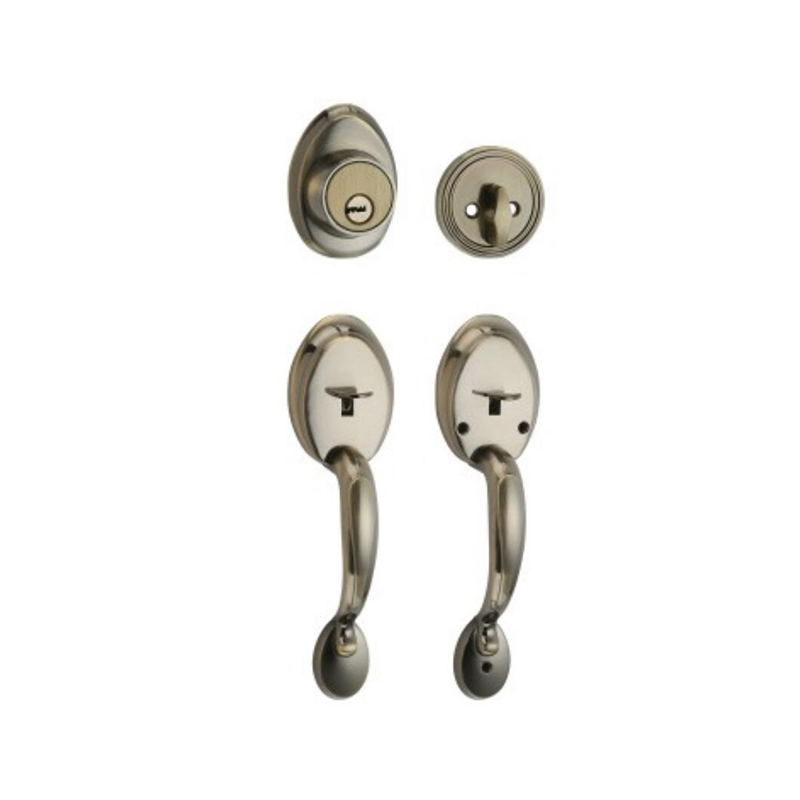
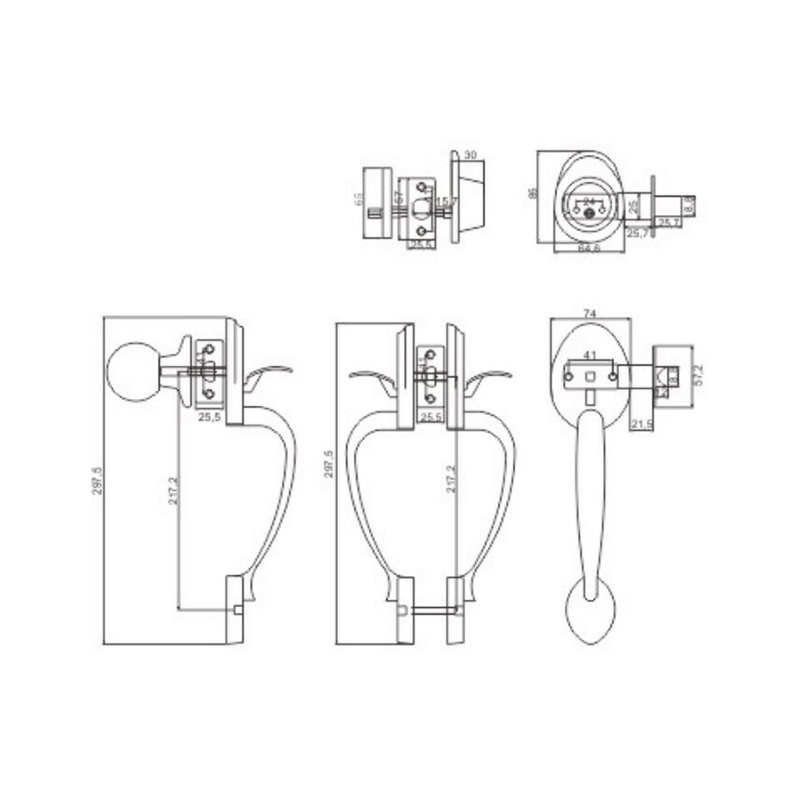
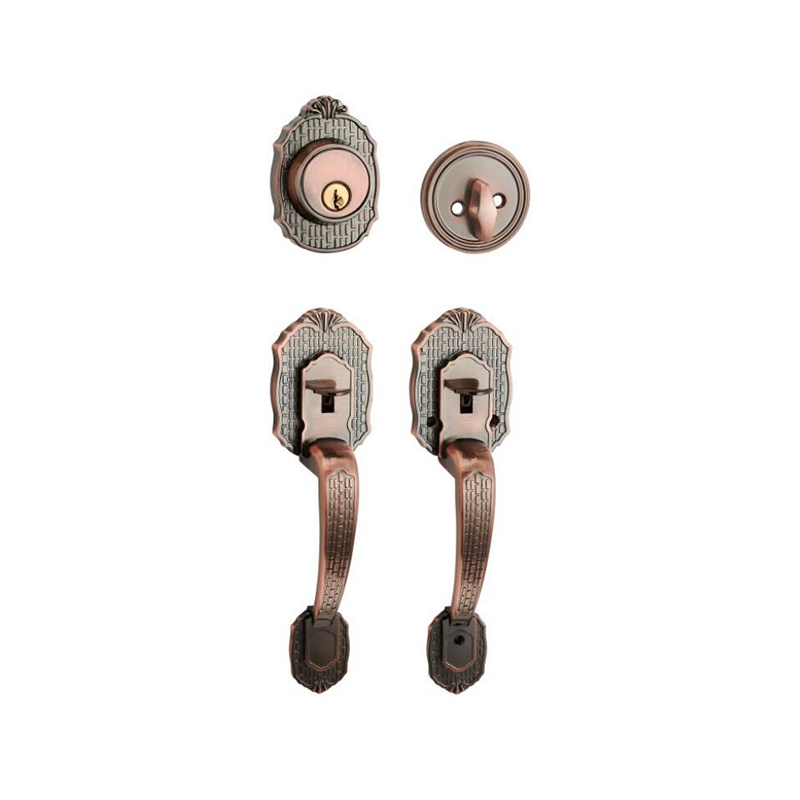
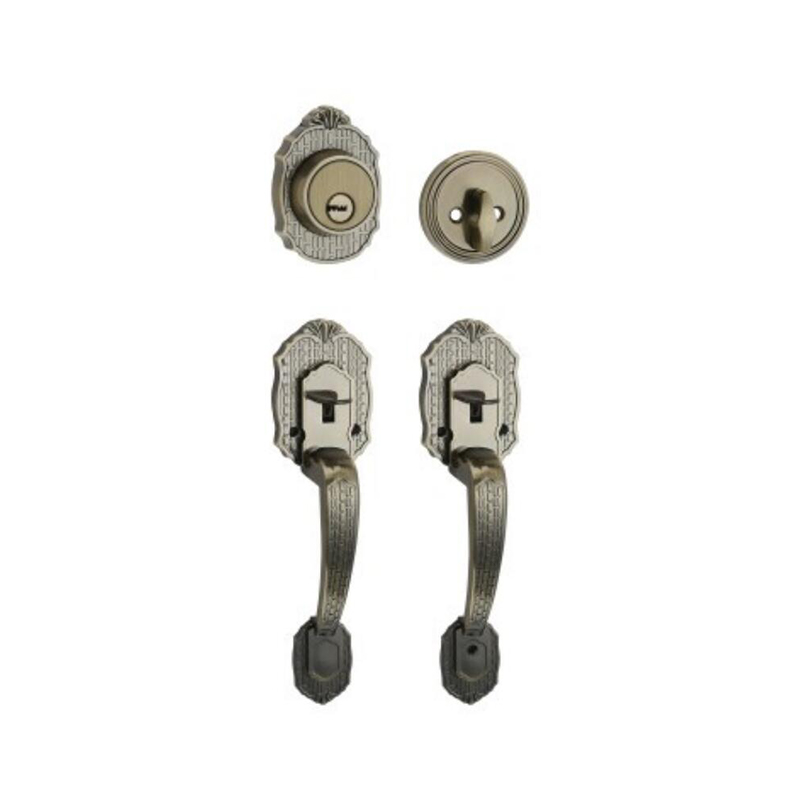
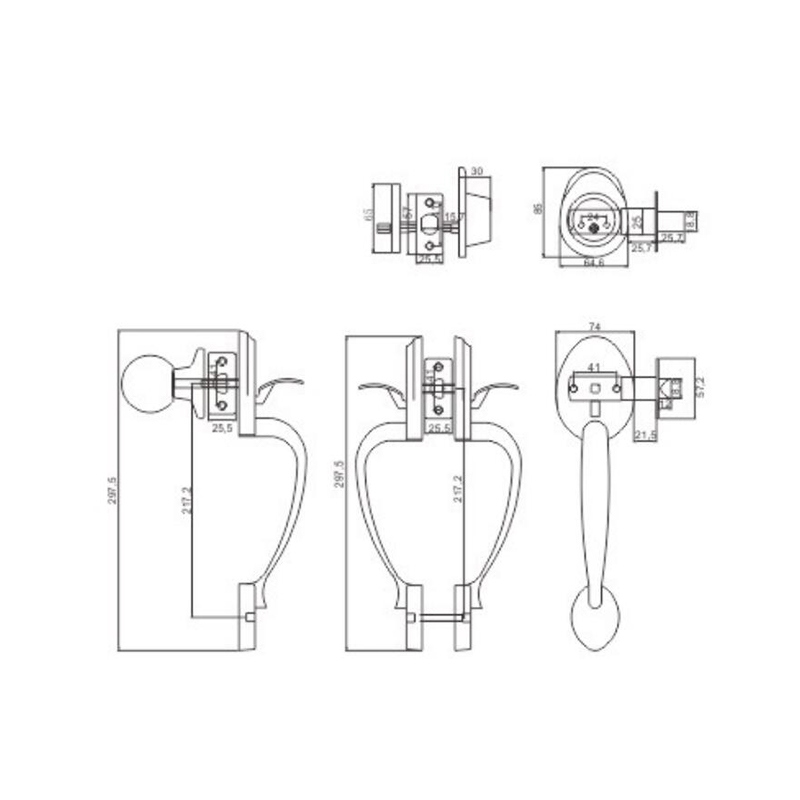
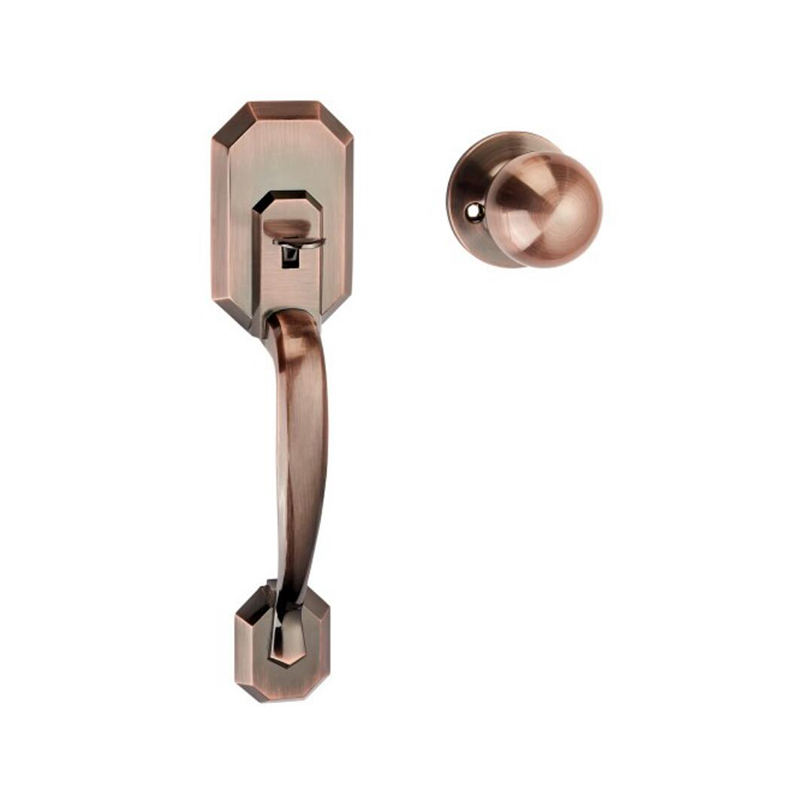
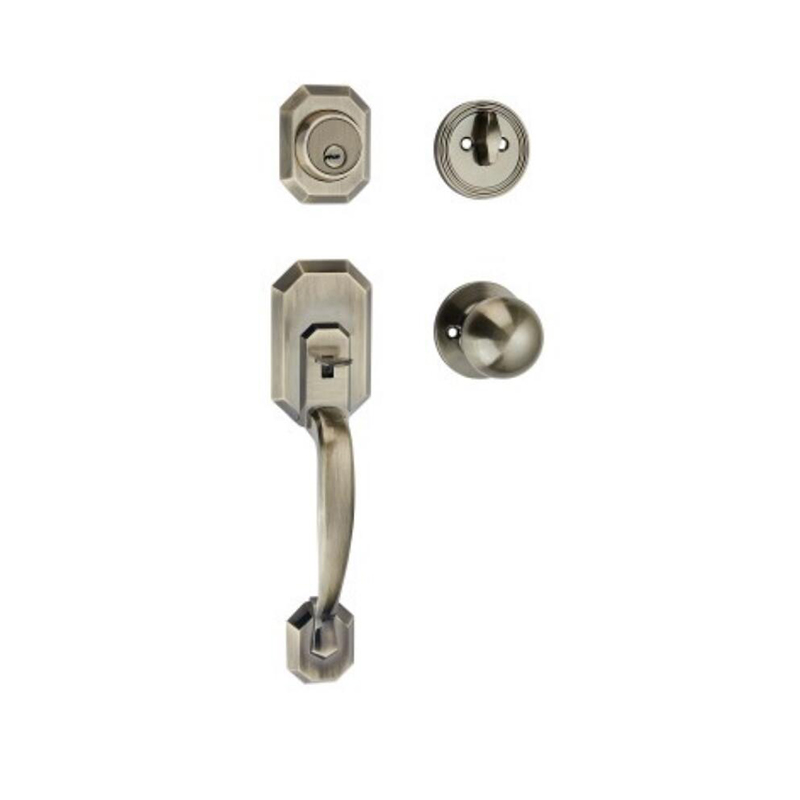
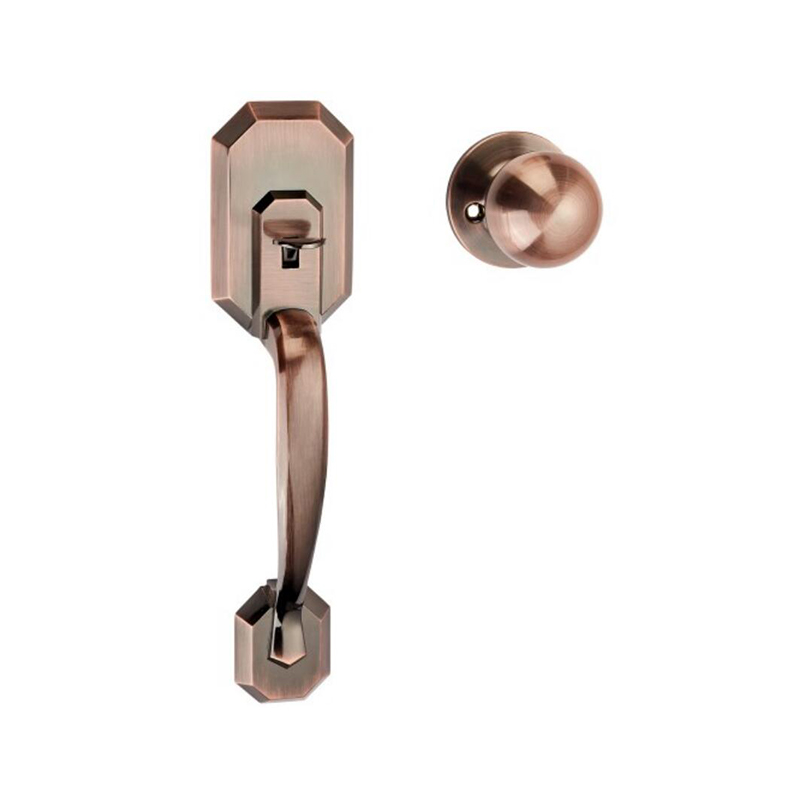
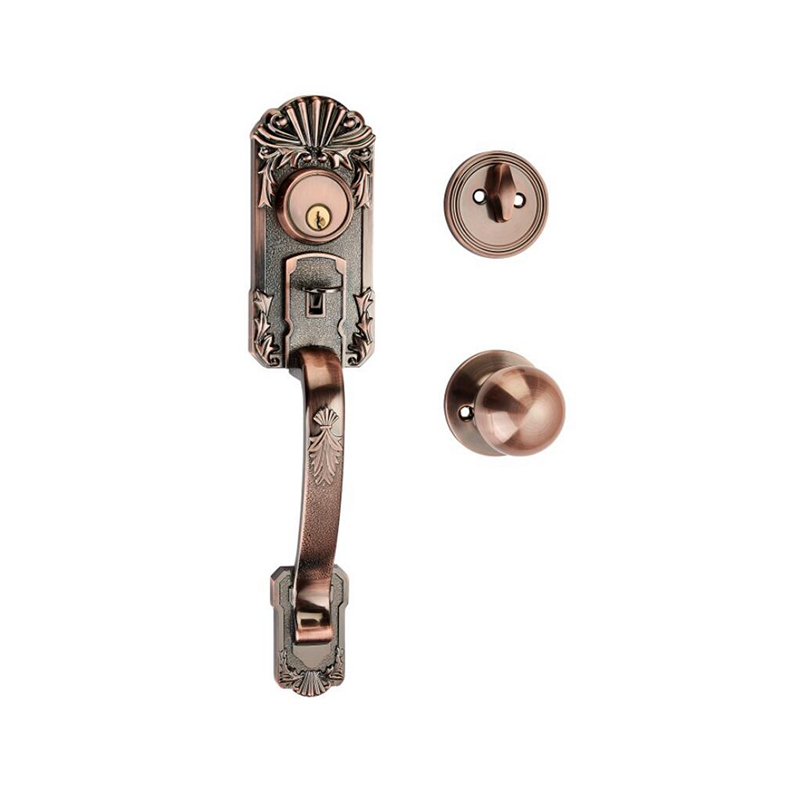
- Integrated handle set: single installation, larger visual presence, premium aesthetic, highest cost, often includes deadbolt and handle in matching design
What Are the Material Advantages and Durability Features of Aluminum Door Leversets?
The material advantages of aluminum
Aluminum door leversets offer a compelling combination of durability, corrosion resistance, and lightweight construction. Unlike steel, which can rust, or brass, which can tarnish, aluminum's natural oxide layer protects against corrosion in all weather conditions. The material advantages and durability features of aluminum door leversets make them an excellent choice for both residential and commercial applications.
The material advantages of aluminum
Aluminum leversets are lighter than steel or brass equivalents, reducing strain on the door and hinges—particularly valuable for larger doors or for users with limited hand strength. Aluminum naturally forms a protective oxide layer when exposed to air, making it resistant to moisture, salt, and environmental exposure, ideal for coastal areas or humid climates. Aluminum also dissipates heat quickly, maintaining comfortable surface temperatures in extreme weather.
Durability features of aluminum leversets
Modern aluminum leversets use high-strength alloys, typically 6061 or 6063, providing tensile strength comparable to many steels. The levers are engineered with reinforced internal components—gears, springs, and pins—designed for millions of cycles. Many aluminum leversets carry ANSI Grade 1 or 2 certifications, indicating they meet rigorous durability standards. The surface finishes—anodized, powder-coated, or painted—are baked on for long-lasting protection against wear and UV degradation.
Table: aluminum versus other materials for door leversets
|
Material
|
Weight
|
Corrosion Resistance
|
Strength
|
Maintenance
|
Cost
|
Best Application
|
|
Aluminum
|
Lightest
|
Excellent (natural oxide layer)
|
High (with alloys)
|
Minimal
|
Moderate
|
Coastal, high-humidity, residential
|
|
Stainless steel
|
Heavy
|
Excellent (chromium oxide)
|
Very high
|
Minimal
|
High
|
Commercial, high-traffic
|
|
Brass
|
Heavy
|
Good (with lacquer)
|
Moderate
|
Moderate
|
High
|
Traditional aesthetics, interior
|
|
Bronze
|
Heavy
|
Good (with patina)
|
High
|
Moderate
|
Very high
|
High-end, traditional aesthetics
|
|
Zinc alloy
|
Moderate
|
Moderate (with coating)
|
Moderate
|
Moderate
|
Low
|
Budget, low-traffic
|
The aesthetic role of stainless steel
Stainless steel locks occupy a unique position in home design—they are simultaneously functional hardware and visual statements. How stainless steel polished brushed locks blend design aesthetics with home décor styles is a question of finish selection and coordination with broader design elements.
The design language of polished stainless steel
Polished stainless steel offers a bright, reflective finish that catches light and creates a clean, contemporary appearance. It works best in modern and contemporary interiors characterized by clean lines, minimalist architecture, and reflective surfaces. The high shine complements glass, marble, and polished concrete. Polished stainless steel is often paired with chrome or nickel fixtures for a cohesive, hotel-like aesthetic. It is well-suited to entry doors where a bold statement is desired.
The design language of brushed stainless steel
Brushed stainless steel has a matte, non-reflective finish with subtle texture from the brushing process. This finish absorbs rather than reflects light, creating a softer, more understated appearance. It works across a broader range of design styles—traditional, transitional, and contemporary. The brushed finish hides fingerprints and smudges well, making it practical for high-touch areas. Brushed stainless steel coordinates with a wide range of hardware finishes, including satin nickel, oil-rubbed bronze, and black.
polished versus brushed stainless steel locks
- Polished stainless steel: reflective, bright, contemporary, bold, shows fingerprints
- Brushed stainless steel: matte, subdued, versatile, hides fingerprints, lower maintenance
- Polished with PVD coating: reflective, enhanced durability, scratch-resistant, moderate fingerprint visibility
- Brushed with PVD coating: matte, high durability, excellent scratch resistance, hides fingerprints well
FAQ
Q1: What lock grade should I choose for my exterior door?
For exterior doors, ANSI Grade 1 or Grade 2 is recommended. Grade 1 offers the highest security and durability for high-traffic and high-security applications. Grade 2 provides good security for most residential exterior doors. Grade 3 is suitable for interior doors only.
Q2: How do I know if a combo set lockset will fit my door?
Check your door's backset (the distance from the door edge to the center of the bore hole) and door thickness. Standard residential doors have a 2-3/8 or 2-3/4 inch backset and are 1-3/8 to 1-3/4 inches thick. Most combo set locksets are adjustable to fit these standard sizes.
Q3: Is aluminum hardware as durable as steel?
Modern aluminum alloys with proper finishing are highly durable and suitable for most residential applications. For high-traffic commercial applications requiring maximum durability, stainless steel remains the top choice. Aluminum offers excellent durability for residential use with significant weight savings.
Q4: Which finish is best for hiding fingerprints?
Brushed stainless steel and satin nickel finishes hide fingerprints and smudges best. Polished finishes—polished brass, polished chrome, polished stainless steel—show fingerprints clearly. For high-touch areas, choose a brushed or satin finish.
Q5: Can I mix metal finishes in my home?
Yes, but thoughtfully. The general rule is to choose one dominant finish for the entire home and use a second finish as an accent. For example, brushed stainless steel leversets with oil-rubbed bronze hinges and light fixtures. Avoid using more than two finishes in a single room for a cohesive appearance.

 English
 русский
 中文简体
中文简体 Español
 عربى
عربى