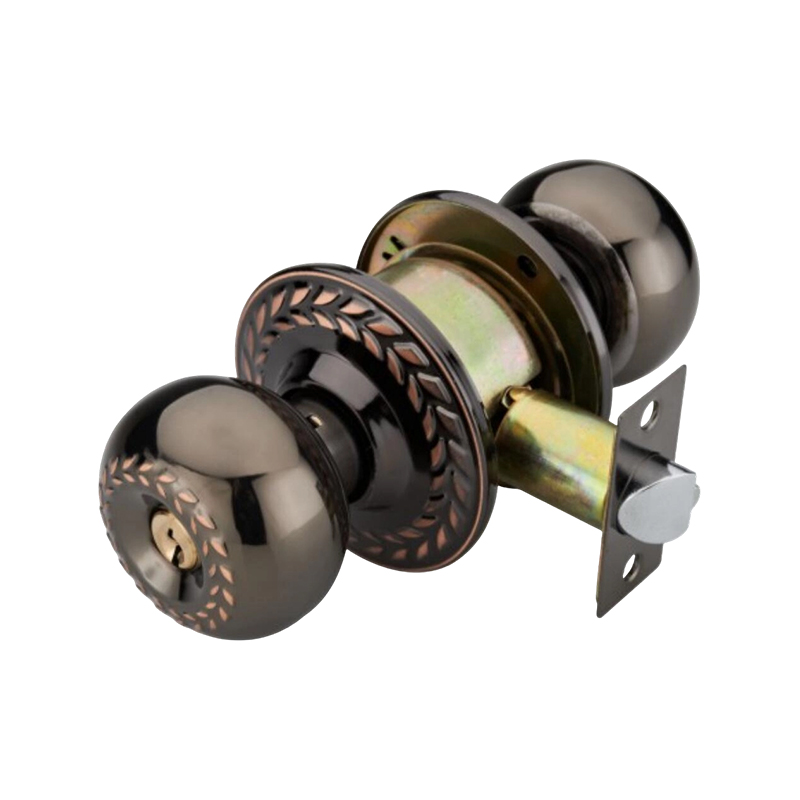
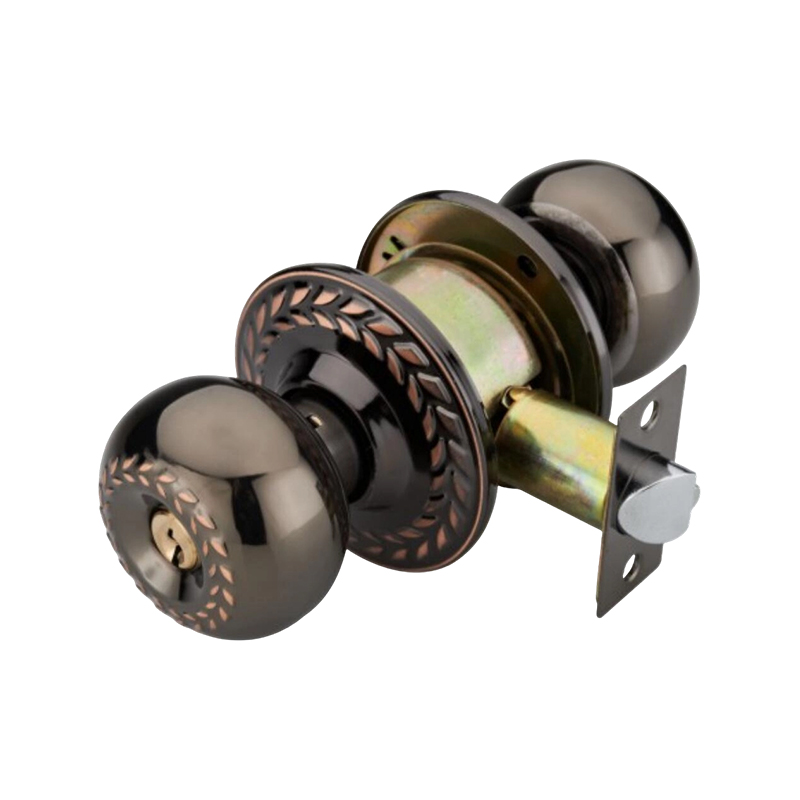
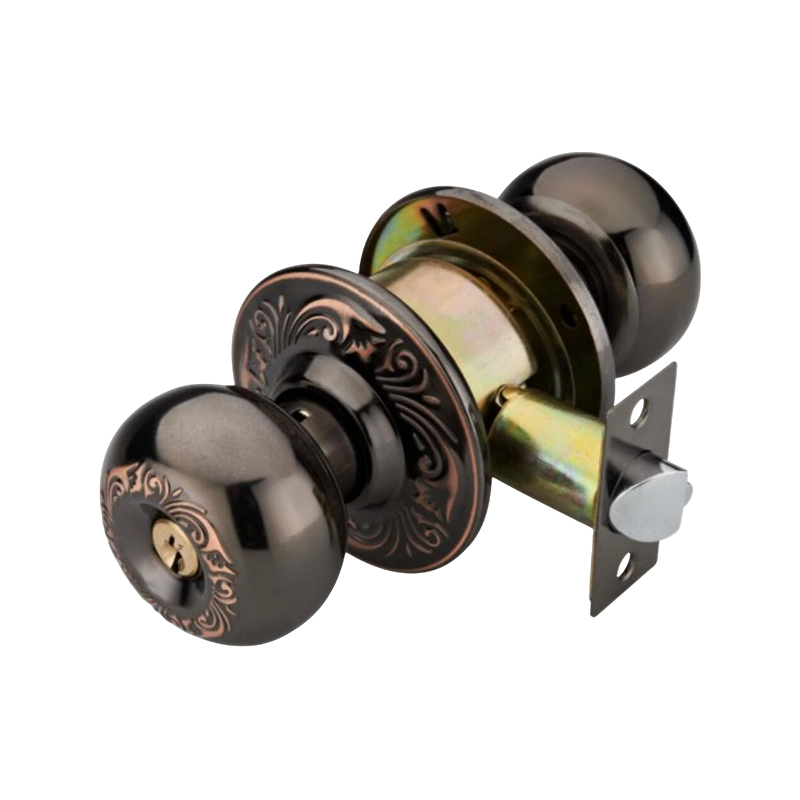
The Complete Guide to Knob Locks: Selection, Installation, Material Security, and Room-Based Choices
How to Choose the Right Type of Knob Lock?
The selection criteria for knob locks
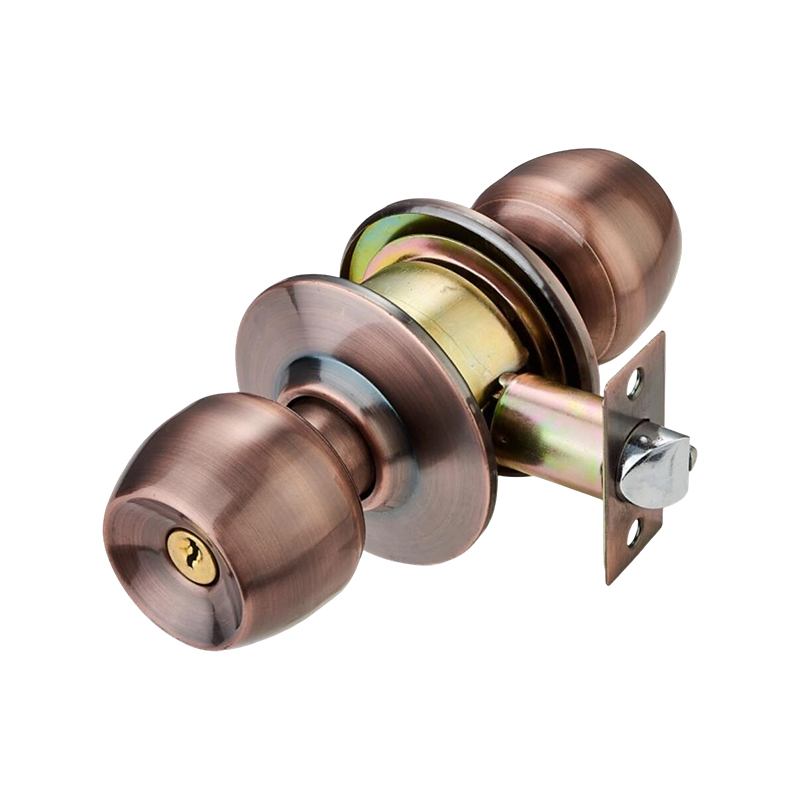
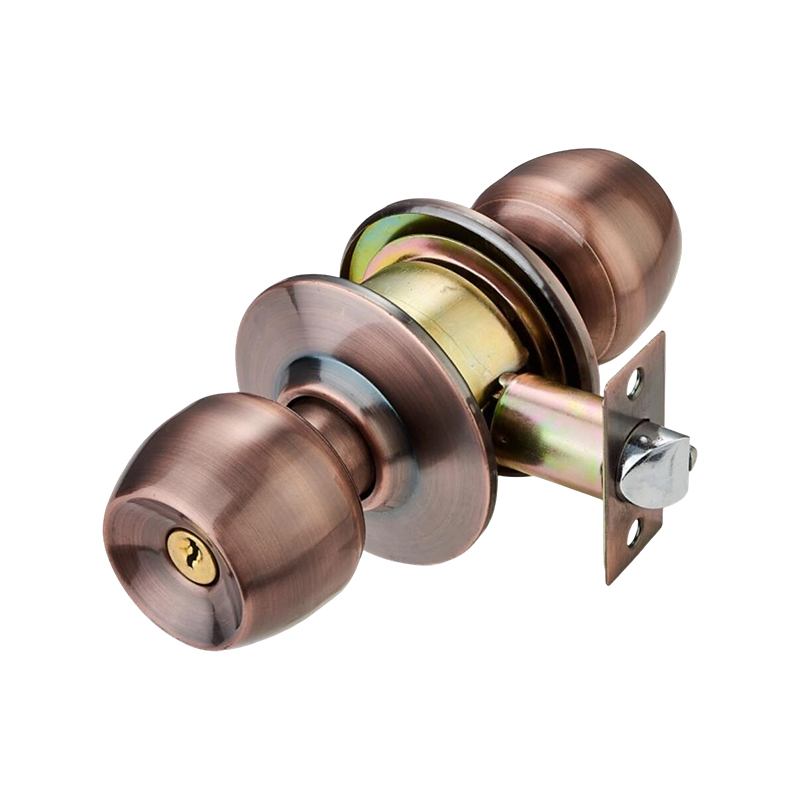
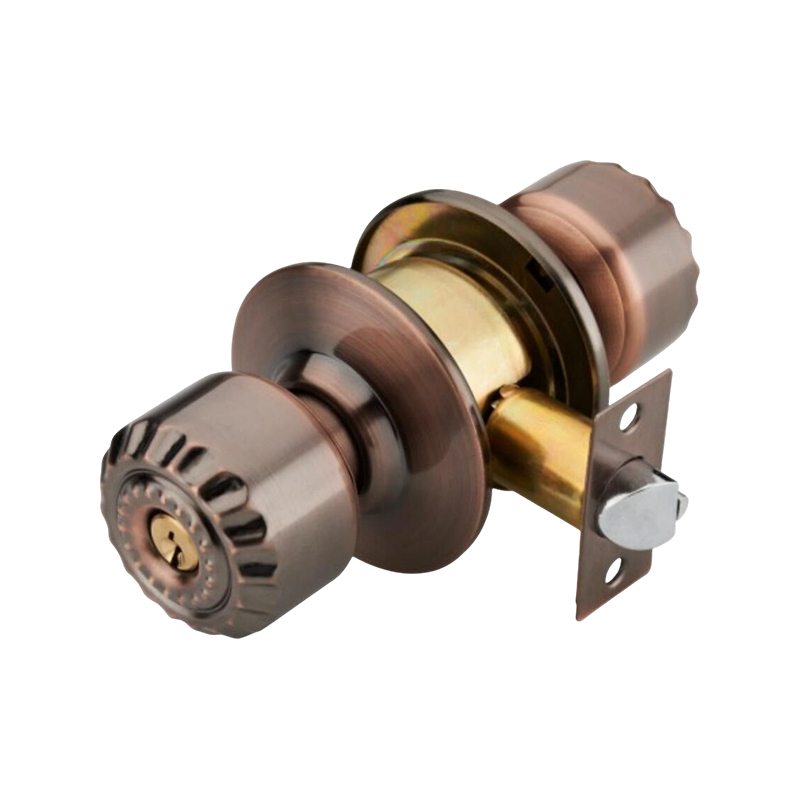
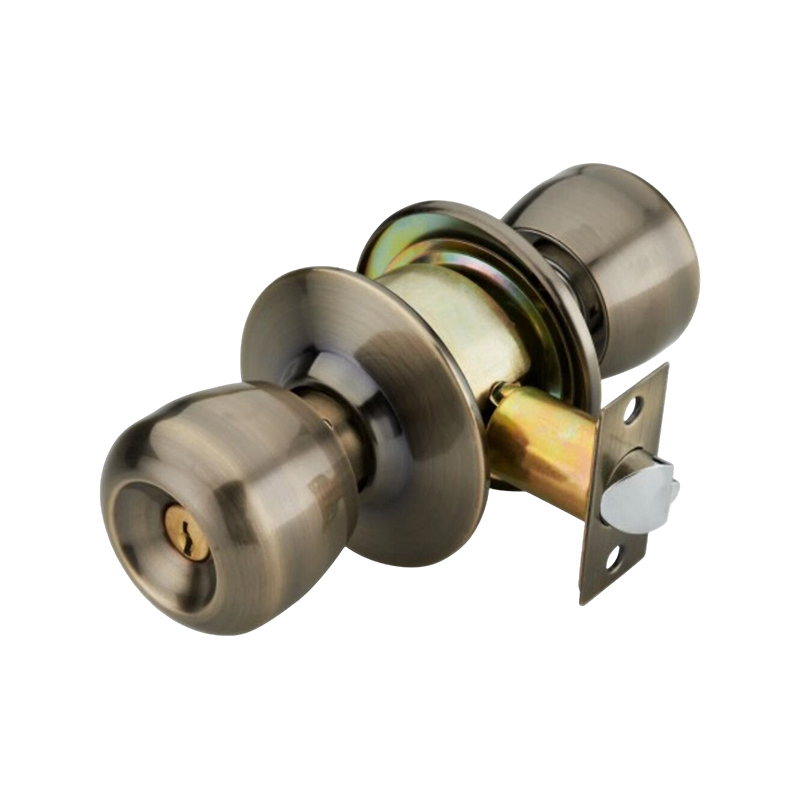
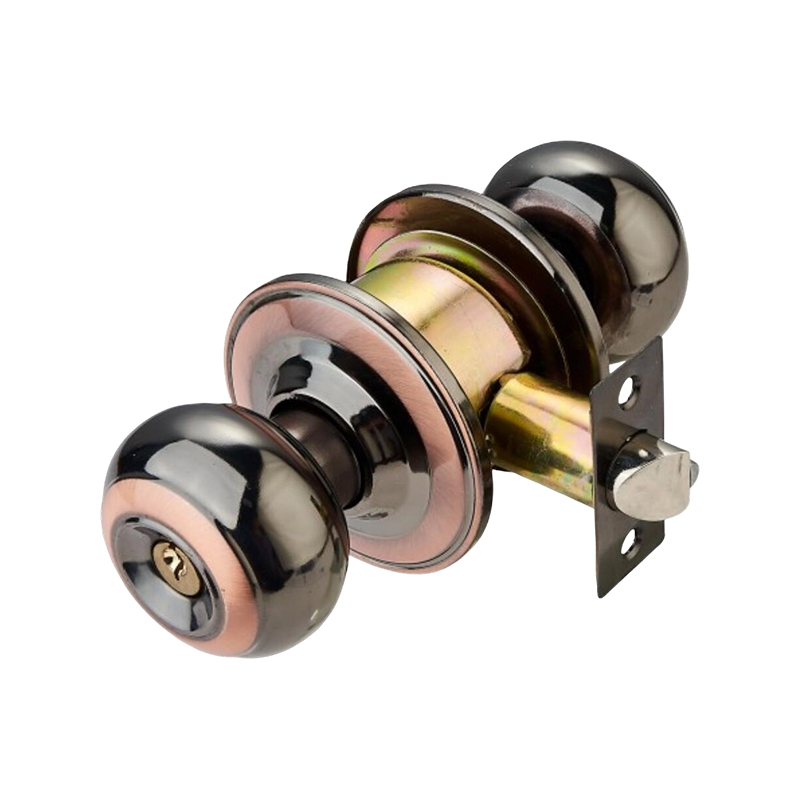
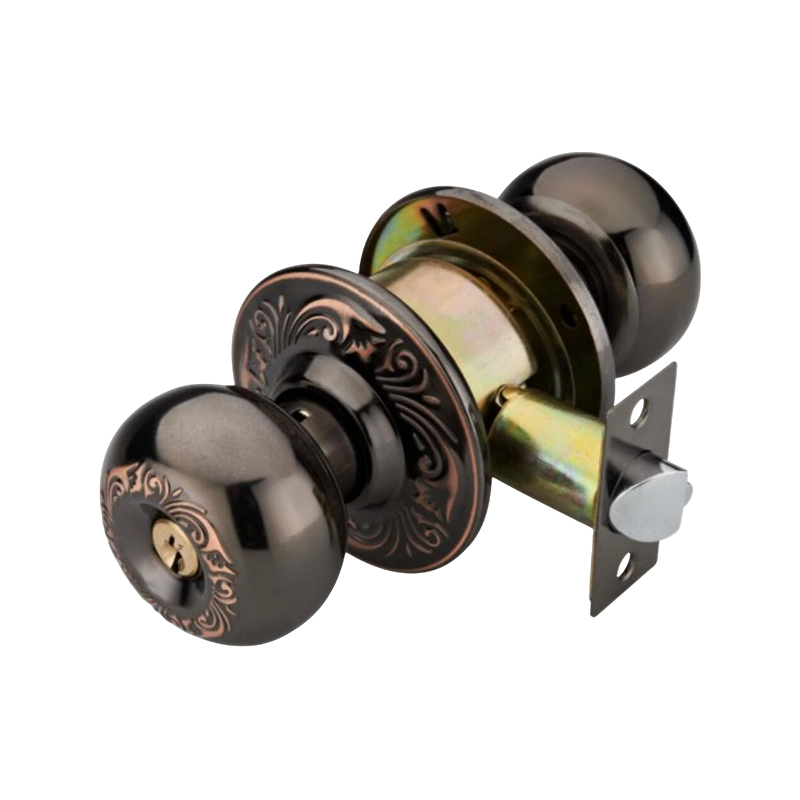
Choosing the right knob lock is not about picking the most expensive or the most attractive option. It is about matching the lock's function, security level, and durability to the specific door and usage conditions. How to choose the right type of knob lock involves evaluating lock function, security grade, material construction, and design compatibility.
Key selection factors
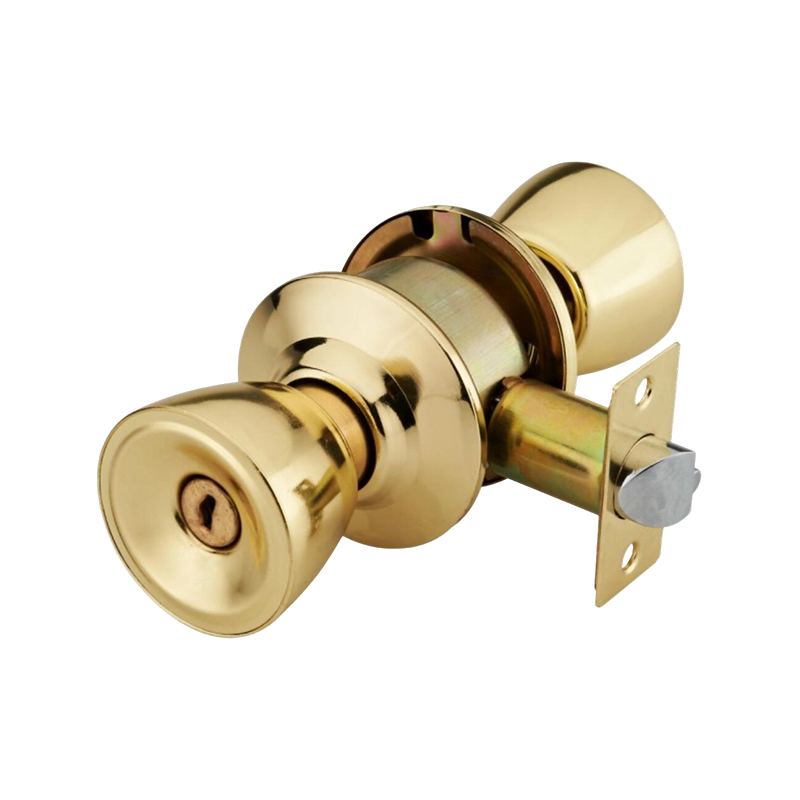
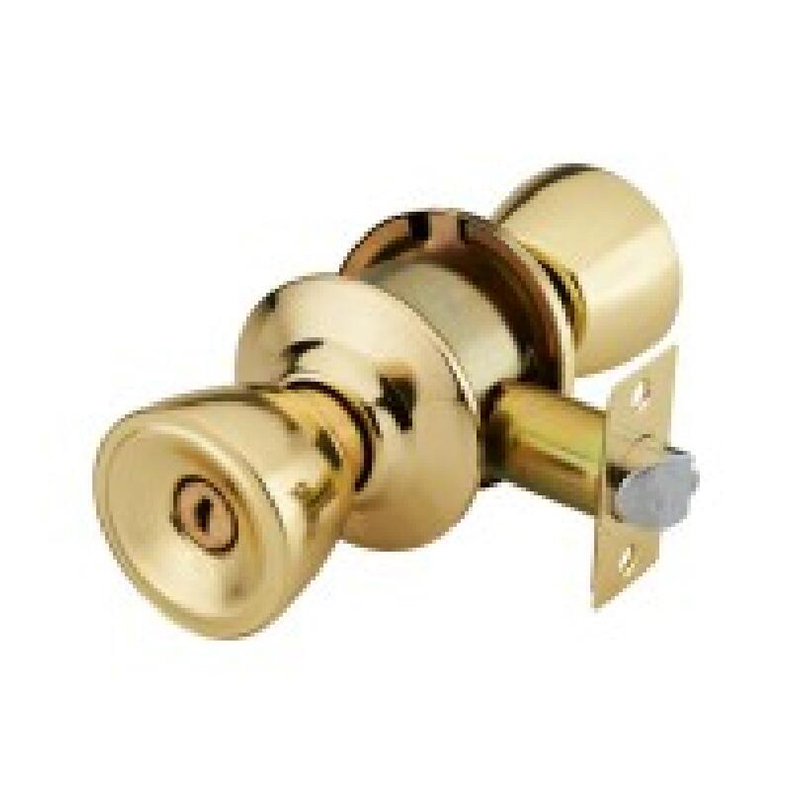
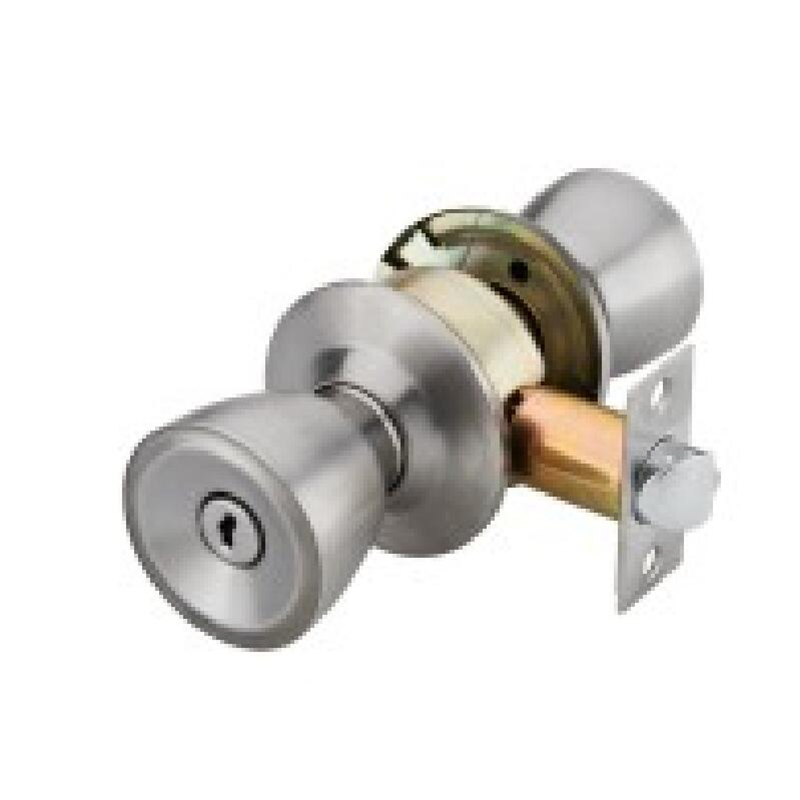
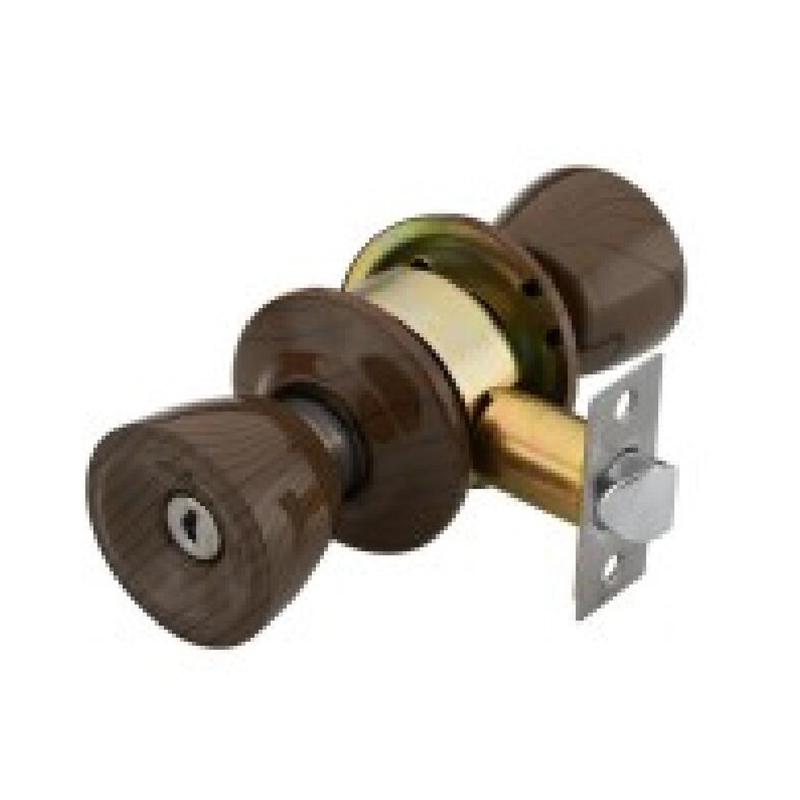
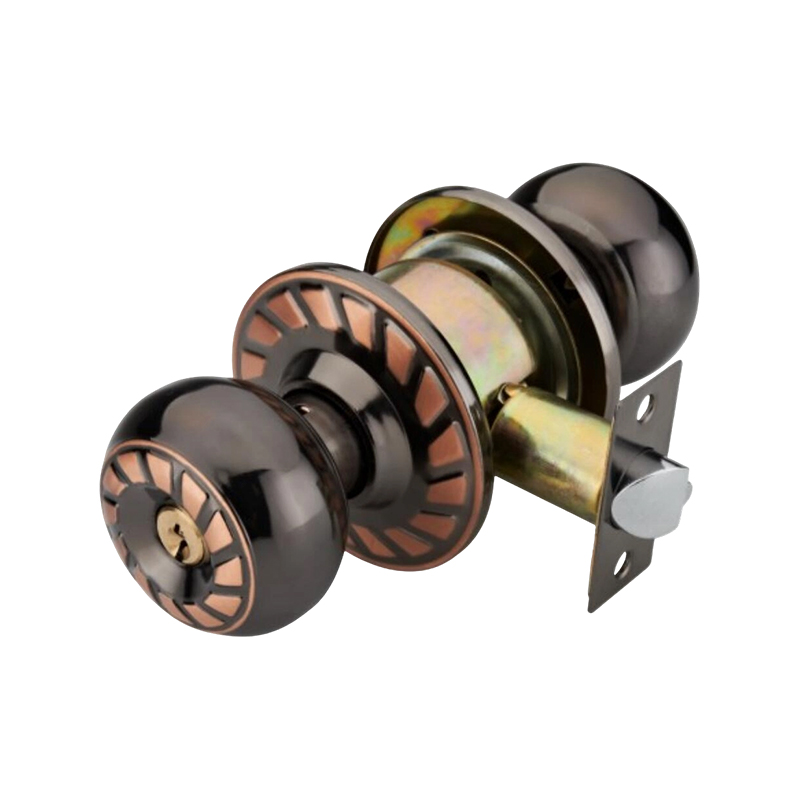
The first factor is lock function. Passage locks have no locking mechanism, suitable for closets and hallways. Privacy locks lock from the interior only, ideal for bedrooms and bathrooms. Entry locks are keyed on the exterior, designed for exterior doors. The second factor is security grade. ANSI Grade 1 offers the highest security for commercial and high-traffic residential applications. Grade 2 provides good security for most residential use. Grade 3 is basic, suitable only for low-security interior applications. The third factor is material. Solid brass and stainless steel offer the best durability and corrosion resistance. Zinc alloy provides good performance at a lower cost. The fourth factor is finish and style, which should match other hardware in the space.
Table: knob lock types and selection criteria
|
Lock Type
|
Primary Function
|
ANSI Grade
|
Best Application
|
Key Features
|
|
Passage
|
No locking; free turning
|
Grade 2 or 3
|
Closets, hallways, utility rooms
|
Simple operation; lowest cost
|
|
Privacy
|
Interior lock; emergency release
|
Grade 2 or 3
|
Bedrooms, bathrooms, home offices
|
Interior twist or button lock; emergency release
|
|
Entry (keyed)
|
Keyed exterior; locking interior
|
Grade 1 or 2
|
Exterior doors, garages, security doors
|
Keyed outside; thumb turn inside
|
|
Dummy
|
Non-functional; for double doors
|
Not applicable
|
Double doors (inactive leaf)
|
Purely decorative; no locking
|
|
Classroom
|
Keyed outside; free inside
|
Grade 1 or 2
|
Schools, commercial buildings
|
Key locks outside; unlocked inside
|
What Are the Common Issues and Solutions Regarding Ball Lock Installation and Compatibility?
The installation challenges
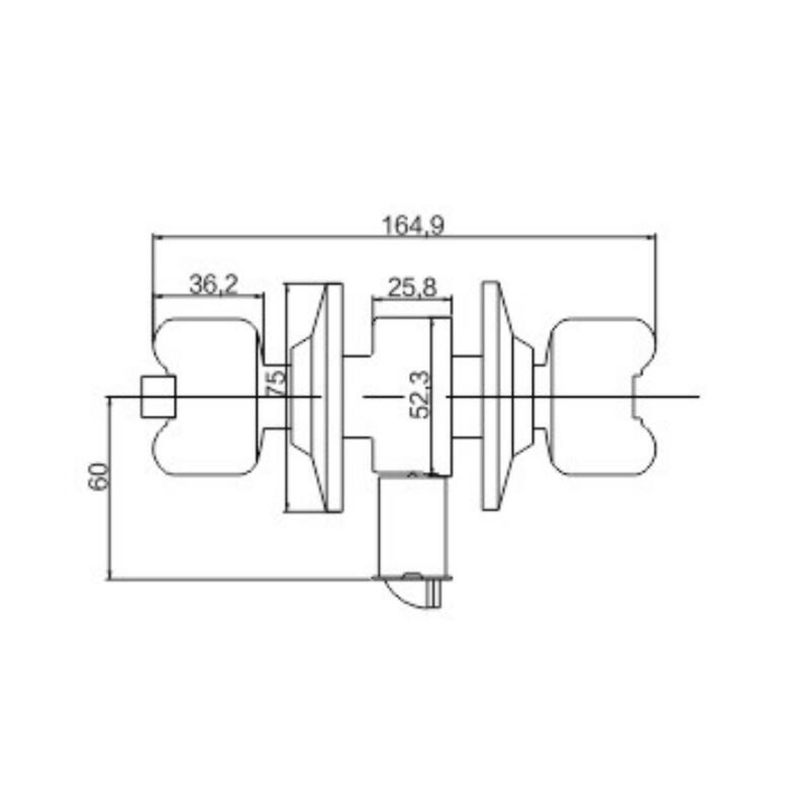
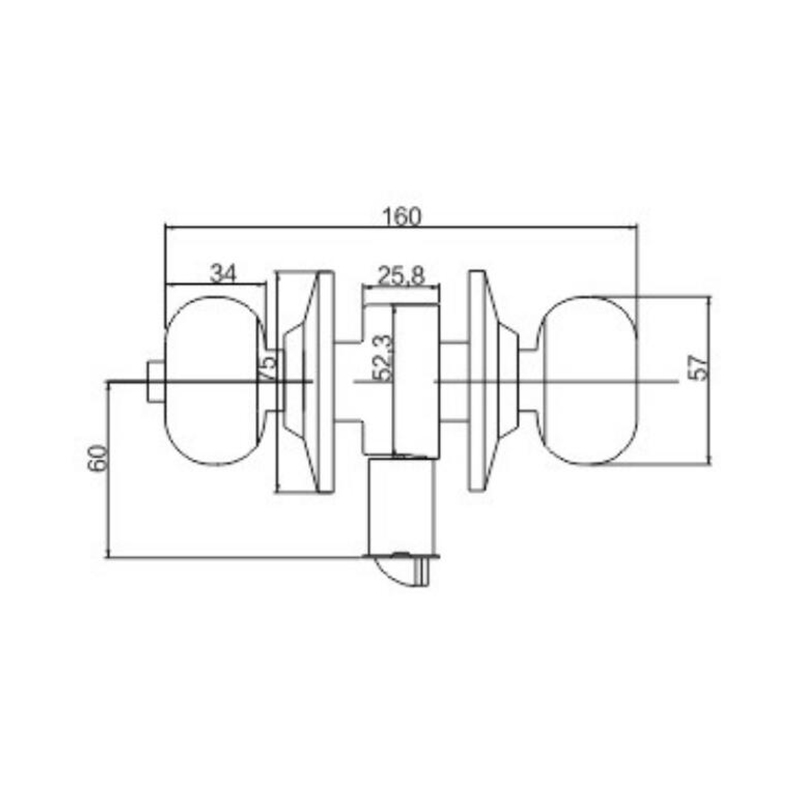
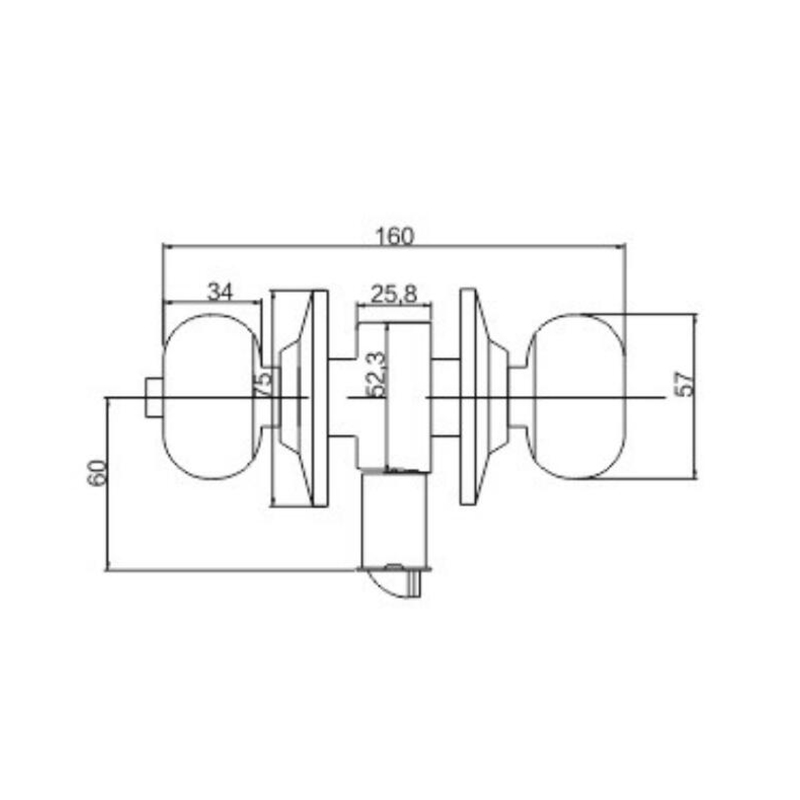
Ball locks—a term often used interchangeably with standard cylindrical knob locks—present specific installation and compatibility challenges. The common issues and solutions regarding ball lock installation and compatibility typically involve the backset dimension, door thickness, latch alignment, and existing bore hole size.
Common installation issues
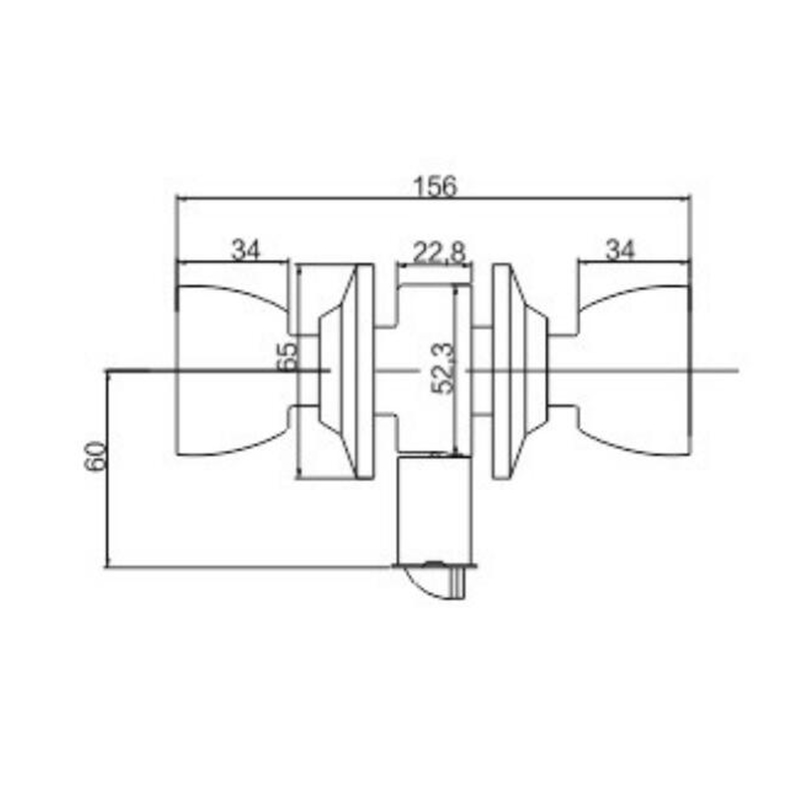
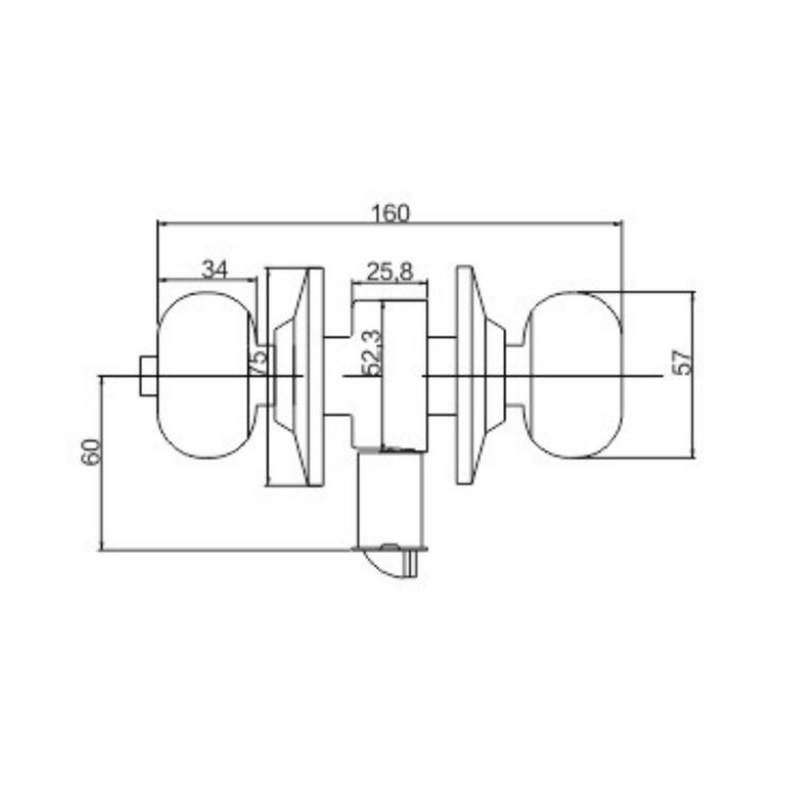
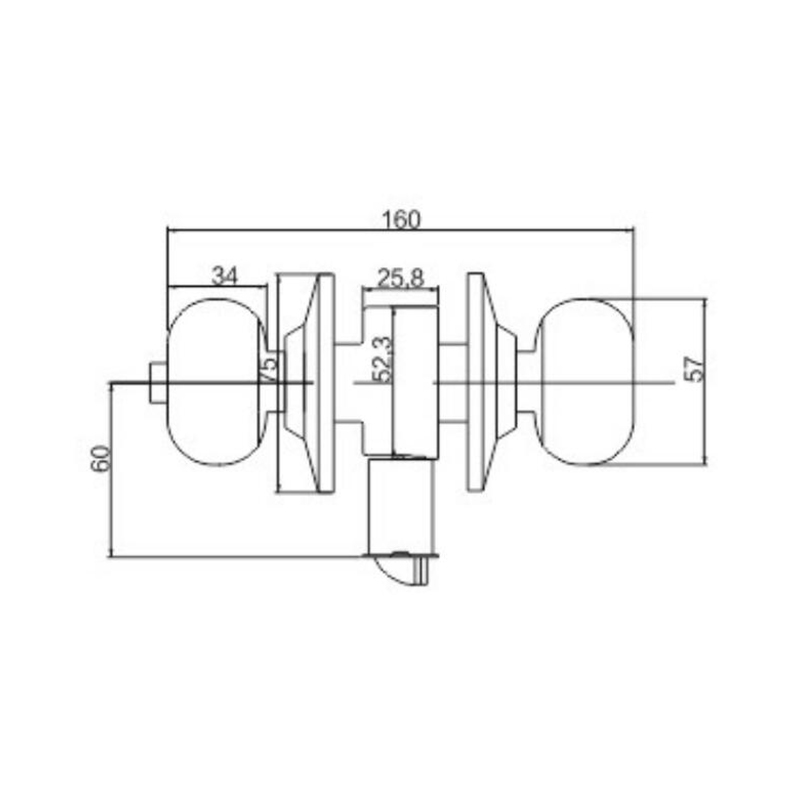
The first issue is backset mismatch. The backset is the distance from the door edge to the center of the bore hole. Standard residential backsets are 2-3/8 inches; commercial doors often use 2-3/4 inches. A lock designed for one backset will not fit the other without an adjustable latch or a conversion kit. The second issue is door thickness. Standard locks fit 1-3/8 to 1-3/4 inch doors. Thicker or thinner doors require special hardware. The third issue is latch alignment with the strike plate. If the latch does not align perfectly with the strike plate hole, the door will not latch properly, causing rattling or failure to close.
Practical solutions
For backset mismatch, purchase a lock with an adjustable latch or use a conversion kit. For door thickness issues, check the lock specifications before purchase. For latch alignment, the strike plate position can be adjusted, or the hole in the strike plate can be filed slightly larger. For compatibility issues, it is essential to measure the existing bore hole size before purchasing.
installation ease by lock type
- Standard cylindrical locks: easier installation; adjustable latch fits most doors; common bore sizes
- Mortise locks: complex installation; requires professional locksmith; not DIY-friendly
- Smart locks: moderate to complex; requires wiring or battery installation; additional setup steps
How Do You Select the Right Knob Door Lock Based on Room Function?
Defining room-based lock selection
Each room in a building has different privacy and security needs. Selecting the right lock for each room optimizes functionality, user convenience, and cost. How you select the right knob door lock based on room function involves understanding the specific requirements of each space.
Room function and lock type mapping
The table below provides a quick reference for selecting locks based on room function.
Table: knob door lock selection by room function
|
Room Type
|
Recommended Lock Type
|
Reason
|
Additional Considerations
|
|
Bathroom
|
Privacy lock
|
Privacy needs; emergency release
|
Lock button or twist mechanism; easy to unlock from outside in emergency
|
|
Bedroom
|
Privacy lock
|
Sleep privacy; safety in lockouts
|
Interior locking; emergency release accessible outside
|
|
Home office
|
Privacy lock
|
Confidential work; privacy
|
Lockable when working; accessible to others when unlocked
|
|
Closet
|
Passage lock
|
No locking needed
|
Cost-effective; simple operation
|
|
Hallway
|
Passage lock
|
No locking needed
|
Smooth door operation; matching finish with other doors
|
|
Exterior door
|
Entry lock (keyed)
|
Security; access control
|
Grade 1 or 2; deadbolt complement; keyed outside
|
|
Garage entry
|
Entry lock (keyed)
|
Security; access control
|
Keyed outside; thumb turn inside; weather-resistant finish
|
|
Kid's room
|
Privacy lock (child-safe)
|
Child safety; emergency access
|
Visible release mechanism; not too easy for children to lock themselves in
|
lock types for different rooms
- Bedrooms: privacy locks for daily use; may be upgraded to entry locks for security
- Bathrooms: privacy locks with quick-release; essential for safety
- Closets: passage locks only; no lock required
- Home offices: privacy locks for focused work; can be upgraded to keyed for sensitive documents
How to Evaluate Security and Select Materials for Ball Type Door Locks?
The security and material evaluation process
Ball type door locks—the standard cylindrical knob locks found in most homes—vary significantly in security and material quality. How to evaluate security and select materials for ball type door locks requires understanding lock grading, construction quality, and material properties.
Security evaluation criteria
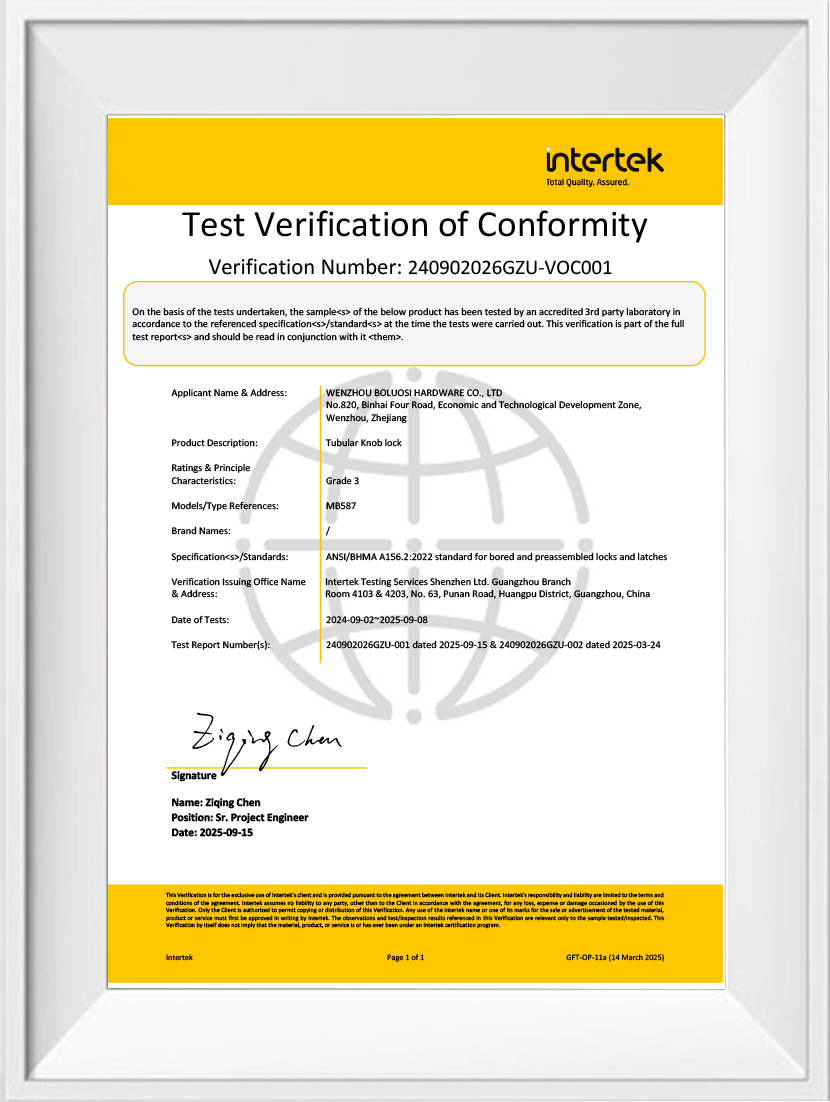
The primary security indicator is ANSI/BHMA grading. Grade 1 locks provide the highest level of security, tested to 1 million cycles and 10 impacts. They are recommended for commercial and high-security residential applications. Grade 2 locks provide good security with 800,000 cycles. Grade 3 locks are basic residential locks with 400,000 cycle testing. Lock security also depends on the cylinder—the part that receives the key. High-security cylinders feature anti-pick pins, anti-bump technology, and anti-drill plates.
Material selection for durability
The lock body material determines durability and corrosion resistance. Solid brass and stainless steel are the highest quality, offering excellent strength and corrosion resistance. They are suitable for all applications, including exterior doors. Zinc alloy is common in mid-range locks, offering good durability at a moderate cost. It is suitable for interior applications. Aluminum and steel (with plating) are found in budget locks, suitable only for low-security interior applications.
material and security features
- Solid brass, Grade 1: highest security; excellent corrosion resistance; highest cost; suitable for all applications
- Stainless steel, Grade 1 or 2: excellent security; excellent corrosion resistance; moderate to high cost; commercial and residential
- Zinc alloy, Grade 2: good security; moderate corrosion resistance; moderate cost; suitable for residential interiors and exteriors with coating
- Zinc alloy, Grade 3: basic security; moderate corrosion resistance; low cost; interior residential only
- Steel with plating, Grade 3: basic security; low corrosion resistance; lowest cost; budget interior applications
FAQ
Q1: What is the difference between Grade 1, Grade 2, and Grade 3 locks?
ANSI/BHMA grading measures lock durability and security. Grade 1 is the highest, tested to 1 million cycles and 10 impacts, suitable for commercial and high-security residential. Grade 2 is tested to 800,000 cycles, suitable for most residential use. Grade 3 is tested to 400,000 cycles, suitable for low-security interior applications.
Q2: Can I install a privacy lock on an exterior door?
Privacy locks are not intended for exterior use. They lack keyed exterior access and have only a simple interior locking mechanism. For exterior doors, use an entry lock (keyed on the outside) with a deadbolt for additional security.
Q3: How do I fix a loose door knob?
A loose door knob is usually fixed by tightening the setscrew located on the knob's neck or the mounting screws on the interior side. If the knob still wobbles, the internal mechanism may be worn and the lock should be replaced.
Q4: What is the recommended backset for residential door locks?
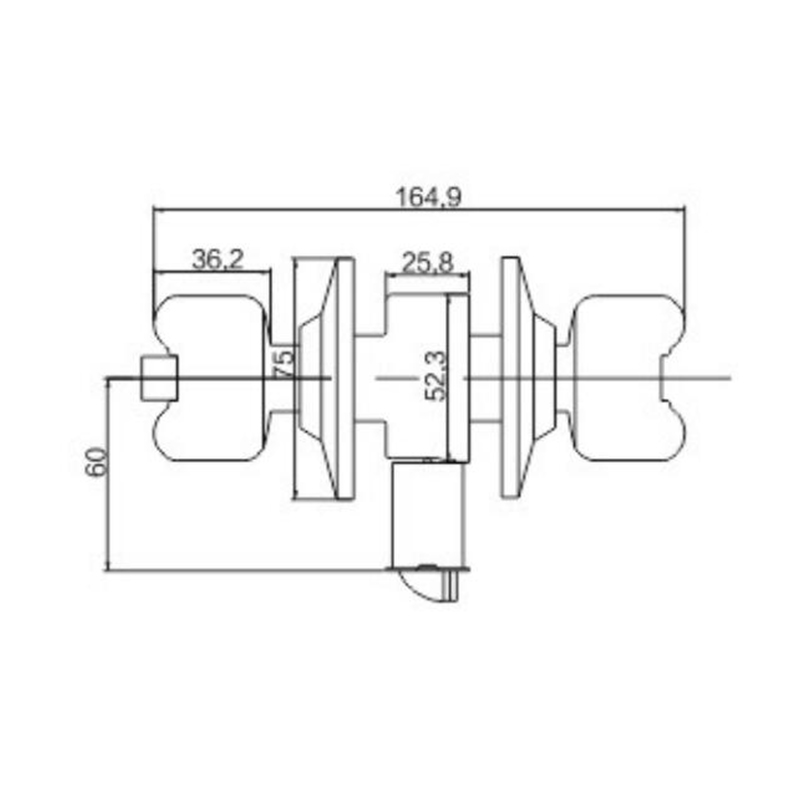
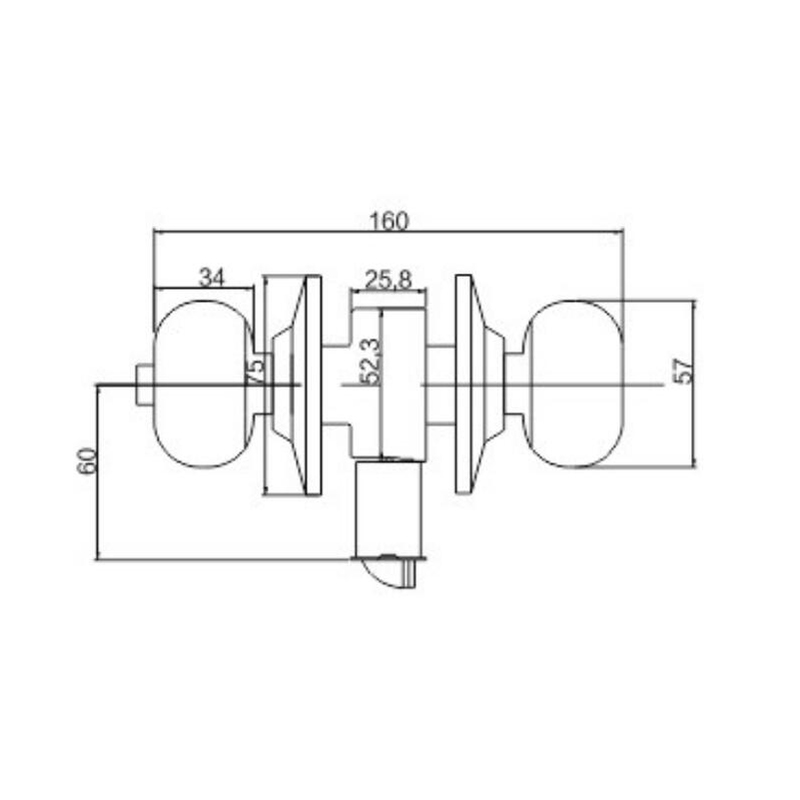
Standard residential backsets are 2-3/8 inches (60 mm). Some doors use 2-3/4 inches (70 mm). Measure the distance from the door edge to the center of the bore hole before purchasing. Many locks have adjustable latches to fit both sizes.
Q5: Can I mix lock brands on different doors in my home?
Yes, you can mix brands, but it is recommended to use the same finish for visual consistency and ensure all locks use the same keyway if you want a single key to open all exterior locks. Some brands offer keyed-alike options across their product lines.

 English
 русский
 中文简体
中文简体 Español
 عربى
عربى