Cylindrical Knob Locks: Compatibility, Tool-Free Installation, Durability, and Vintage Aesthetics
What Are the Common Compatibility Issues When Installing Cylindrical Knob Locks?
The compatibility challenges
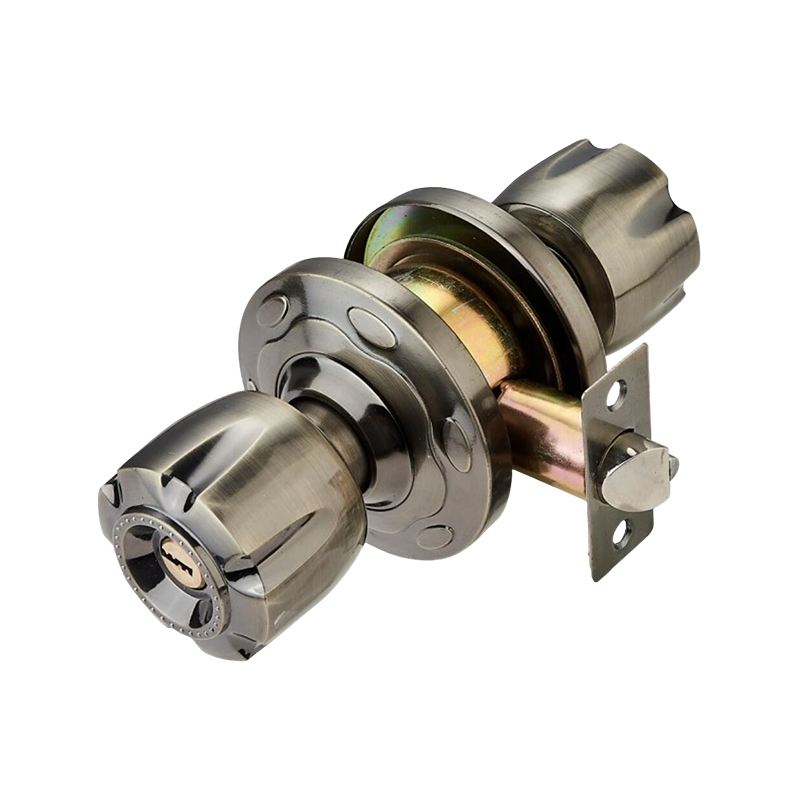
Cylindrical knob locks appear straightforward to install, but compatibility issues frequently arise. The common compatibility issues when installing cylindrical knob locks typically involve backset dimensions, door thickness, bore hole size, and latch alignment.
Common issues and solutions
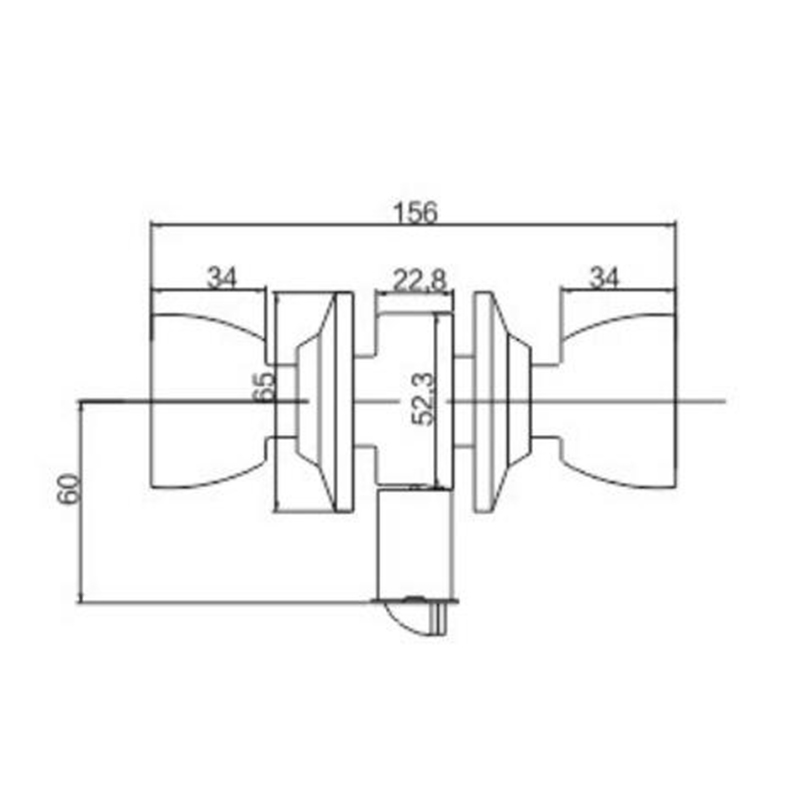
The most frequent issue is backset mismatch. The standard residential backset is 2-3/8 inches (60 mm), while 2-3/4 inches (70 mm) is also common. A lock designed for one backset will not fit the other unless the latch is adjustable. The second issue is door thickness. Most locks fit standard 1-3/8 to 1-3/4 inch doors. Thicker or thinner doors require special hardware or spacers. The third issue is bore hole size. Standard locks require a 2-1/8 inch (54 mm) bore hole. Older doors may have smaller holes, requiring enlargement.
Table: compatibility issues and solutions for cylindrical knob locks
|
Compatibility Issue
|
Common Symptom
|
Solution
|
|
Backset mismatch
|
Latch does not reach strike plate
|
Use lock with adjustable latch (fits both 2-3/8 and 2-3/4)
|
|
Door thickness variation
|
Mounting screws too short or too long
|
Use spacer rings for thin doors; longer screws for thick doors
|
|
Bore hole size too small
|
Lock body does not fit into hole
|
Enlarge hole with hole saw to required diameter (typically 54mm)
|
|
Latch alignment
|
Door does not latch smoothly
|
Adjust strike plate position; file strike plate hole slightly
|
|
Existing hardware type
|
Incompatible with mortise or older locks
|
Use conversion kit or replace entire system
|
easy versus difficult installation
- Standard new construction: straightforward; all dimensions match; 15–30 minutes per lock
- Older homes: potential issues with non-standard dimensions; may require extra tools and time
- Commercial buildings: often require additional security features; installation more complex
The "tool-free" claim
Toilet door locks marketed as "easy installation" often promise tool-free setup. Whether these locks can truly be installed without tools depends on how "tool-free" is defined and the specific design of the lock.
Understanding tool-free installation
Genuinely tool-free locks use mechanisms that do not require screwdrivers, drills, or hole saws. They typically include self-adhesive mounting systems or clamp-style attachments that secure the lock to the door without screws. Installation involves simply peeling off the adhesive backing and pressing the lock onto the door surface.
The reality of "tool-free" installation
In practice, truly tool-free installation is rare. Most locks require at least a screwdriver for the latch screw. Some "tool-free" locks still require minor adjustments that benefit from a small tool. The advantage is that specialized tools—drills, hole saws, chisels—are typically not needed. Installation time is usually 5–15 minutes, compared to 20–45 minutes for traditional locks.
tool-free versus standard installation
- Tool-free locks: 5–15 minutes; minimal or no tools; no drilling; suitable for renters and DIYers; lower security
- Standard locks: 20–45 minutes; requires screwdriver and drill; higher security; permanent installation
- Adhesive-mount locks: 2–5 minutes; no tools; easily removable; low security; lightweight applications
What Are the Material Quality and Long-Term Durability of Bedroom Ball Knob Door Locks?
The durability factors
Bedroom ball knob door locks—the standard cylindrical privacy locks found in most homes—must withstand years of daily use. The material quality and long-term durability of bedroom ball knob door locks depend on the materials used in the knob, latch, and internal mechanism.
Material quality considerations
The knob body is typically made of zinc alloy, steel, brass, or aluminum. Zinc alloy is the most common, offering good strength at a moderate cost. Solid brass offers the best durability and corrosion resistance but costs more. The latch mechanism is usually steel. The finish quality determines how well the knob resists tarnishing and wear. Electroplated finishes are standard; powder-coated finishes are more durable.
Long-term durability factors
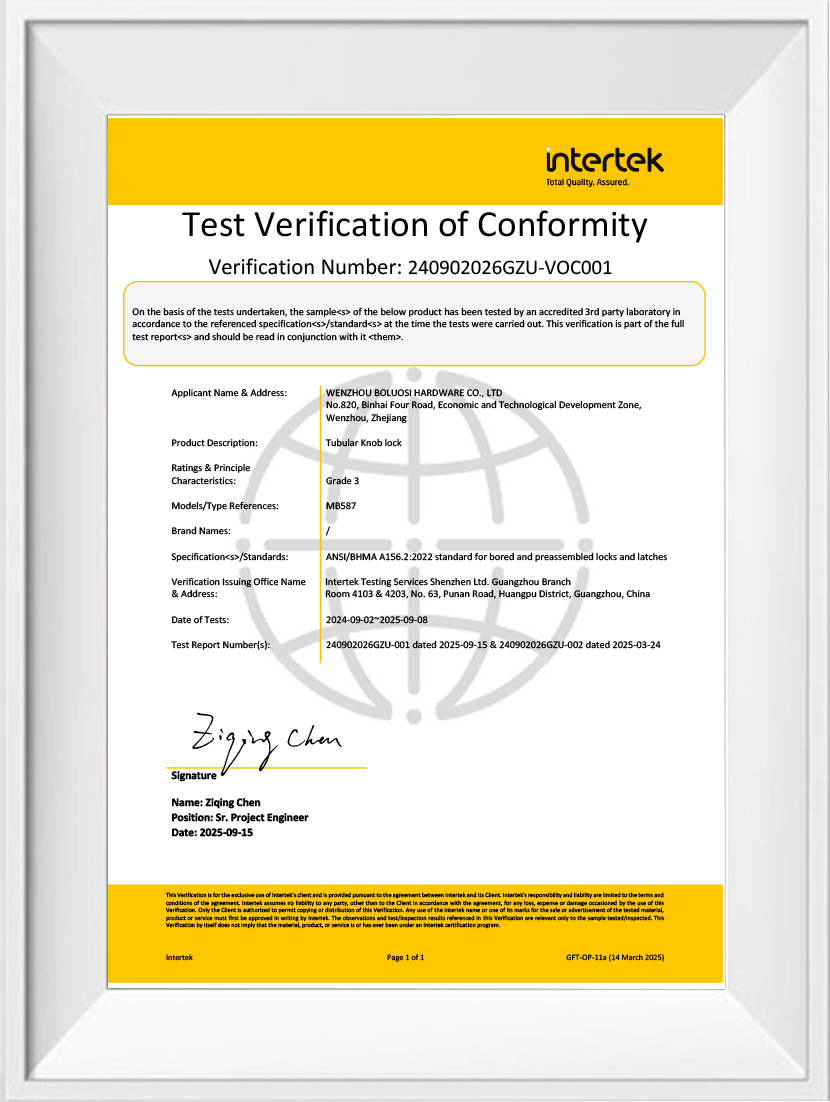
Durability is measured by cycle testing and real-world use. ANSI Grade 3 locks—the most common for interior use—are tested to 400,000 cycles, equivalent to approximately 20 years of residential use. Common failure points include worn interior springs, loose knobs, and latch sticking. Proper maintenance—annual lubrication and tightening screws—extends life.
material durability and lifespan
- Solid brass: excellent durability; 30+ years; highest cost; resists corrosion
- Zinc alloy (high-grade): good durability; 15–25 years; moderate cost; common in residential
- Zinc alloy (standard): moderate durability; 10–15 years; low cost; builder-grade
- Steel (plated): moderate durability; 8–12 years; low cost; corrosion risk
The design bridge between eras
Solid brass cylinder locks with thumbturns occupy a unique position in home design. They carry the visual warmth and traditional appeal of classic hardware while offering the functionality and security features expected in modern homes. How a solid brass cylinder lock with a thumbturn blends vintage aesthetics with modern home décor is a question of finish, style, and functional integration.
The vintage appeal of solid brass
Solid brass locks evoke a sense of craftsmanship and permanence that is increasingly rare in mass-produced hardware. The material's natural warm gold tone develops a patina over time, adding character and depth. Thumbturns—the small, lever-style locking mechanisms on privacy locks—carry the nostalgic appeal of historic hardware, reminiscent of Victorian and Craftsman-era design. The polished or antique finish options allow the lock to fit seamlessly into traditional, eclectic, or farmhouse-style interiors.
Modern integration of solid brass
Despite its vintage appeal, a solid brass lock with a thumbturn is fully compatible with contemporary interiors. Antique brass or brushed brass finishes coordinate with modern brass light fixtures and faucets. The clean, simple lines of many brass thumbturn designs align with minimalist aesthetics. The lock provides the privacy function essential for modern bedrooms and bathrooms while making a design statement. The durability of solid brass—resisting corrosion and wear—meets modern expectations for long-lasting hardware.
Table: solid brass thumbturn locks versus modern lock alternatives
|
Feature
|
Solid Brass Thumbturn Lock
|
Modern Stainless Steel Lock
|
Modern Matte Black Lock
|
|
Aesthetic style
|
Vintage, traditional, eclectic
|
Contemporary, industrial
|
Modern, minimalist, bold
|
|
Color/tone
|
Warm gold; develops patina
|
Bright or brushed silver
|
Flat, dark, non-reflective
|
|
Material durability
|
Excellent (solid brass)
|
Excellent (stainless steel)
|
Good (coated steel or zinc)
|
|
Corrosion resistance
|
Excellent
|
Excellent
|
Good (with coating)
|
|
Design coordination
|
Traditional interiors; mixed metal
|
Modern interiors; monochromatic
|
Contemporary; high-contrast
|
|
Patina development
|
Yes (ages gracefully)
|
No (consistent finish)
|
No (consistent finish)
|
|
Cost
|
Highest
|
Moderate
|
Moderate
|
|
Best room pairing
|
Traditional homes, eclectic spaces
|
Modern homes, commercial spaces
|
Modern homes, industrial styles
|
FAQ
Q1: What is the difference between a thumbturn and a keyed lock?
A thumbturn is a lever-style mechanism on the interior side of a privacy lock. It can be turned to lock or unlock the door without a key. A keyed lock requires a key from the exterior side and typically has a thumbturn on the interior. A thumbturn-only lock has no keyed exterior, suitable only for interior doors where keyed entry is not required.
Q2: Are solid brass locks better than zinc alloy locks?
Solid brass offers superior durability, corrosion resistance, and aesthetic quality. It develops a natural patina over time, which many homeowners value. Zinc alloy is more affordable and provides good performance for residential use, but it does not offer the same longevity or prestige as solid brass.
Q3: Can a "tool-free" lock be used on any door?
Tool-free locks require a door thickness within a certain range, typically 1-3/8 to 1-3/4 inches. Some adhesive-mount locks work on any door but provide lower security. Always check the manufacturer's specifications for minimum and maximum door thickness before purchasing.
Q4: How long do Grade 3 bedroom knob locks typically last?
Grade 3 locks are tested to 400,000 cycles, which translates to approximately 20 years of residential use. Actual lifespan depends on usage frequency, maintenance, and environmental conditions. Proper lubrication and occasional screw tightening can extend life to 25 years or more.
Q5: Can I mix solid brass locks with modern stainless steel fixtures?
Yes, mixed metal finishes are a popular design trend. The key is to use one finish as the dominant metal and the others as accents. For example, solid brass locks with stainless steel light fixtures and satin nickel hinges can work together if the finishes are balanced throughout the space.

 English
 русский
 中文简体
中文简体 Español
 عربى
عربى