The Hinge That Holds It All: Functional Requirements, Material Selection, and Installation Insights
What Functional Requirements Do Door Hinges Need to Meet in Specialized Scenarios?
The hinge's role beyond simple rotation
A door hinge appears to be a simple mechanical device—two leaves connected by a pin, allowing a door to swing open and closed. But in specialized scenarios, hinges must do far more than pivot. They must carry heavy loads, maintain alignment under stress, resist corrosion in harsh environments, and even contribute to fire safety and security. The functional requirements door hinges need to meet in specialized scenarios depend on the application—from hospital operating rooms to seaside hotels to high-security government buildings.
Heavy-duty load bearing and traffic control
The primary functional requirement in high-traffic commercial settings is load capacity. A standard residential hinge supports a 30–50 kg door. A commercial hinge in a hospital or school must support doors weighing 100 kg or more, with millions of open-close cycles over the building's lifetime. Heavy-duty hinges use thicker leaves, larger pins, and additional knuckles to distribute the load. The second requirement is traffic control—some specialized hinges incorporate spring mechanisms that automatically close the door after use, essential for fire-rated doors and healthcare facilities where infection control requires hands-free operation.
Corrosion resistance in harsh environments
Doors in coastal buildings, swimming pools, and marine applications face constant exposure to salt, moisture, and chemicals. Standard steel hinges rust within months in these conditions. The functional requirement is corrosion resistance achieved through material selection—304 or 316 stainless steel, or marine-grade bronze—and protective finishes like powder coating or electroplating. The hinge must maintain smooth operation and structural integrity despite the corrosive environment.
Fire safety and security requirements
Fire-rated doors require hinges that maintain their integrity during a fire. The hinge must not fail or deform under extreme heat, allowing the door to remain closed and contain the fire. Security applications require hinges with non-removable pins to prevent tampering. Some high-security hinges incorporate anti-drill and anti-saw features.
specialized versus standard hinges
- Standard residential hinges: basic load capacity, moderate durability, limited corrosion resistance
- Commercial heavy-duty hinges: high load capacity, high cycle life, optional spring closing
- Stainless steel marine hinges: maximum corrosion resistance, moderate load capacity, higher cost
- Fire-rated hinges: heat resistance, mandatory for fire doors, tested to specific standards
- Security hinges: tamper-proof pins, anti-drill plates, high-security applications
What Are the Common Questions Regarding the Selection and Installation of 304SS Ball Bearing Butt Door Hinges?
The selection and installation process
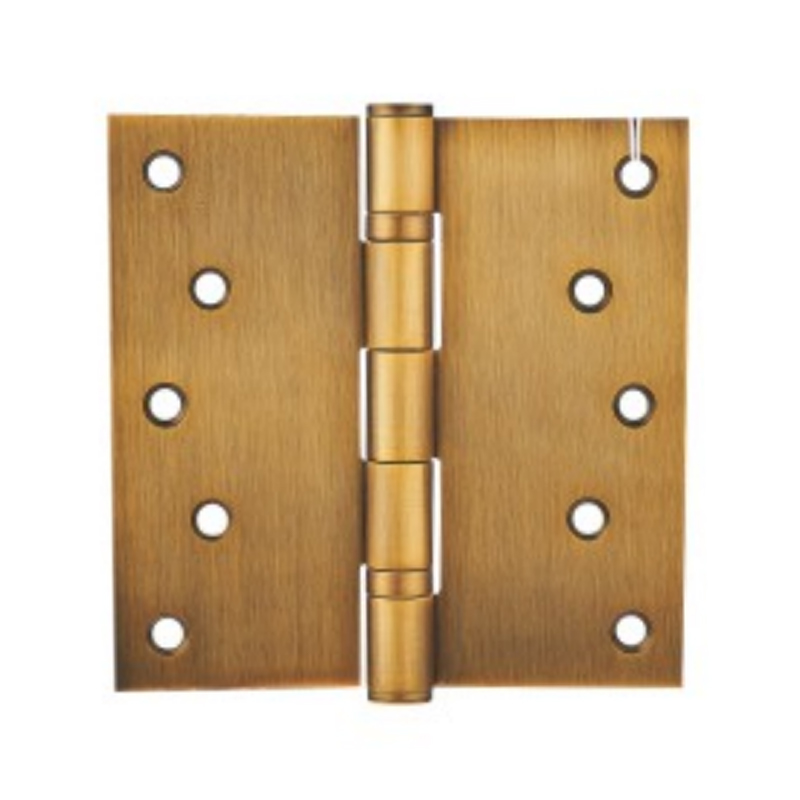
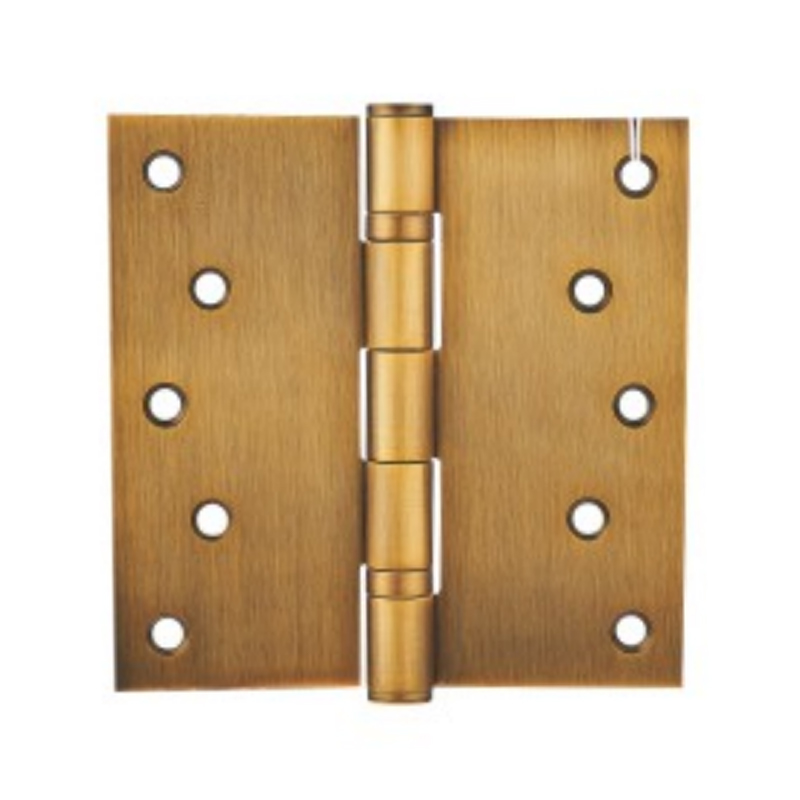
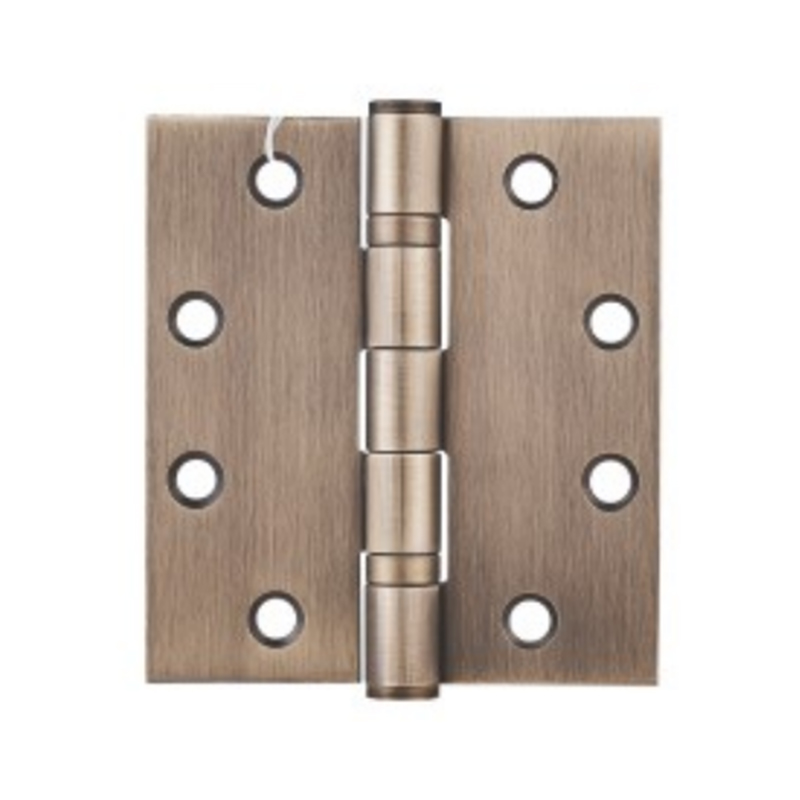
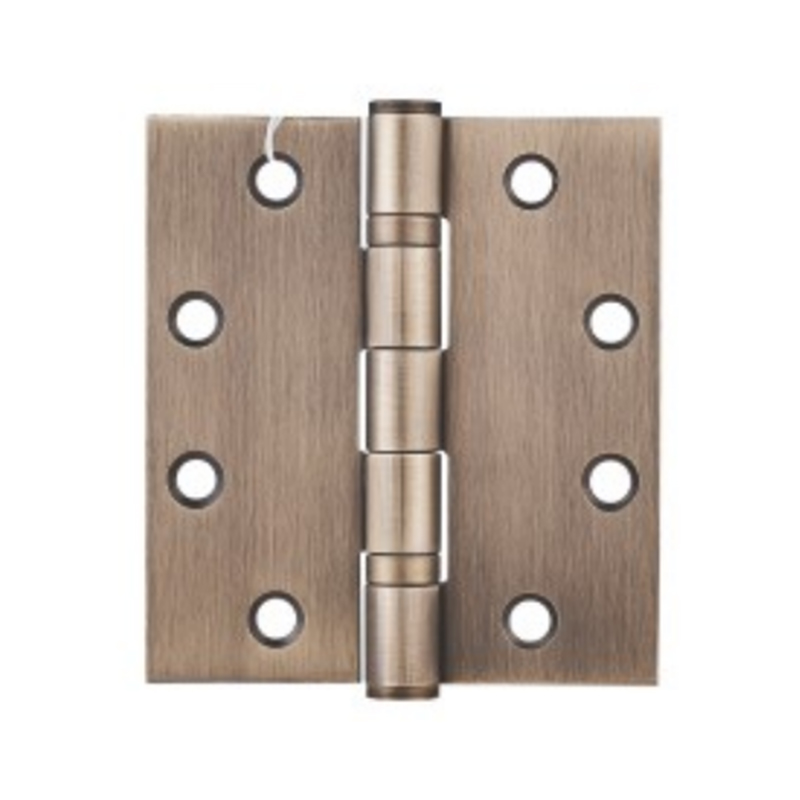
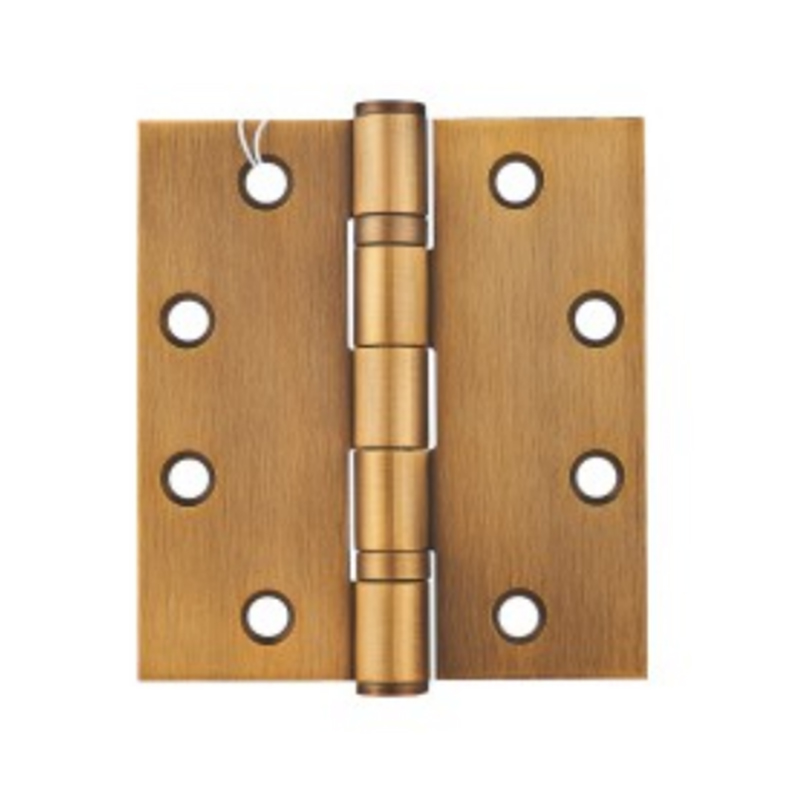
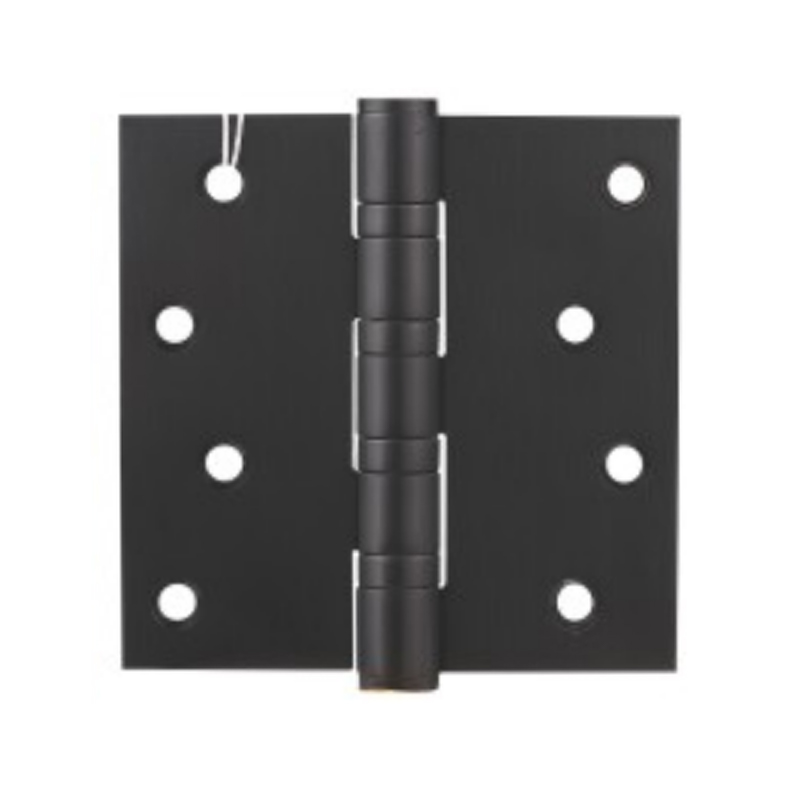
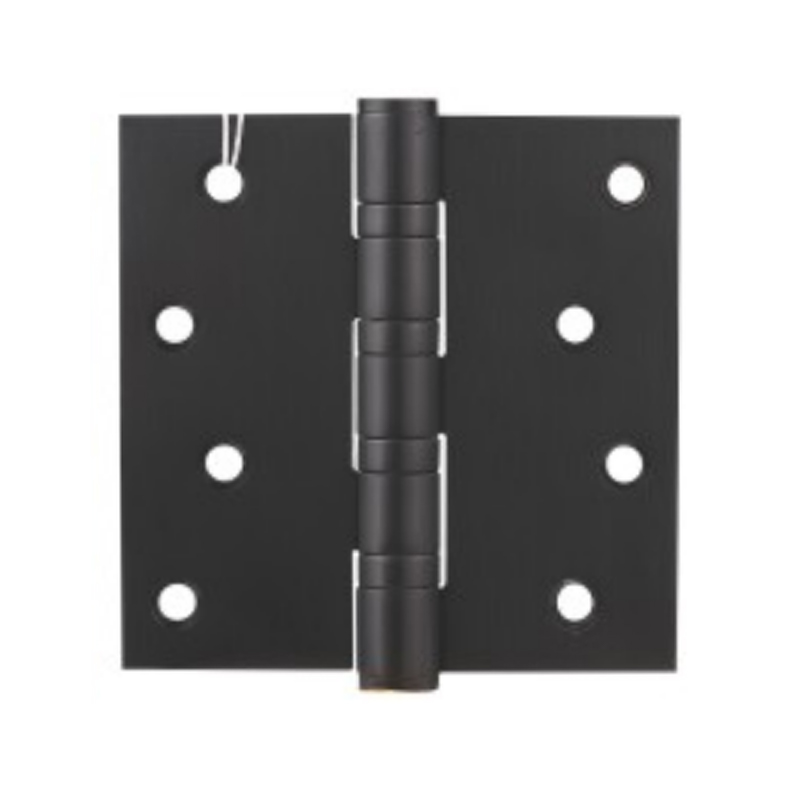
304SS ball bearing butt door hinges are among the most popular choices for commercial and high-end residential doors. They combine the corrosion resistance of stainless steel with the smooth operation of ball-bearing mechanisms. The common questions regarding the selection and installation of 304SS ball bearing butt door hinges typically revolve around size, weight capacity, finish, and installation technique.
Selection questions
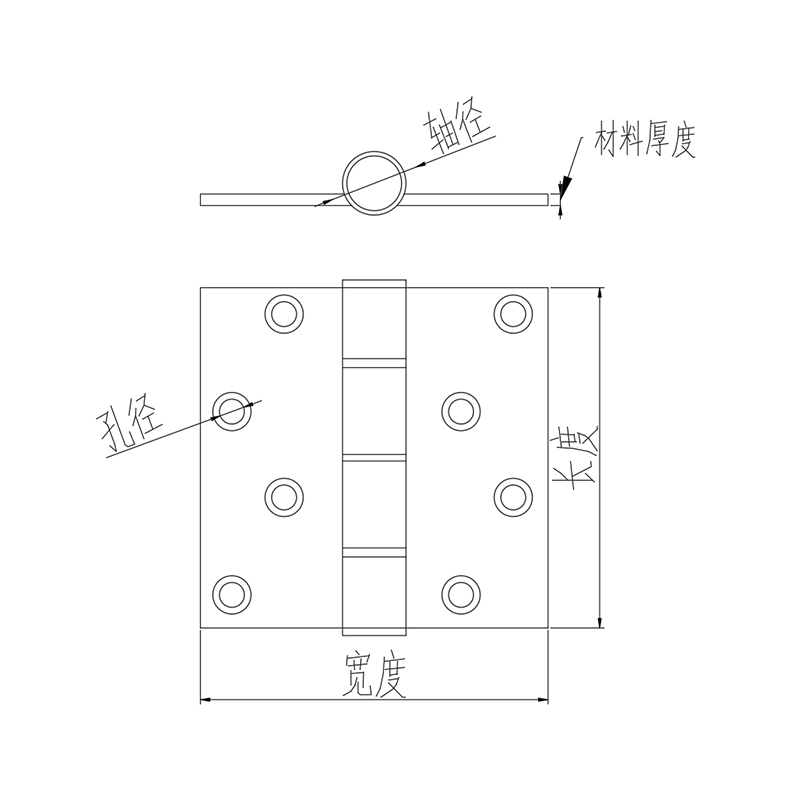
The first question is size. Hinge size is measured by height and width. Standard residential doors use 3.5 to 4 inch hinges. Commercial doors use 4.5 to 6 inch hinges. The hinge must be at least one-third of the door width for proper support. The second question is weight capacity. The number of hinges needed depends on door weight: standard residential doors use 2–3 hinges; heavy commercial doors use 4–5 hinges. The third question is finish. 304 stainless steel comes in multiple finishes: polished (bright and reflective), brushed (satin, hides fingerprints), and satin (between polished and brushed). The fourth question is ball-bearing count. Two-bearing hinges are standard for most doors; three-bearing hinges are recommended for heavy doors or high-traffic applications.
Installation questions
The first installation question is mortising. Butt hinges require mortising—cutting a recess into the door edge and frame so the hinge sits flush. The depth must match the hinge leaf thickness exactly. The second question is screw selection. The screws provided with the hinge are often insufficient for heavy doors. Longer or thicker screws may be required to secure the hinge into the door frame's structural framing. The third question is alignment. Misaligned hinges cause binding, noise, and premature wear. The hinge must be installed perfectly plumb and level.
Table: selection and installation questions for 304SS ball bearing butt door hinges
|
Question Category
|
Common Question
|
Recommended Answer
|
Why It Matters
|
|
Size selection
|
What size hinge do I need for my door?
|
3.5–4 inches for residential; 4.5–6 inches for commercial
|
Hinge must be one-third of door width for proper support
|
|
Hinge quantity
|
How many hinges should I use?
|
2–3 for standard residential; 3–5 for heavy commercial
|
Distributes door weight; prevents sagging
|
|
Ball-bearing count
|
Two-bearing or three-bearing?
|
Two-bearing for most; three-bearing for heavy or high-traffic
|
Smoother operation; longer life
|
|
Finish selection
|
Polished, brushed, or satin?
|
Brushed for homes; polished for modern aesthetics
|
Aesthetic and maintenance implications
|
|
Mortising depth
|
How deep should the mortise be?
|
Equal to hinge leaf thickness
|
Sits flush for professional appearance
|
|
Screw selection
|
Are provided screws sufficient?
|
Use longer screws for heavy doors
|
Anchors hinge to structural framing
|
|
Alignment check
|
How do I ensure correct alignment?
|
Plumb and level the door frame first
|
Prevents binding and premature wear
|
|
Maintenance
|
How do I maintain the hinges?
|
Clean with mild soap; lubricate annually
|
Extends hinge life; maintains smooth operation
|
FAQ
Q1: What is the difference between 304 and 316 stainless steel hinges?
304 stainless steel is the standard grade for most door hinges, offering good corrosion resistance for interior and most exterior applications. 316 stainless steel contains molybdenum, providing superior corrosion resistance for marine environments and areas with high salt exposure. For most residential and commercial applications, 304 is sufficient.
Q2: How do ball-bearing hinges differ from standard hinges?
Ball-bearing hinges use bearings between the knuckles to reduce friction and provide smoother operation. They are recommended for heavy doors and high-traffic areas where standard hinges would wear quickly. The ball bearings reduce resistance, making the door easier to open and close.
Q3: Can I use 304 stainless steel hinges on an exterior door?
Yes, 304 stainless steel is suitable for most exterior applications. It resists corrosion from rain, humidity, and temperature changes. For coastal areas with salt air, 316 stainless steel is recommended for maximum corrosion resistance.
Q4: How do I know if my hinges are properly aligned?
A properly aligned door swings freely without binding, stays in position when partially open, and closes without rubbing the frame. Listen for squeaking or grinding, which indicates misalignment or lack of lubrication. Check that the gap between the door and frame is consistent.
Q5: How often should door hinges be lubricated?
Door hinges should be lubricated annually for standard residential use and more frequently for high-traffic commercial applications. Use a dry lubricant such as graphite powder or silicone spray. Avoid oil-based lubricants that attract dust and gum up the mechanism.

 English
 русский
 中文简体
中文简体 Español
 عربى
عربى