Zinc Door Handles: Surface Finishes, Durability Feedback, and Ergonomic Design
What Are the Surface Finishing Processes and Design Aesthetics of Zinc Door Handles?
Defining surface finishing in zinc hardware
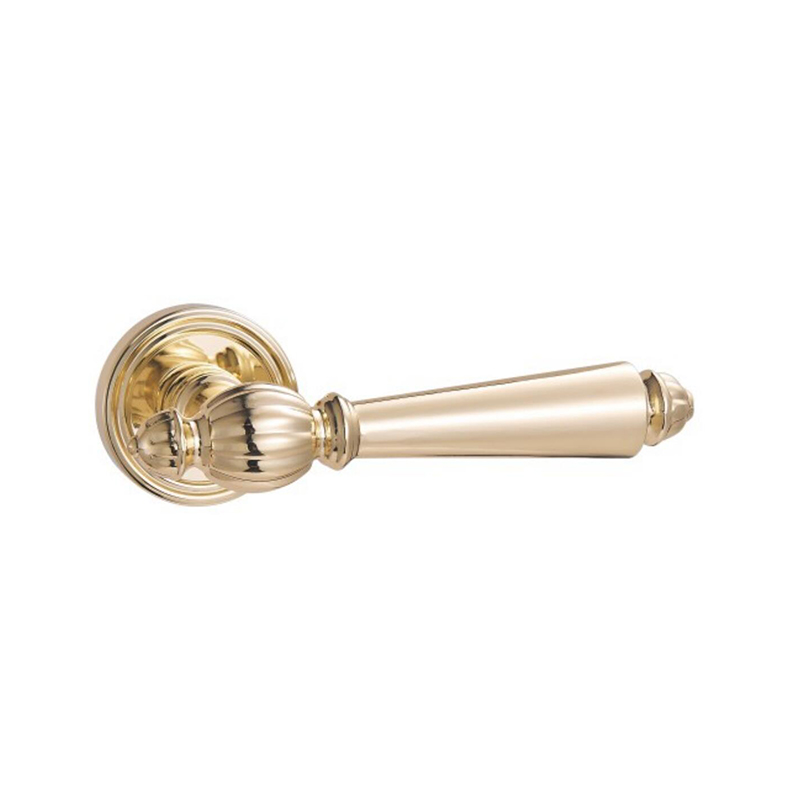
Zinc door handles are rarely used in their raw state. The surface finishing process is what transforms a functional metal casting into a decorative and durable piece of hardware. The surface finishing processes and design aesthetics of zinc door handles determine not only their appearance but also their longevity and resistance to wear.
Common surface finishing processes
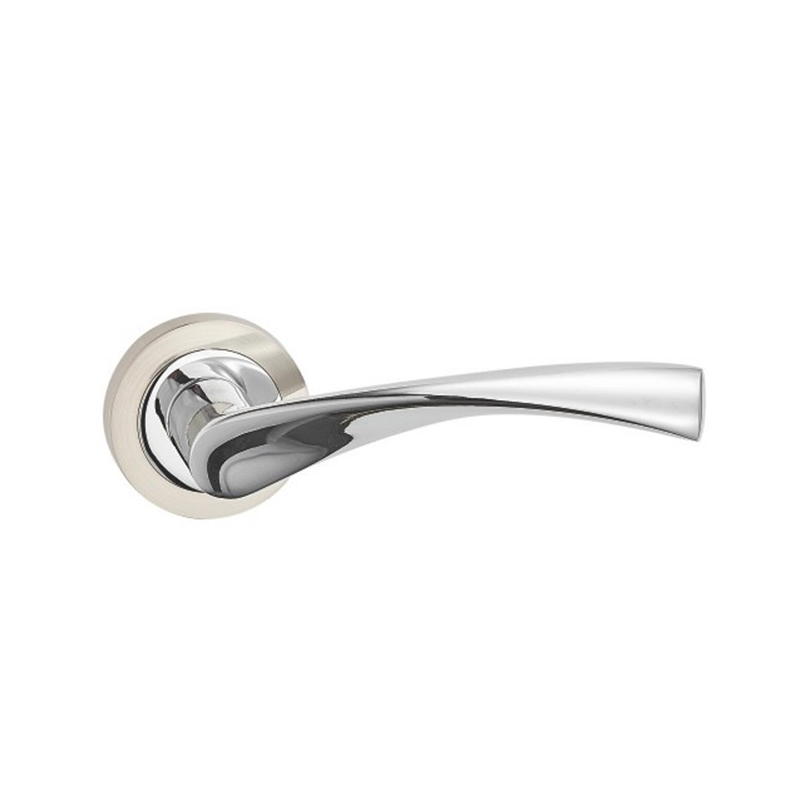
The first process is polishing. Zinc castings are buffed to create a smooth, reflective surface. The level of polish varies from a basic satin sheen to a high-gloss mirror finish. The second process is electroplating, where a thin layer of metal—typically chrome, nickel, or brass—is deposited onto the zinc surface. This provides both aesthetic appeal and corrosion resistance. The third process is powder coating, where colored paint is electrostatically applied and baked on for a durable, uniform finish. The fourth process is antiquing, where a dark patina is applied to create an aged or vintage appearance.
Design aesthetics made possible by zinc
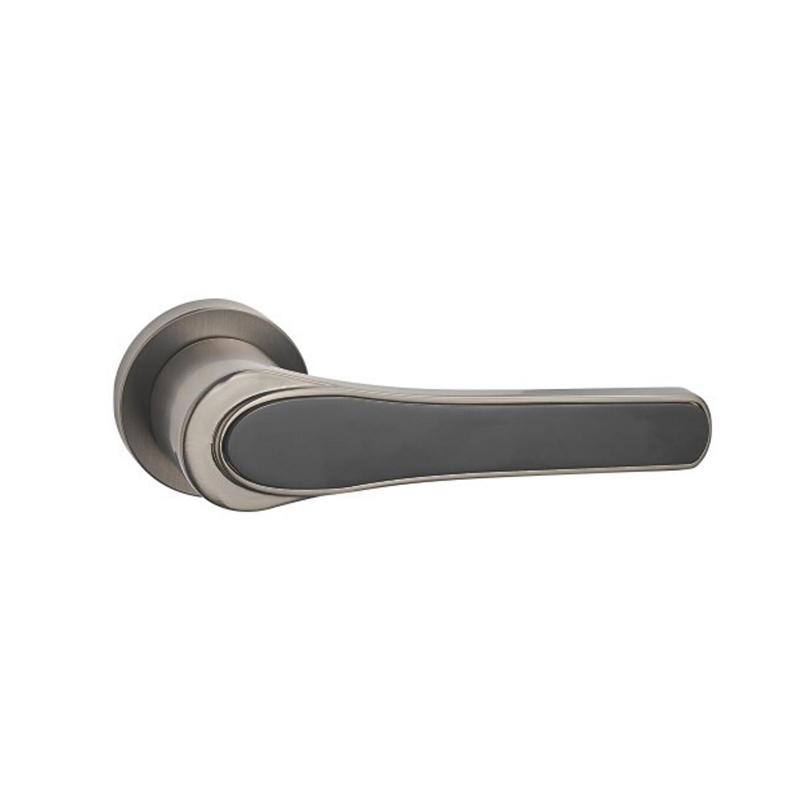
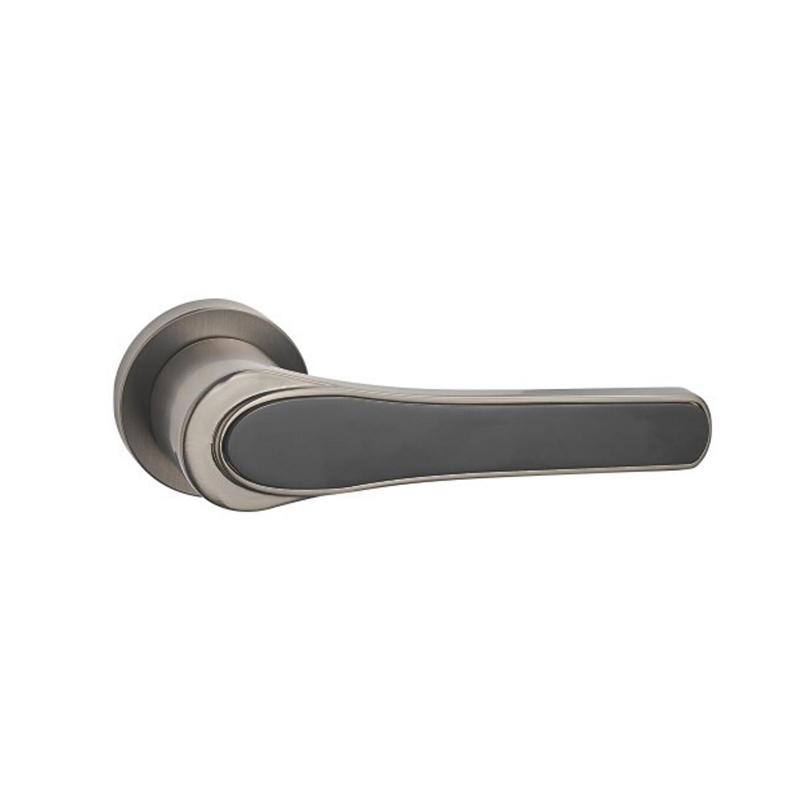
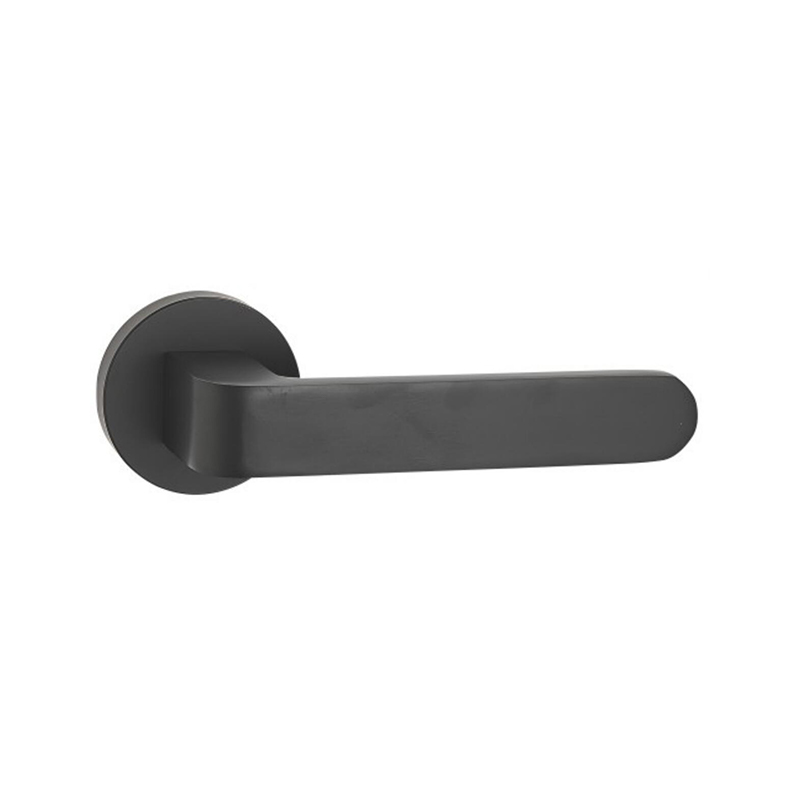
Zinc is one of the most versatile materials for decorative hardware. Its relatively low melting point allows for complex, intricate shapes that would be prohibitively expensive in steel or bronze. This design freedom enables a broad range of styles: ornate Victorian patterns, sleek modern levers, and transitional designs that bridge both. The material also takes finishes exceptionally well, from bright polished chrome to matte black to oil-rubbed bronze.
surface finish options for zinc door handles
- Polished chrome: bright, reflective, modern, shows fingerprints, moderate durability
- Brushed nickel: satin, subdued, versatile, hides fingerprints, good durability
- Oil-rubbed bronze: dark, textured, traditional, hides wear, moderate durability
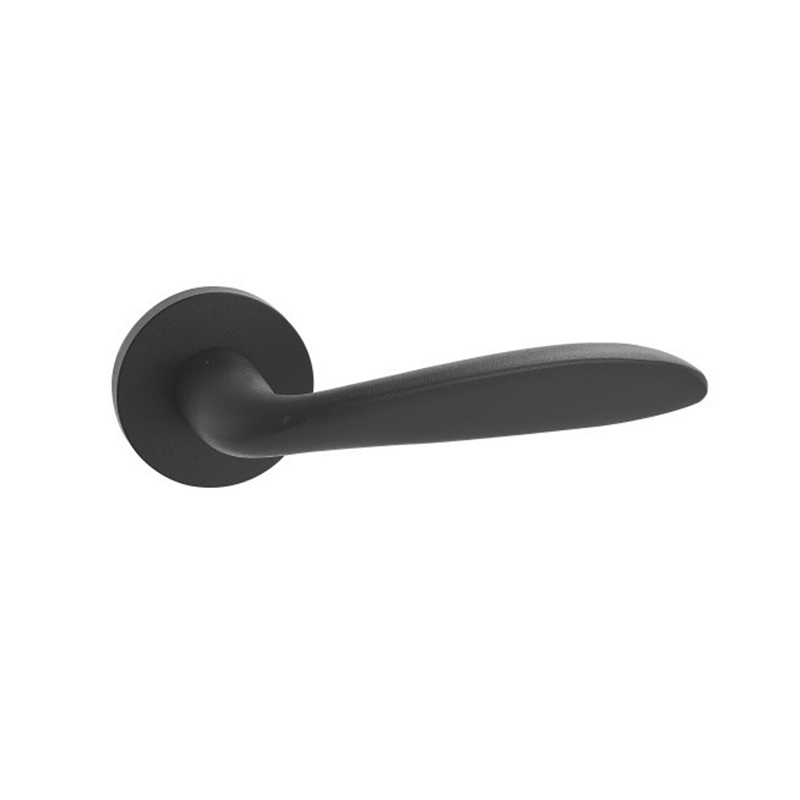
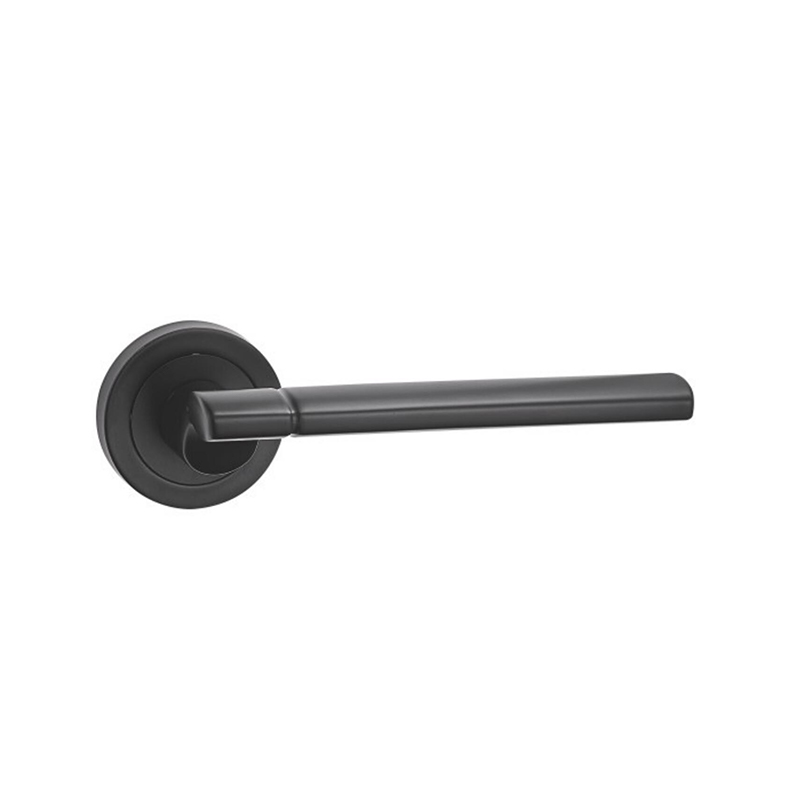
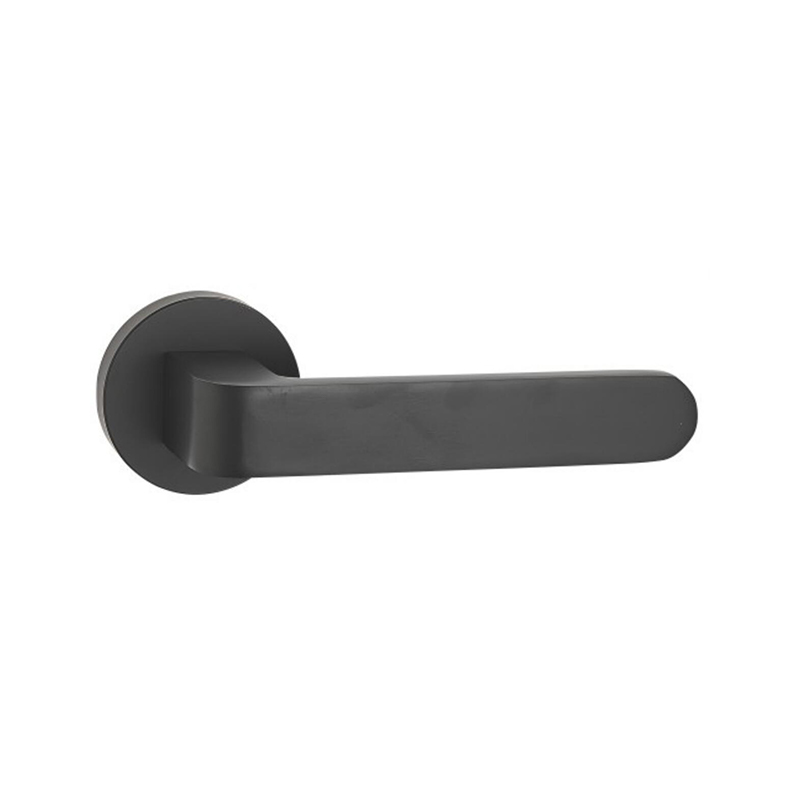
- Matte black: flat, contemporary, bold, hides fingerprints, good durability
- Polished brass: warm, traditional, reflective, shows fingerprints, moderate durability
What Is the Real-World Feedback Regarding the Material Properties and Durability of Zinc Alloy Door Handles?
The real-world performance of zinc alloy
Spec sheets list tensile strength, hardness, and corrosion resistance. But what actually matters is how zinc alloy door handles perform in daily use—in homes with children, in commercial buildings with high traffic, and in coastal environments with salt air. The real-world feedback regarding the material properties and durability of zinc alloy door handles comes from users, installers, and property managers.
Material properties of zinc alloy
Zinc alloy used for door hardware is typically Zamak—a family of alloys containing aluminum, magnesium, and copper. Zamak offers excellent castability, allowing intricate shapes with tight tolerances. It provides good strength for residential and light commercial applications, though it does not match the tensile strength of steel or brass. The material's density gives it a solid, substantial feel that users associate with quality.
Durability in real-world conditions
In interior residential applications, zinc alloy handles typically last the life of the door. They resist corrosion from normal humidity and daily handling. In commercial settings with high traffic, zinc alloy handles may show wear sooner than steel or stainless steel alternatives. The primary failure mode is not breakage but wear of the internal mechanism—springs, gears, and pins that are not always zinc. The finish durability varies; high-quality electroplating is essential for longevity.
zinc alloy versus alternative materials in real-world use
- Zinc alloy: good strength, moderate cost, versatile design, suitable for residential and light commercial
- Stainless steel: excellent strength, higher cost, fewer design options, suitable for heavy commercial
- Brass: good strength, higher cost, traditional aesthetic, moderate durability
- Aluminum: moderate strength, lower cost, lightweight, suitable for residential
How Do Zinc Alloy Door Levers Strike a Balance Between Ergonomic Design and Cost-Effectiveness?
The balance challenge
Door levers must be comfortable to grip, easy to operate, and visually appealing—all at a price that makes them accessible for large-scale residential and commercial projects. How zinc alloy door levers strike a balance between ergonomic design and cost-effectiveness is achieved through the material's castability and the economies of scale in its production.
Ergonomic design enabled by zinc
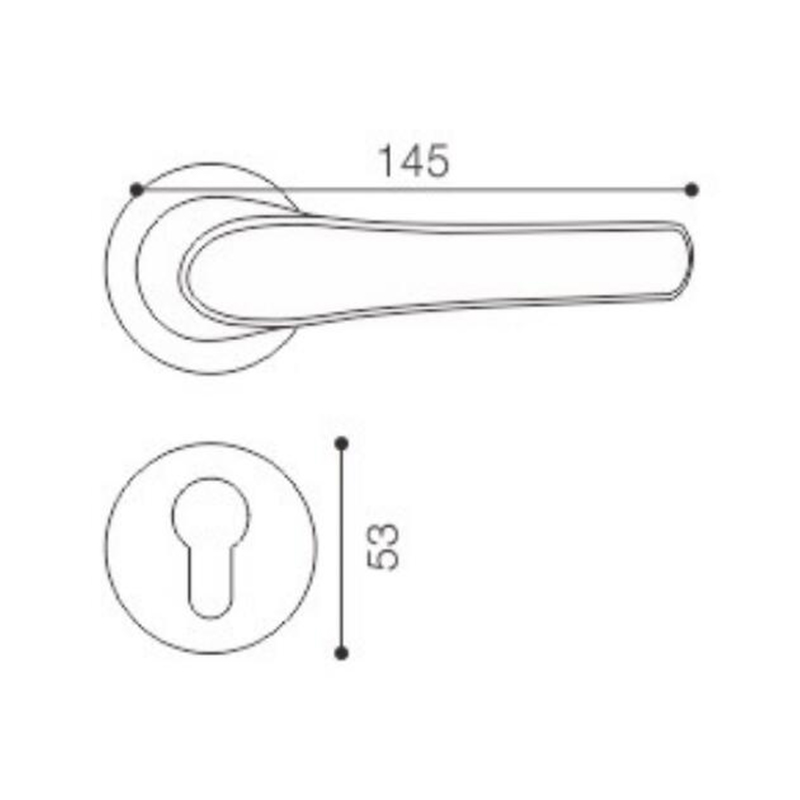
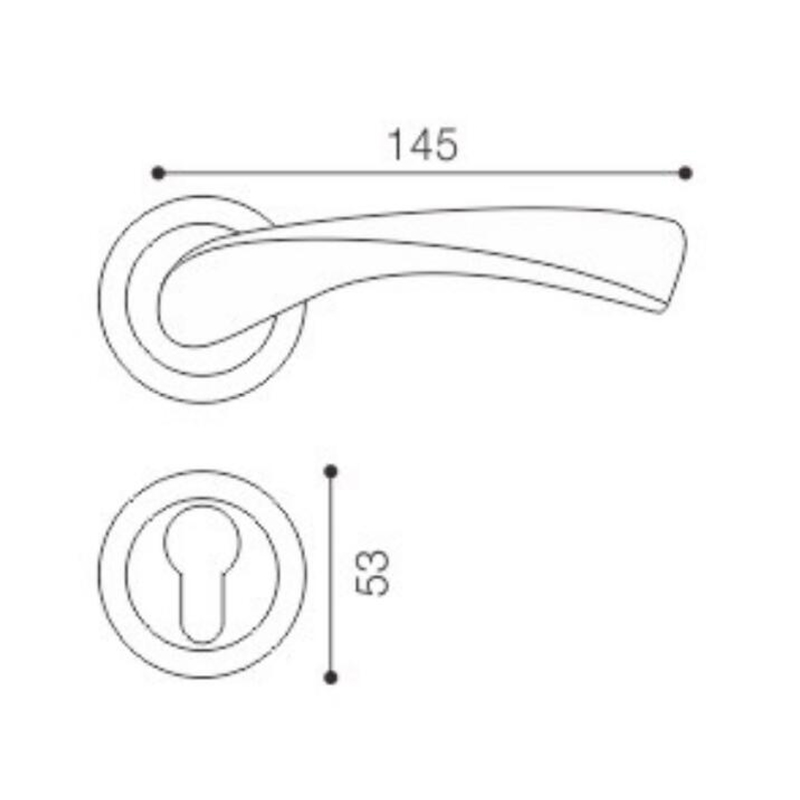
Zinc's castability allows designers to create ergonomic shapes that feel natural in the hand—curved grips, contoured thumb rests, and tapered profiles that reduce hand fatigue. Levers can be designed with specific grip angles that match the natural downward motion of the hand. The material's density adds weight that users associate with quality and gives the lever a solid, balanced feel during operation.
Cost-effectiveness of zinc alloy levers
Zinc is significantly less expensive than brass, bronze, or stainless steel. The casting process is efficient, with each mold producing thousands of identical parts. Zinc's lower melting point reduces energy costs in manufacturing. The material also takes finishes well, reducing the cost of achieving premium appearances like polished chrome or oil-rubbed bronze.
Table: ergonomic and cost factors of zinc alloy door levers
|
Factor
|
Zinc Alloy Advantage
|
How It Benefits the User or Buyer
|
|
Design flexibility
|
Intricate shapes cast easily
|
Ergonomic contours reduce hand fatigue
|
|
Weight
|
Dense, solid feel
|
Feels substantial and high-quality
|
|
Surface finish
|
Accepts plating and coatings well
|
Premium appearance at lower cost
|
|
Manufacturing cost
|
Lower melting point; fast casting
|
Cost-effective for large-scale projects
|
|
Tooling cost
|
Molds are less expensive than forging dies
|
Lower setup costs for custom designs
|
|
Durability
|
Good for residential and light commercial
|
Reliable performance without premium cost
|
FAQ
Q1: Is zinc alloy door hardware durable enough for commercial use?
Zinc alloy is suitable for light commercial applications with moderate traffic. For high-traffic commercial buildings, stainless steel or brass hardware is recommended for maximum durability. Many commercial projects use zinc alloy for interior doors and stainless steel for exterior doors.
Q2: How do zinc alloy door handles compare to solid brass?
Zinc alloy is less expensive and allows for more intricate designs than brass. Brass offers higher strength and better corrosion resistance. For residential applications, zinc alloy provides excellent performance at a significantly lower cost. For high-end residential or commercial projects, brass may be preferred for its prestige and durability.
Q3: Can zinc alloy door handles be refinished?
Refinishing zinc alloy door handles is possible but complex. The existing finish must be stripped, the surface polished, and a new finish applied—typically by a professional metal refinisher. It is generally more cost-effective to replace worn zinc alloy hardware than to refinish it.
Q4: How do I clean and maintain zinc alloy door handles?
Clean zinc alloy door handles with mild soap and water. Avoid abrasive cleaners, bleach, and acidic products—they can damage the finish. For electroplated finishes, gentle wiping with a soft cloth is sufficient. For powder-coated finishes, avoid scratching the surface.
Q5: Are zinc alloy door handles suitable for outdoor use?
Zinc alloy is not recommended for exterior applications unless it has a high-quality marine-grade finish or is protected from the elements. The material can corrode when exposed to salt air or harsh weather. For exterior doors, choose stainless steel, brass, or bronze hardware.

 English
 русский
 中文简体
中文简体 Español
 عربى
عربى